The best board games for an educational home or classroom depend on who is playing and whether the goal is learning, quick group fun or a focused challenge. These picks cover preschool skills, family-friendly strategy and traditional games, so you can match the play style and age range to your group.
Quick Top Products
The Happy Puzzle Company The Genius Star
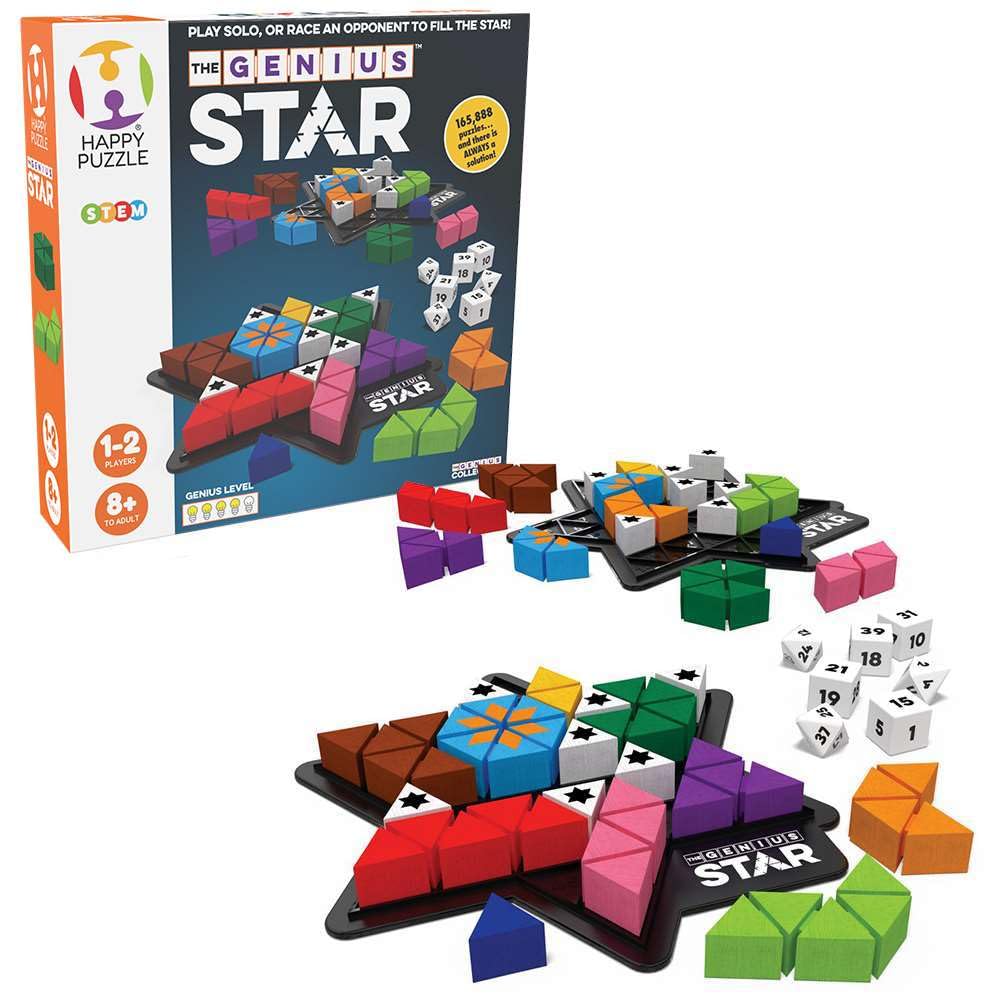
- Creates 165,888 possible game setups.
- Supports solo or head-to-head play.
- Includes two boards, 26 pieces and seven dice.
Best For: Puzzle fans ages 8 and up who want solo challenges or a two-player race.

Rich Dad CASHFLOW Board Game
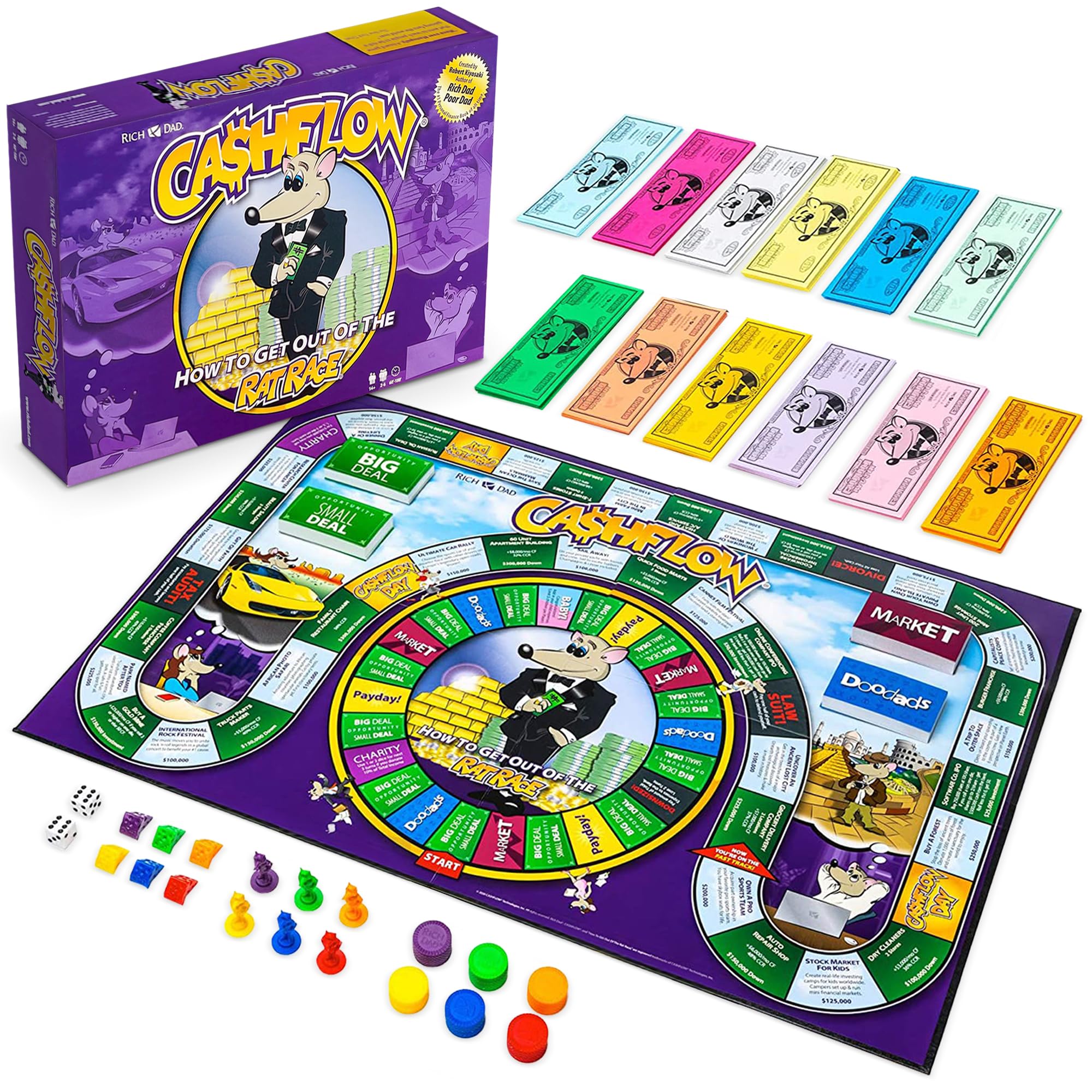
- Explores stocks, saving and investing through play.
- Supports a collaborative family experience.
- Made for up to six players ages 14 and up.
Best For: Families and teens ages 14 and up who want to discuss investing concepts together.
Hunt A Killer: Body On The Boardwalk

- Centers on an investigation at a seaside amusement park.
- Designed to finish in one sitting.
- Supports one to five players with a 45-to-60-minute session.
Best For: Ages 14 and up looking for a cooperative mystery for one to five players.
Educational Insights Pancake Pile-Up
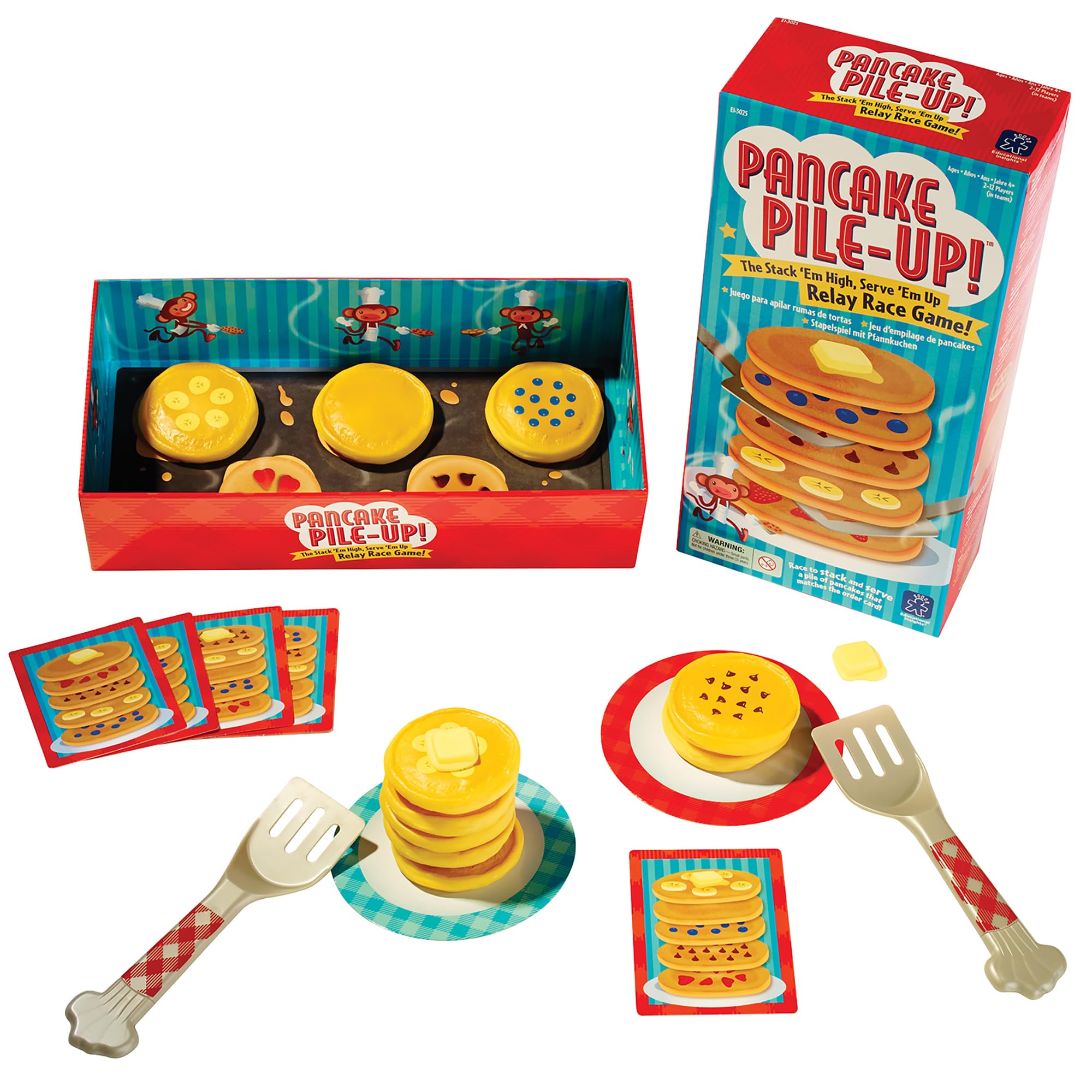
- Uses a relay race to practice matching and sequencing.
- Supports two to twelve players ages 4 and up.
- Includes spatulas, pancakes and order cards.
Best For: Preschool groups ages 4 and up who enjoy team races and movement.
hand2mind Numberblocks Race to Pattern Palace!
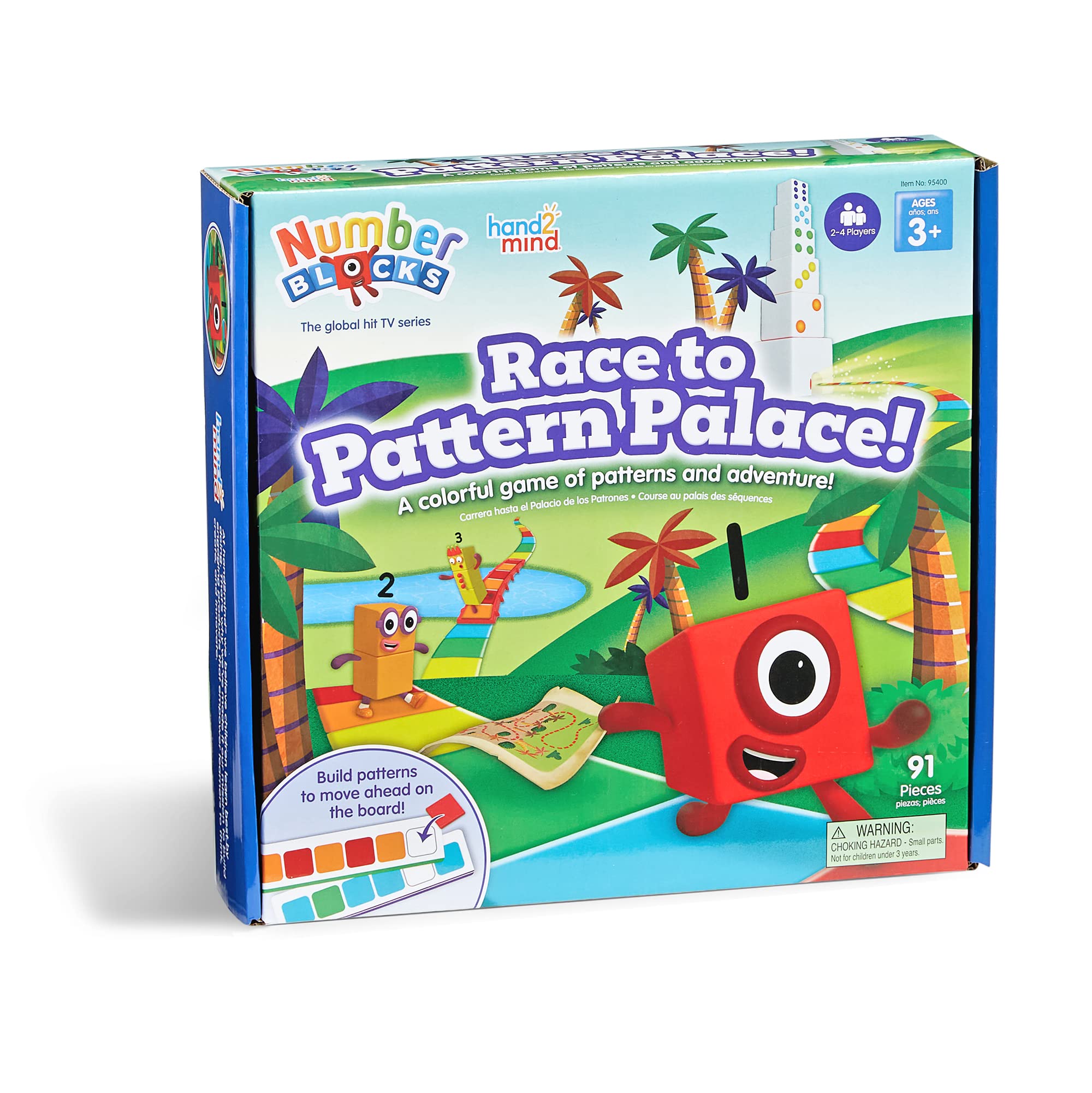
- Players copy, extend and create patterns.
- Includes two levels of cards for play.
- Supports two to four players.
Best For: Preschoolers ages 3 and up learning patterns, colors and counting with others.
Learning Resources Sum Swamp Game
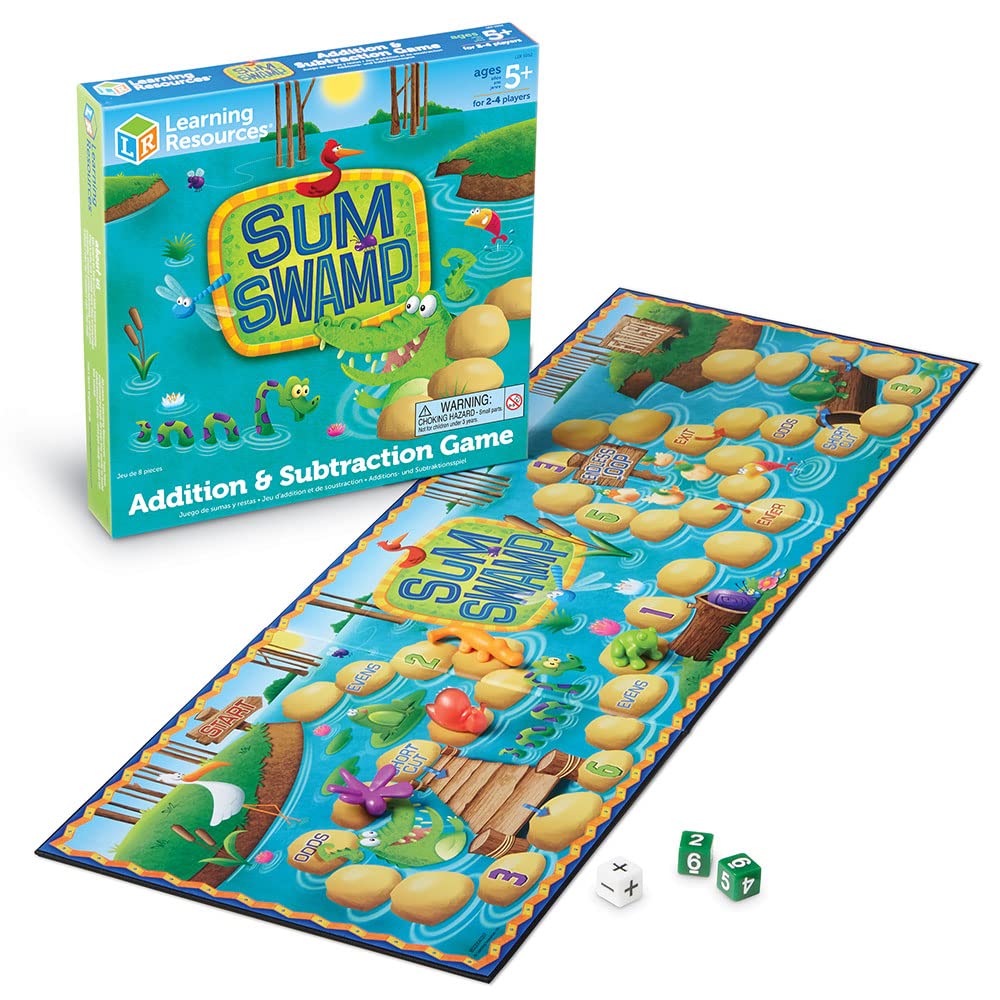
- Practices addition and subtraction during play.
- Also introduces even and odd numbers.
- Uses a swamp theme with colorful creature pieces.
Best For: Kindergarten and early elementary players practicing basic math through a quick game.
Educational Insights The Sneaky, Snacky Squirrel Game
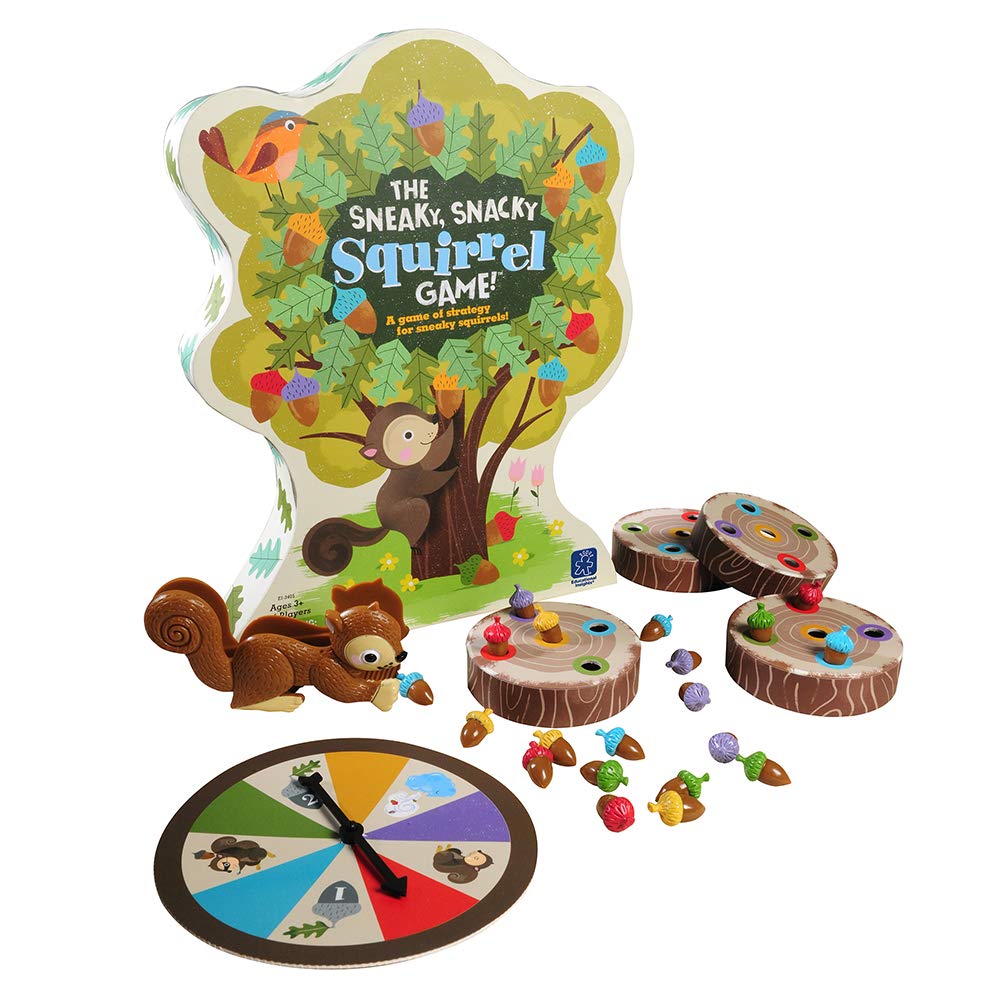
- Uses a squirrel squeezer to pick up matching acorns.
- Includes 20 acorns in five colors.
- Designed for two to four players ages 3 and up.
Best For: Children ages 3 and up practicing colors, matching and turn-taking.
Kollide by Relatable
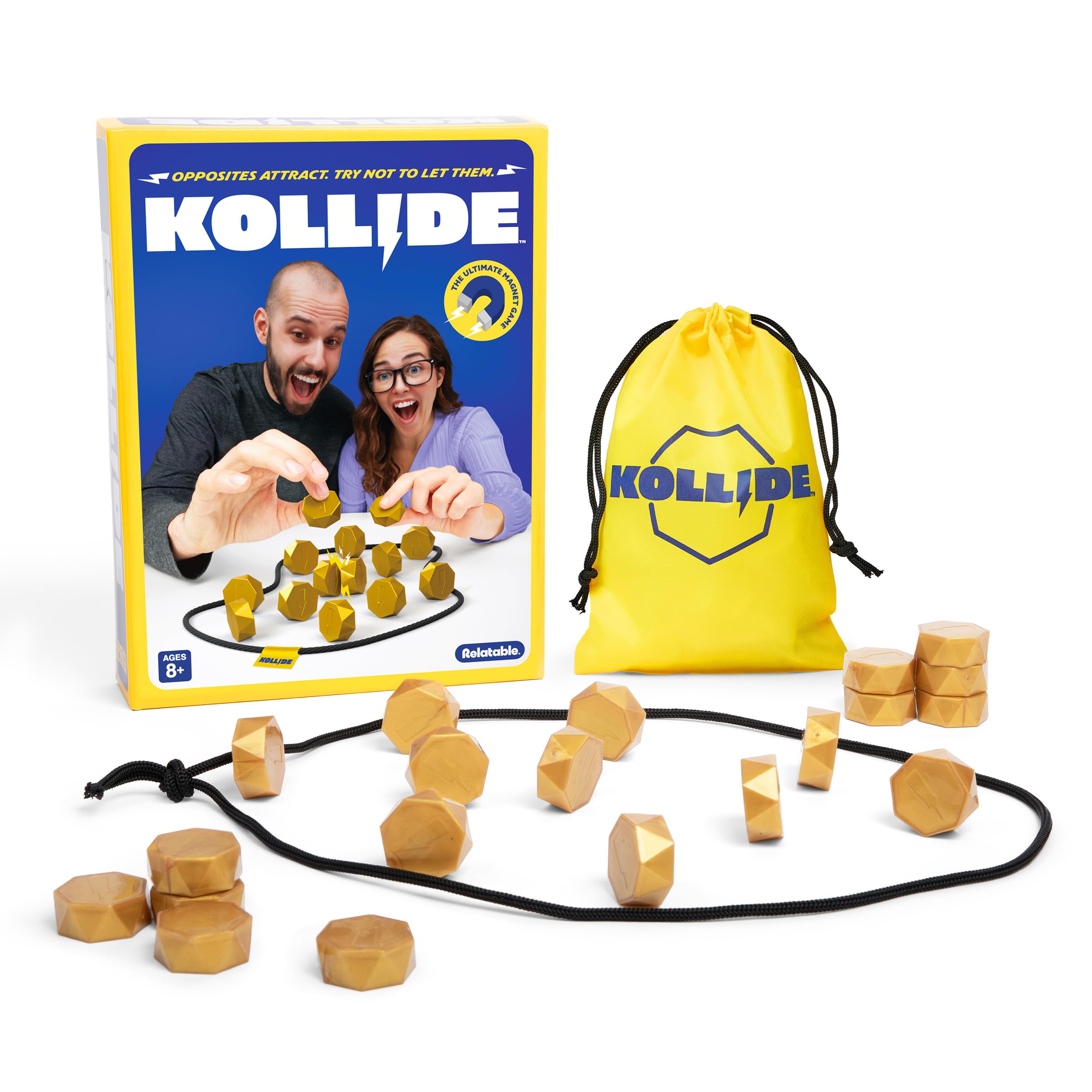
- Uses magnets and a rope for the core game.
- Includes a carrying bag for transport.
- Intended for ages 8 and up.
Best For: Families and friends ages 8 and up wanting a portable strategic game.
Solo or Two-Player Star Puzzles
The Happy Puzzle Company The Genius Star | Toy of The Year Award Winning Family Board Game | 165,888 Possible Puzzles | Filling in Colored Shapes | Blockers to Complete A Star | Golden Star Twist
The Genius Star centers play on filling a star-shaped board with Tetris-style pieces after rolling dice and placing blockers. It supports solo play and head-to-head competition, with 165,888 possible setups for repeat variety.
The set includes two boards, 26 pieces and seven dice, making it an option for families or classrooms that want a logic activity rather than a conventional board-game race. The focus is abstract spatial problem-solving, so it fits players who enjoy arranging shapes and working through a defined puzzle objective.
Best For: Puzzle fans ages 8 and up who want solo challenges or a two-player race.
| Pros | Cons |
|---|---|
|
|
Pick The Genius Star if your group values puzzle variety and wants the option to play alone or compete with one other person. Its blocker-and-shape format makes the activity a strong fit for spatial reasoning practice, while the two boards allow a head-to-head challenge.
It is not built for a larger group, so check your player count before choosing it for family gatherings. Ages 8 and up is the listed target range.
Collaborative Money and Investing Lessons
Rich Dad CASHFLOW Board Game, Educational Business & Finance Literacy Game, Ages 14 & Up - Financial Learning Games for Kids, Teens, Adults and Family
CASHFLOW is designed around learning about stocks, saving, real estate investing and business building through a collaborative family game. It supports up to six players and is recommended for ages 14 and up, making it a fit for older teens and adults who want a finance-focused activity.
The game requires only basic math, but extra paper is recommended, so plan for a little table space beyond the box. Its strongest appeal is the subject matter: groups looking for lighthearted play without a money-learning focus may prefer a different style.
Best For: Families and teens ages 14 and up who want to discuss investing concepts together.
| Pros | Cons |
|---|---|
|
|
Choose CASHFLOW when financial literacy is the point of the game night and the players are old enough for its intended audience. Its collaborative format can prompt conversation about investing and business, and the basic-math requirement keeps the stated entry point accessible.
The tradeoff is that it is a specialized learning game rather than a general party choice. Keep paper handy and check that the group is comfortable with a finance-centered game.
Single-Sitting Mystery Investigation
Hunt A Killer: Body On The Boardwalk, Catch the Amusement Park Killer, Interactive Unsolved Mysteries Game, Mystery Box for Game Night, Murder Mysteries Card, Puzzle & Board Games, For Ages 14 and up
Body On The Boardwalk is an interactive investigation about a seaside amusement park employee's death. Players work through clues to uncover the park's secrets, with a complete case designed to be solved in one sitting.
The listed format suits one to five players and gives the group a defined 45-to-60-minute session, making it appropriate for a date night, gathering or portable game session. It is a mystery experience rather than a traditional competitive board game, so choose it when your group wants to discuss evidence and solve a story together.
Best For: Ages 14 and up looking for a cooperative mystery for one to five players.
| Pros | Cons |
|---|---|
|
|
Pick this for a group that prefers cooperative deduction and a contained story over repeated rounds of a traditional board game. The one-sitting structure and stated player range make it easier to plan for a gathering or date night.
Its murder-investigation premise is central to the experience, so consider whether that theme fits everyone playing. The 45-to-60-minute duration is useful when you want a mystery with a defined time commitment.
Active Preschool Relay Play
Educational Insights Pancake Pile-Up - Relay Race Games for Kids, Gross Motor Preschool Games for 4 Year Olds, Birthday Party Activities, Matching and Patterning Toddler Game
Pancake Pile-Up brings a matching task into a team relay: players flip an order card, collect the pictured pancakes with a spatula and pass play to the next teammate. The set includes pancakes, butter, plates, spatulas, order cards and a griddle board that doubles as packaging.
It is designed for two to twelve players, so it can handle a larger preschool group than many tabletop games. Because the game involves racing between turns, it suits a room where children have space to move and take turns.
Best For: Preschool groups ages 4 and up who enjoy team races and movement.
| Pros | Cons |
|---|---|
|
|
Choose Pancake Pile-Up for preschool playdates, classrooms or family groups where children enjoy moving as they play. Its two-to-twelve-player range makes it especially adaptable to a larger group, and the relay gives children practice following an order card and passing the spatula along.
It needs room for the back-and-forth action, so it is less suited to a quiet, small tabletop session. The stated age range begins at four.
Numberblocks Pattern Practice
hand2mind Numberblocks Race to Pattern Palace! Board Game, Educational Board Games, Numbers for Toddlers, Math Toys for Kids 3-5, Preschool Learning Activities, Birthday Gifts for Kids
Race to Pattern Palace turns pattern copying and creation into a board-game journey with Numberblocks One through Four. Players use colored tiles to complete patterns shown on cards, and the game includes an introductory deck plus a more advanced challenge deck for two levels of play.
It supports two to four players and includes pawns, bridges, tiles and a dice popper. This is a useful choice for early math practice in a home or classroom.
Its learning focus is patterns and number-related skills, rather than open-ended competitive strategy.
Best For: Preschoolers ages 3 and up learning patterns, colors and counting with others.
| Pros | Cons |
|---|---|
|
|
This is a good fit when the goal is practicing early patterns through a guided game, especially with a preschool or kindergarten age group. The two card levels offer a way to move from introductory patterns to more advanced challenges, while the included pieces support up to four players.
It will not accommodate a large classroom group at one board, so consider whether children will take turns or play in smaller groups. Check that pattern recognition is the skill you want to emphasize.
Addition and Subtraction Practice
Learning Resources Sum Swamp Game Addition & Subtraction Board Game - Educational Homeschool, Elementary Math Classroom Must Haves, Kindergarten, Gifts for Kids, Numbers for Boys and Girls
Sum Swamp makes addition and subtraction the core of a swamp-themed board-game adventure. It also introduces even and odd numbers, giving young players several early math concepts to practice in a playful format.
The record highlights fast-paced sessions and a sturdy board with colorful creature pieces. This is an education-first option for families, homeschoolers or classroom use when practice should feel more like a game than a worksheet.
The supplied details do not give a player count or specific session length, so check those practical details if you need to plan a group activity.
Best For: Kindergarten and early elementary players practicing basic math through a quick game.
| Pros | Cons |
|---|---|
|
|
Choose Sum Swamp when addition, subtraction and number concepts are the main reason for bringing a game to the table. Its kindergarten and first-grade framing makes it a focused early math option, and the themed board provides a game setting for that practice.
The product details do not give a player count or session length, so confirm those before planning a classroom rotation or time-limited activity. It is less suitable if you want a game centered on open-ended social strategy.
Color Matching for Younger Players
Educational Insights The Sneaky, Snacky Squirrel Game - Toddler Board Games for 3 Year Olds, Fine Motor Skills Toys for Toddlers, Color Matching Preschool Games, Tweezer Tool Fine Motor Game
The Sneaky, Snacky Squirrel Game asks children to spin, pick up a matching acorn with a squirrel-shaped squeezer and collect pieces on a tree-shaped board. It supports two to four players ages 3 and up, with 20 acorns in five colors and four logs included.
Alongside color matching, the game is intended to encourage strategic thinking, hand-eye coordination and taking turns. The built-in board and box design supports easier setup and cleanup.
This is a preschool learning game with simple tactile play, rather than a long-form strategy experience.
Best For: Children ages 3 and up practicing colors, matching and turn-taking.
| Pros | Cons |
|---|---|
|
|
Pick this for a preschool table where children are learning colors and taking turns with a tactile activity. The squeezer gives the matching task a hands-on element, while the two-to-four-player setup works for siblings or a small group.
It is geared toward early learning, so older players looking for layered strategy may want a different choice. The tree-shaped board doubles as the box for setup and cleanup.
Compact Magnetic Group Challenge
Kollide by Relatable - Influencer Choice Award 2025 Winner, Exciting Magnetic Game for Family Game Night, Fun Games for Kids - Includes 1 Rope, 20 Magnets, and Instructions
Kollide is a magnetic strategy game built around placing 20 magnets within a rope boundary. The set includes a carrying bag and instructions, which makes it practical to consider for travel, camping or a road trip.
Its listing places it among family game-night and two-player strategy options, though the supplied details do not specify an exact player count. It is intended for ages 8 and up and describes building chess knowledge through play.
This is a good candidate for groups who want a tactile, compact challenge rather than a large board with many components.
Best For: Families and friends ages 8 and up wanting a portable strategic game.
| Pros | Cons |
|---|---|
|
|
Kollide suits families who want a portable, hands-on strategy game with few component types. The rope and magnets make the central interaction easy to understand, while the carrying bag supports taking it along.
The exact player count is not specified, so check that before buying for a particular group size. It is aimed at ages 8 and up, making it a better fit for older children and mixed-age family play than a toddler learning game.
How to Choose Board Games
How We Picked the Best Board Games
This roundup covers distinct ways to use board games in an educational home or classroom: guided early math, matching and motor practice for preschoolers, collaborative finance learning, spatial puzzles and traditional social play. The selected games offer age and player information where available, plus a clear activity to match to a group's goal.
Age fit matters because an activity designed for preschoolers will feel different from a puzzle aimed at older children or a financial game intended for teens and adults. Group size matters too: some picks support a larger team relay, while others are expressly for two players.
The useful choice depends on the players and setting, not a single universal style.
Comparing Board Games by Play Style
For a focused two-player challenge, Kanoodle Head-to-Head and The Genius Star put spatial reasoning at the center. Kanoodle uses 80 card puzzles in a race format, while The Genius Star offers solo play as well as a head-to-head option and a large range of possible setups.
CASHFLOW takes a different path: it uses collaborative play to explore finance topics with an older group.
For young learners, compare the skill being practiced. Sum Swamp centers addition and subtraction, while Numberblocks Race to Pattern Palace focuses on patterns, colors and counting.
Sneaky, Snacky Squirrel adds a pickup tool to color matching; Raccoon Rumpus adds a memory mode; Pancake Pile-Up makes matching a relay activity. Body On The Boardwalk is the story-led choice for older players who want a cooperative mystery.
| Product | Standout features | Best for |
|---|---|---|
| The Happy Puzzle Company The Genius StarCheck Price |
| Puzzle fans ages 8 and up who want solo challenges or a two-player race. |
| Rich Dad CASHFLOW Board GameCheck Price |
| Families and teens ages 14 and up who want to discuss investing concepts together. |
| Hunt A Killer: Body On The BoardwalkCheck Price |
| Ages 14 and up looking for a cooperative mystery for one to five players. |
| Educational Insights Pancake Pile-UpCheck Price |
| Preschool groups ages 4 and up who enjoy team races and movement. |
| hand2mind Numberblocks Race to Pattern Palace!Check Price |
| Preschoolers ages 3 and up learning patterns, colors and counting with others. |
| Learning Resources Sum Swamp GameCheck Price |
| Kindergarten and early elementary players practicing basic math through a quick game. |
| Educational Insights The Sneaky, Snacky Squirrel GameCheck Price |
| Children ages 3 and up practicing colors, matching and turn-taking. |
| Kollide by RelatableCheck Price |
| Families and friends ages 8 and up wanting a portable strategic game. |
Choosing a Board Game for Age and Group Size
Start with the youngest player's age and the number of people who will usually play. The preschool selections range from small groups to Pancake Pile-Up's two-to-twelve-player format, which is useful when several children need to take part.
For a two-player puzzle session, Kanoodle Head-to-Head gives each player pieces and a challenge to solve.
Check session needs alongside age. Body On The Boardwalk is designed for a single 45-to-60-minute investigation, while Sum Swamp is described as quick-playing but does not provide a specific duration or player count in the supplied details.
If you need a classroom game for a planned rotation, confirm those practical details before choosing.
Educational Board Games for Home and Classroom
Choose a game by the skill you want players to practice. Sum Swamp emphasizes addition, subtraction and even or odd numbers.
Numberblocks Race to Pattern Palace works with patterns, color recognition and counting. CASHFLOW is for groups interested in stocks, saving, real estate investing and business building, with an age recommendation of 14 and up.
For early childhood, a concrete object can make the task easier to follow: Sneaky, Snacky Squirrel uses a squeezer to collect matching acorns, while Pancake Pile-Up asks teams to match items on order cards as they relay. These activities may suit short guided sessions or family play.
Check the stated age range and group size for the particular game you are considering.
Who Should Buy Which Board Game?
Choose Kanoodle Head-to-Head for two players who want a screen-free puzzle race, or The Genius Star if solo play and a head-to-head option both matter. Choose CASHFLOW for older teens and adults looking for a collaborative finance-learning game, and Body On The Boardwalk for a contained mystery investigation.
For preschool learning, match the game to the activity: Sum Swamp for early arithmetic, Numberblocks for pattern practice, Sneaky, Snacky Squirrel for color matching with a tool, Raccoon Rumpus for matching and memory modes, and Pancake Pile-Up for a larger group that enjoys relay play.