The best digital microscopes for kids make small details easier to explore, whether a child wants a handheld screen or a simple microscope for prepared slides. Compare screen viewing, magnification, age fit, and included specimens to choose a setup that suits the way your child likes to investigate.
Quick Top Products
TOMLOV P10 Microscope
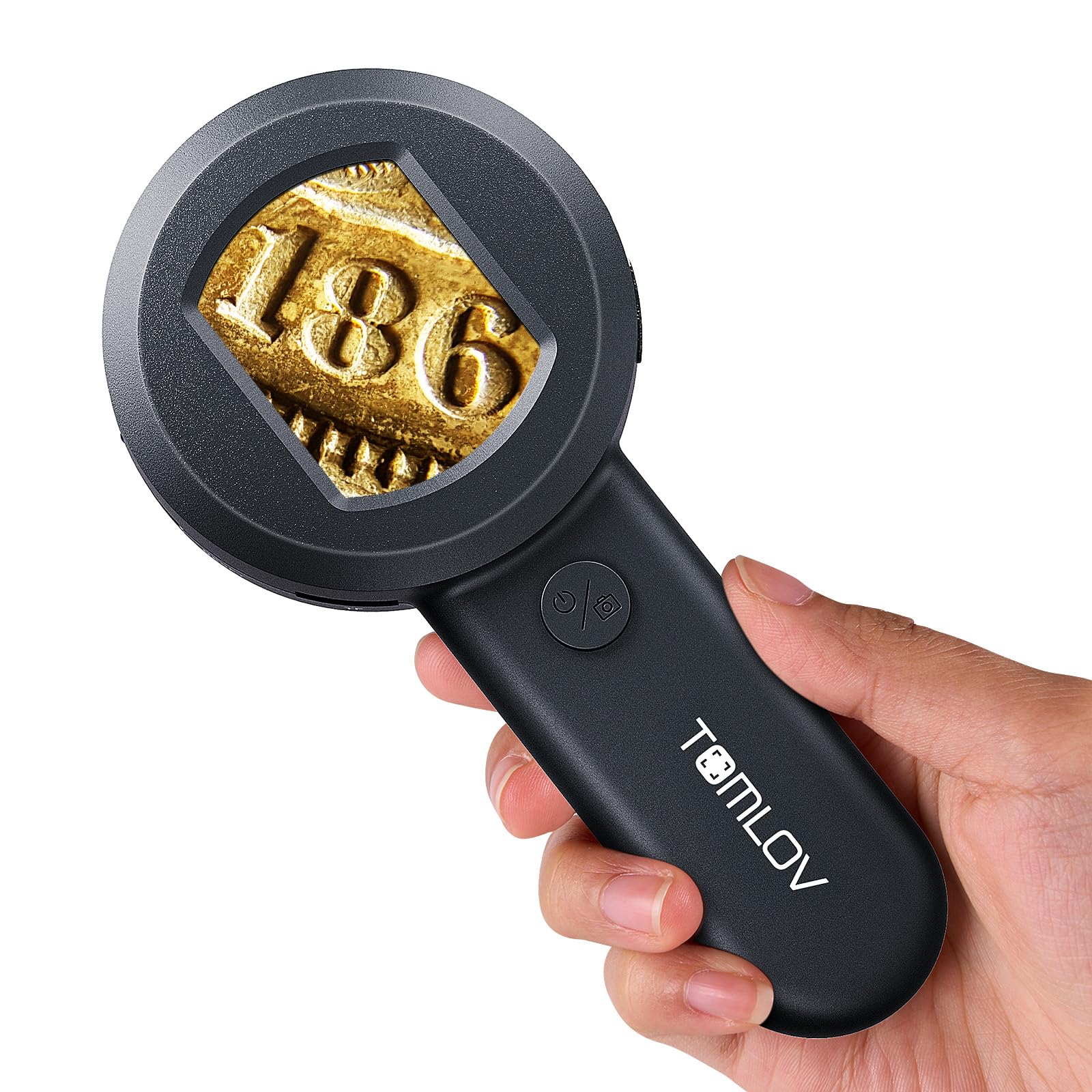
- A 2-inch LCD displays close-up images directly on the handheld viewer.
- Fixed 100x magnification and 4x zoom support close inspection.
- Built-in storage holds up to 300 photos.
Best For: Kids and adults who want a portable screen-based viewer for coins, leaves, and other small objects.

GeoSafari MicroPro 95-Piece LED Microscope Set
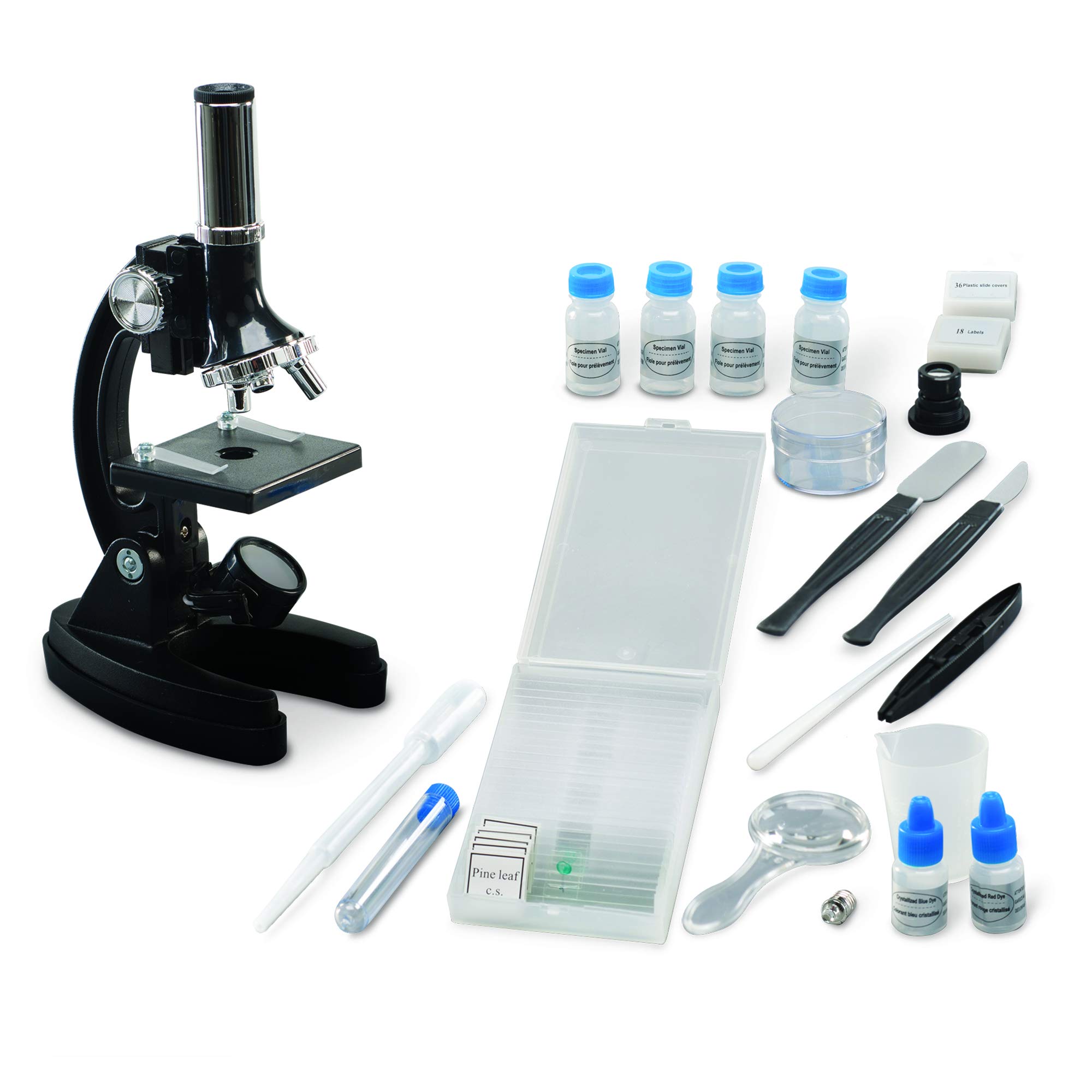
- Magnification ranges from 50x to 600x.
- The kit includes prepared and blank slides for examining and preparing specimens.
- An activity guide supports specimen collection and observation.
Best For: Ages 8–12 learners who want to prepare and examine their own specimens at home or in class.
Learning Resources Elite Microscope
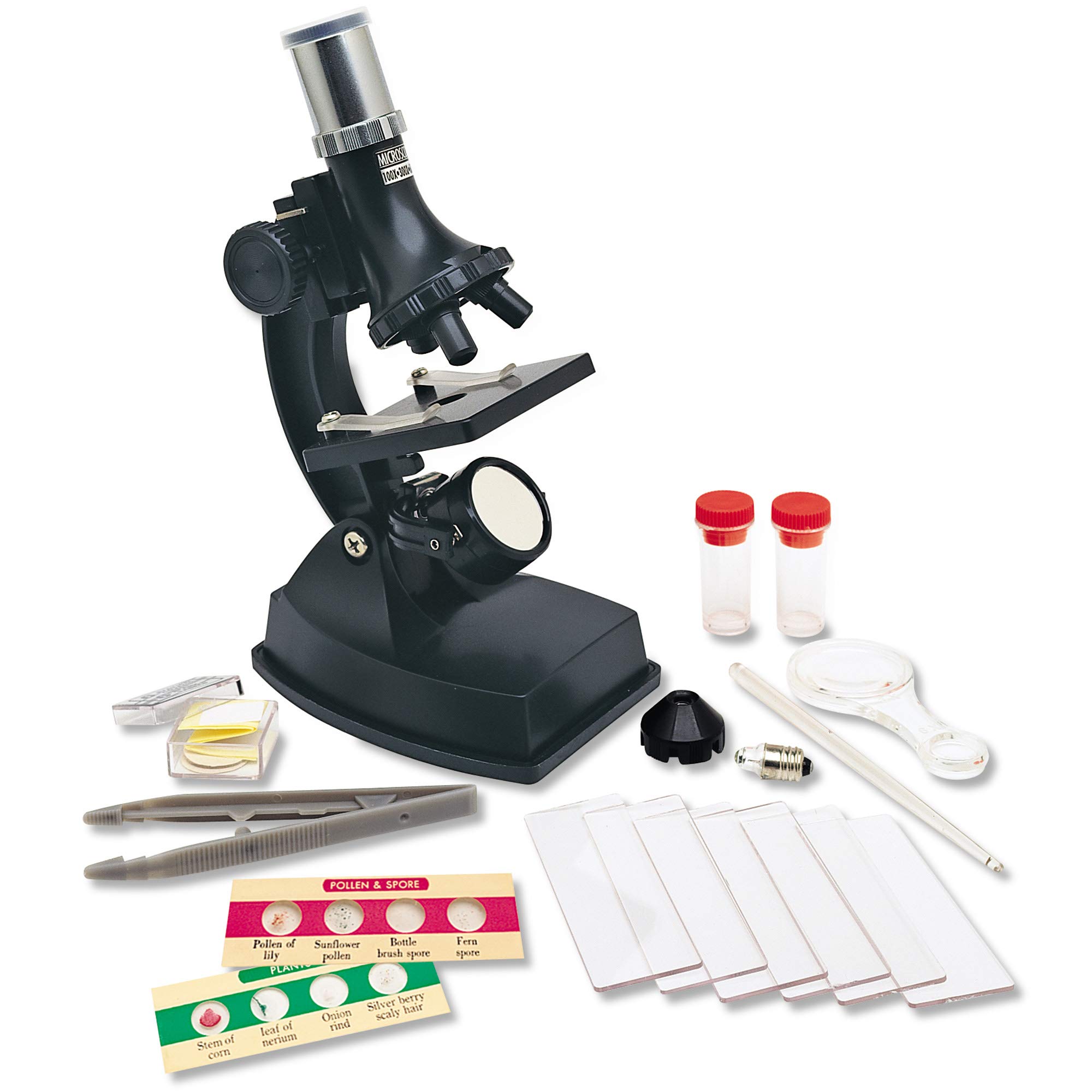
- Three settings offer 100x, 300x, and 600x magnification.
- The 21-piece set includes slides, vials, and tweezers.
- A projector mode shares findings on a nearby white surface.
Best For: Young science learners who want adjustable microscope settings and a way to share observations on a nearby surface.
GeoSafari Stereoscope
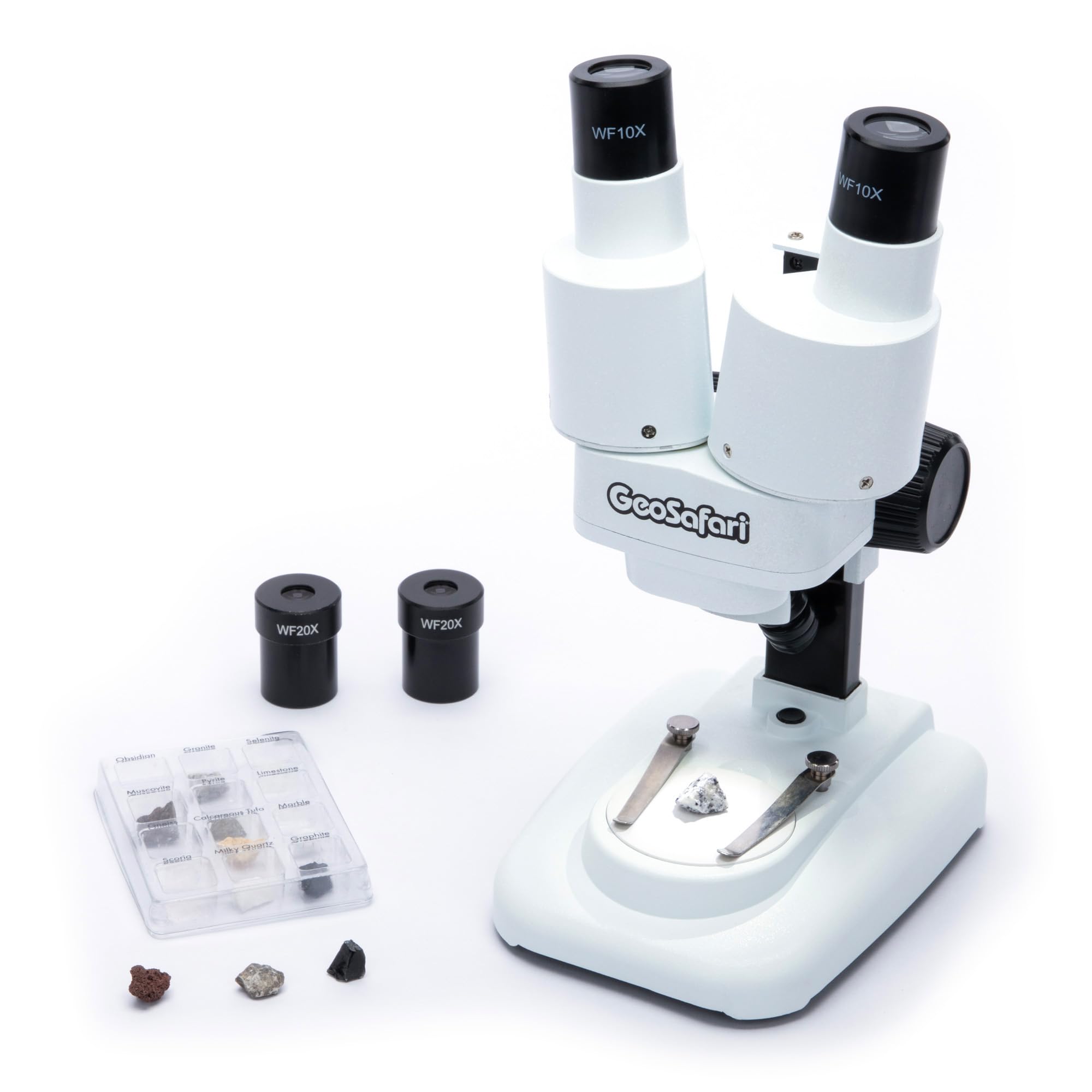
- The binocular stereoscope offers 10x and 20x magnification.
- Twelve rock samples are included for observation.
- A top light, focus knob, and stage clips support specimen viewing.
Best For: Ages 8–12 learners exploring rocks, minerals, and other three-dimensional objects.
GeoSafari My First Microscope
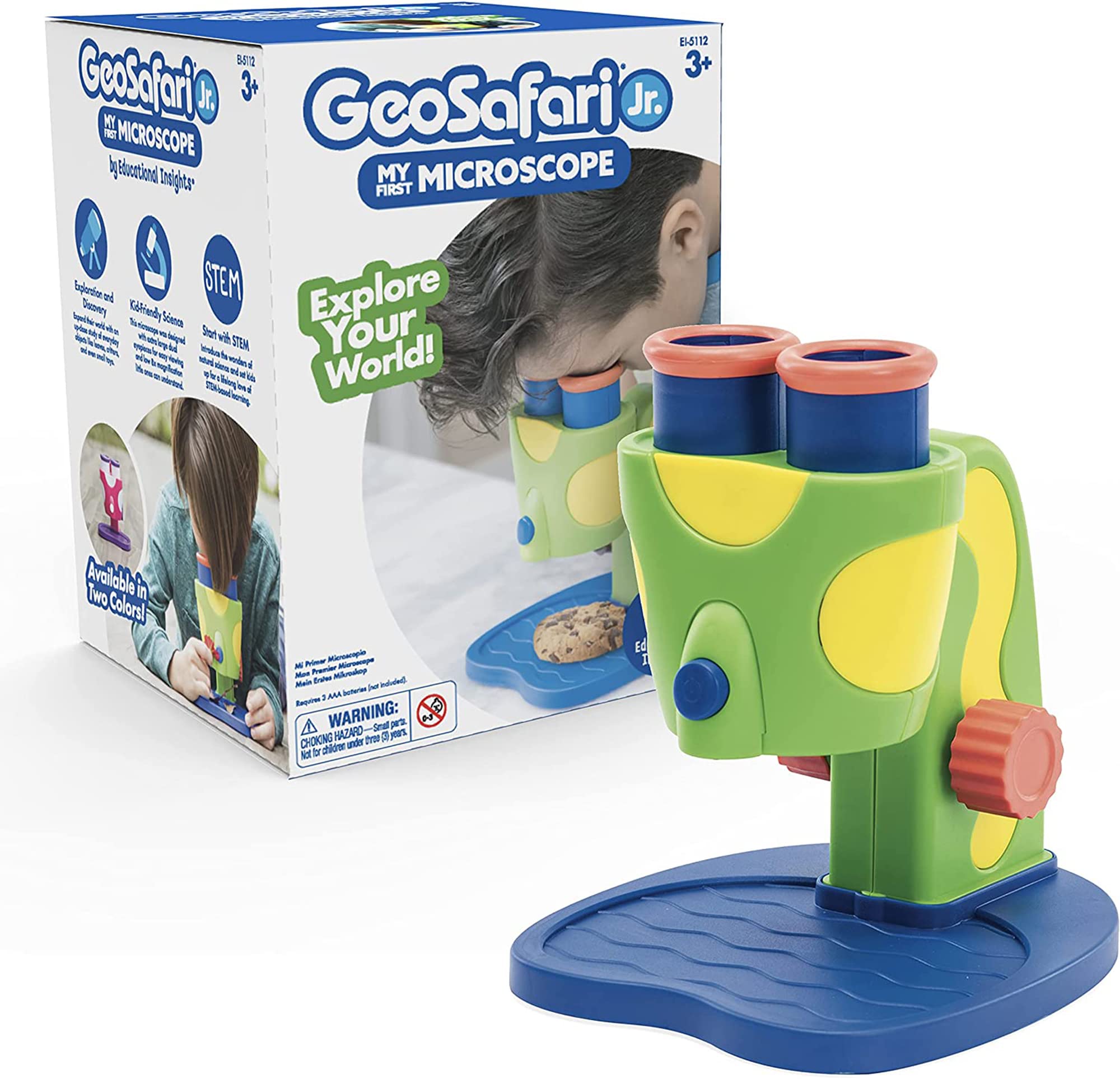
- Two large eyepieces let children view without closing one eye.
- The microscope provides 2.5x–8x magnification for a wide field of view.
- The kit includes 12 prepared slides with storage.
Best For: Children as young as 3 who are beginning science exploration with straightforward viewing and prepared slides.
Handheld Screen for Field Exploration
TOMLOV P10 Microscope for Adults Kids, Handheld Coin Magnifier with Light for Error Coins, Portable Trichome Magnifying Glass 100X, Collector Pocket Jewelers Loupe, Digital Microscope with 2" Screen
The TOMLOV P10 puts a 2-inch LCD screen and fixed 100x magnification in a handheld form, so children can view details without peering through an eyepiece. Its built-in memory holds up to 300 photos, and a 16MP camera supports image capture.
White and UV lights offer two illumination options, while a USB connection lets the viewer show images on a computer. The 3.9-ounce design suits quick explorations at home or outdoors.
Its short, up-to-50-minute use time makes it better for focused sessions than extended field activities.
Best For: Kids and adults who want a portable screen-based viewer for coins, leaves, and other small objects.
| Pros | Cons |
|---|---|
|
|
Choose this model if a child is most engaged by viewing through a screen and saving images. It differs from the tabletop sets by being handheld, lightweight, and useful for coins, leaves, and other objects rather than primarily prepared slides.
Check what is included for computer connection and how the fixed-focus viewing distance fits the objects your child wants to examine. Its specified use time favors short discoveries over long sessions.
Slide-Making Kit for Older Beginners
Educational Insights GeoSafari MicroPro 95-Piece LED Microscope Set - High Powered Microscope for Kids 8-12, Scientist Kit for Kids with Prepared Slides and Blank Slides, Home or Classroom Science Set
The GeoSafari MicroPro is a traditional microscope kit for children ready to work with slides and specimen-preparation tools. It offers 50x–600x magnification and includes both prepared and blank slides, plus tools and a storage case for accessories.
An activity guide helps children collect specimens and examine them, giving this set a more involved role in home or classroom science than an introductory viewer. Its LED illumination runs on two AA batteries, which are not included.
For digital image sharing, check whether the features you need are included before buying.
Best For: Ages 8–12 learners who want to prepare and examine their own specimens at home or in class.
| Pros | Cons |
|---|---|
|
|
Pick the MicroPro when slide preparation is part of the learning goal and the child is ready for a more involved kit. Compared with a screen-based handheld microscope, it trades direct digital viewing for prepared and blank slides, specimen tools, and a stated 50x–600x range.
Check that you have two AA batteries and that the child is comfortable following a guided specimen activity. It is a fit for structured exploration, not a pocket viewer.
Multi-Level Magnification and Projected Viewing
Learning Resources Elite Microscope, Microscope for Kids, Science Toys for Kids, 21 Pieces
The Learning Resources Elite combines a 21-piece microscope set with three magnification levels: 100x, 300x, and 600x. Its slides, vials, and tweezers support specimen exploration, while a projector mode can display findings on a nearby white surface when the room is darkened and the eyepiece is removed.
That sharing option offers a different experience from a digital screen, but it does not provide the saved-photo or computer-viewing features of a camera microscope. The supplied details do not specify an age range or power requirements, so check those points when choosing it for a child.
Best For: Young science learners who want adjustable microscope settings and a way to share observations on a nearby surface.
| Pros | Cons |
|---|---|
|
|
Choose the Elite if varied magnification and occasional group viewing matter more than digital image capture. Its projection mode can make an observation visible to others, but it requires a nearby white surface and a dark room.
The Elite centers on a multi-piece specimen kit. Confirm age suitability and power needs before buying, since those details are not provided.
Binocular Viewer for 3D Specimens
Educational Insights GeoSafari Stereoscope - Beginner Stereo Microscope for Kids 8-12, Electronic Stereoscope Viewer with Specimens, Kids Microscope Kit for Scientific Discovery, Student Microscopes
The GeoSafari Stereoscope is a battery-powered binocular viewer designed to bring 3D objects into magnified focus. Its 10x and 20x settings are lower than the high-power ranges of slide microscopes, making its stated purpose distinct: examining objects such as rocks and minerals rather than preparing thin specimens for high magnification.
The set includes 12 rock samples, a stage with clips, a focus knob, and a top light. It is designed for home, classroom, and outdoor learning, though the exact included sample variety beyond rocks is not specified.
Best For: Ages 8–12 learners exploring rocks, minerals, and other three-dimensional objects.
| Pros | Cons |
|---|---|
|
|
This is the clearest fit when children want to inspect rocks and other solid objects in 3D. Its 10x and 20x settings serve a different purpose from slide-focused microscopes with higher magnification, so choose it for object exploration rather than tiny prepared samples.
The included rock specimens help start the activity, and the top light supports viewing. Check whether the child's intended subjects are three-dimensional objects, and have two AA batteries ready.
Simplest First Microscope with Prepared Slides
Educational Insights GeoSafari My First Microscope
GeoSafari My First Microscope focuses on accessibility for very young learners. Its two large eyepieces mean children do not need to close one eye, and a kid-sized focusing knob, overhead LED, non-skid feet, and sample tray keep the setup straightforward.
The 2.5x–8x range provides a wide field of view, and the kit includes 12 prepared slides with storage. This is an introductory science toy rather than a high-magnification instrument.
It needs three AAA batteries, which are not included, so plan for those before the first exploration.
Best For: Children as young as 3 who are beginning science exploration with straightforward viewing and prepared slides.
| Pros | Cons |
|---|---|
|
|
Pick My First Microscope for a very young child who benefits from large eyepieces, simple focusing, and prepared slides. Its low magnification and wide field of view make it a different kind of starting point from the higher-power slide kits or digital screen viewers.
It is not the choice for detailed high-magnification work. Check that the child wants a simple optical introduction and have three AAA batteries available.
How to Choose Digital Microscopes For Kids
How We Picked Digital Microscopes for Kids
The candidates include one clearly screen-based handheld digital microscope alongside several optical microscopes and microscope kits. We prioritized products that directly match digital viewing, then included a small number of optical alternatives because they offer distinct, age-relevant ways to explore specimens.
The selected options cover a handheld LCD and camera, guided slide work, adjustable magnification with projection, binocular 3D viewing, and a very simple first microscope. We excluded options that duplicated those beginner roles or added a telescope bundle without improving the digital fit.
A child's likely subject and comfort with setup matter as much as the word microscope on a package. A screen viewer suits quick close-ups of coins, leaves, and similar objects.
Prepared-slide sets reduce specimen preparation, while blank slides and tools ask for more active participation. A stereoscope is intended for solid 3D subjects rather than high-power slide study.
Comparing Digital and Screen-Based Microscope Options
The TOMLOV P10 is the only selected model with a built-in LCD, camera, photo storage, and computer connection. Its fixed 100x view and handheld form are aimed at close inspection without an eyepiece.
Check whether the included connection accessories meet your needs, and account for its up-to-50-minute use time.
The other picks are optical rather than digital. The MicroPro supports prepared and blank slides at 50x–600x, while the Elite offers 100x, 300x, and 600x plus a projector mode.
The stereoscope trades high magnification for binocular viewing of three-dimensional objects. My First Microscope is a low-magnification introduction for younger children.
This distinction matters: a higher optical magnification range does not provide digital capture or display.
| Product | Standout features | Best for |
|---|---|---|
| TOMLOV P10 MicroscopeCheck Price |
| Kids and adults who want a portable screen-based viewer for coins, leaves, and other small objects. |
| GeoSafari MicroPro 95-Piece LED Microscope SetCheck Price |
| Ages 8–12 learners who want to prepare and examine their own specimens at home or in class. |
| Learning Resources Elite MicroscopeCheck Price |
| Young science learners who want adjustable microscope settings and a way to share observations on a nearby surface. |
| GeoSafari StereoscopeCheck Price |
| Ages 8–12 learners exploring rocks, minerals, and other three-dimensional objects. |
| GeoSafari My First MicroscopeCheck Price |
| Children as young as 3 who are beginning science exploration with straightforward viewing and prepared slides. |
Choosing a Microscope for Slides, Objects, or Images
For prepared slides, compare what comes in the set and whether the child can use the focus controls comfortably. My First Microscope includes 12 prepared slides and accessible eyepieces, while the MicroPro adds blank slides and tools for making samples.
The Elite includes slides, vials, and tweezers, but its projector feature requires a darkened room and a nearby white surface.
For coins, leaves, and other small solid objects, a handheld digital microscope or stereoscope may be a more natural fit. The TOMLOV screen can show a live view and save photos; the stereoscope is designed for binocular 3D examination and includes rock samples.
These approaches serve different purposes, so choose based on whether image sharing or tactile object study matters more.
Checking Setup and Age Fit
Power and setup differ. The TOMLOV supports up to 50 minutes of use, while the named optical kits that specify power require batteries not included.
The MicroPro and stereoscope are aimed at ages 8–12; My First Microscope is presented for children as young as 3. For the Elite, age range and power requirements are not specified, so verify them before purchase.
Consider where exploration will happen. A handheld screen is convenient for quick viewing in different locations.
Slide kits need a stable place to arrange specimens and accessories. Projected viewing depends on a dark room and a suitable surface, while the stereoscope supports home, classroom, and outdoor learning.
Check included cables, storage, and specimen materials if those details affect how the child will use the microscope.
Who Should Buy Which Kids’ Microscope?
Choose the TOMLOV P10 if screen viewing, saved images, and portable close-ups are central. Choose the GeoSafari MicroPro for a learner ready to collect specimens and prepare slides, or the Elite if adjustable optical magnification and occasional projection suit the activity.
The GeoSafari Stereoscope fits children focused on rocks and other solid 3D objects.
For a younger child who needs a simple introduction with prepared slides, My First Microscope is the most age-targeted option in this selection. Before buying any model, match its viewing method to the child's interests and confirm the practical details: batteries, included specimens, and whether screen connection or image storage is required.