Science kits for kids offer hands-on activities in mixing, building, digging, and observing nature. Choose by age, the science topic that holds their attention, and how much adult help or repeat use you want from the activity.
Quick Top Products
Learning Resources Primary Science Deluxe Lab Set
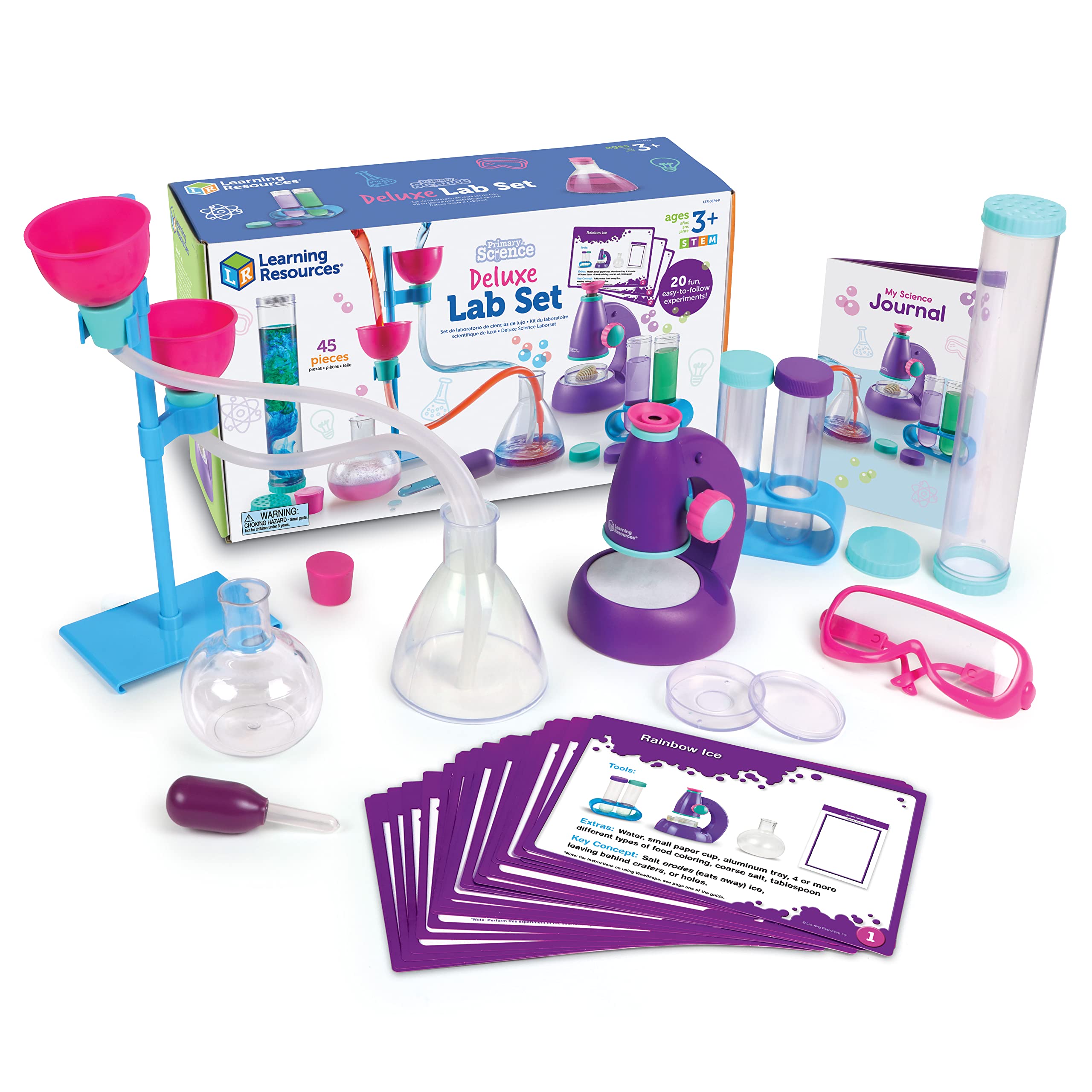
- Includes tools such as a microscope, test tubes, and safety glasses for hands-on science activities.
- Comes with 20 step-by-step experiments using household ingredients.
- Tools include a microscope, test tubes, and safety glasses.
Best For: Young children exploring simple science activities with hands-on tools.

hand2mind Magnetic Science Kit
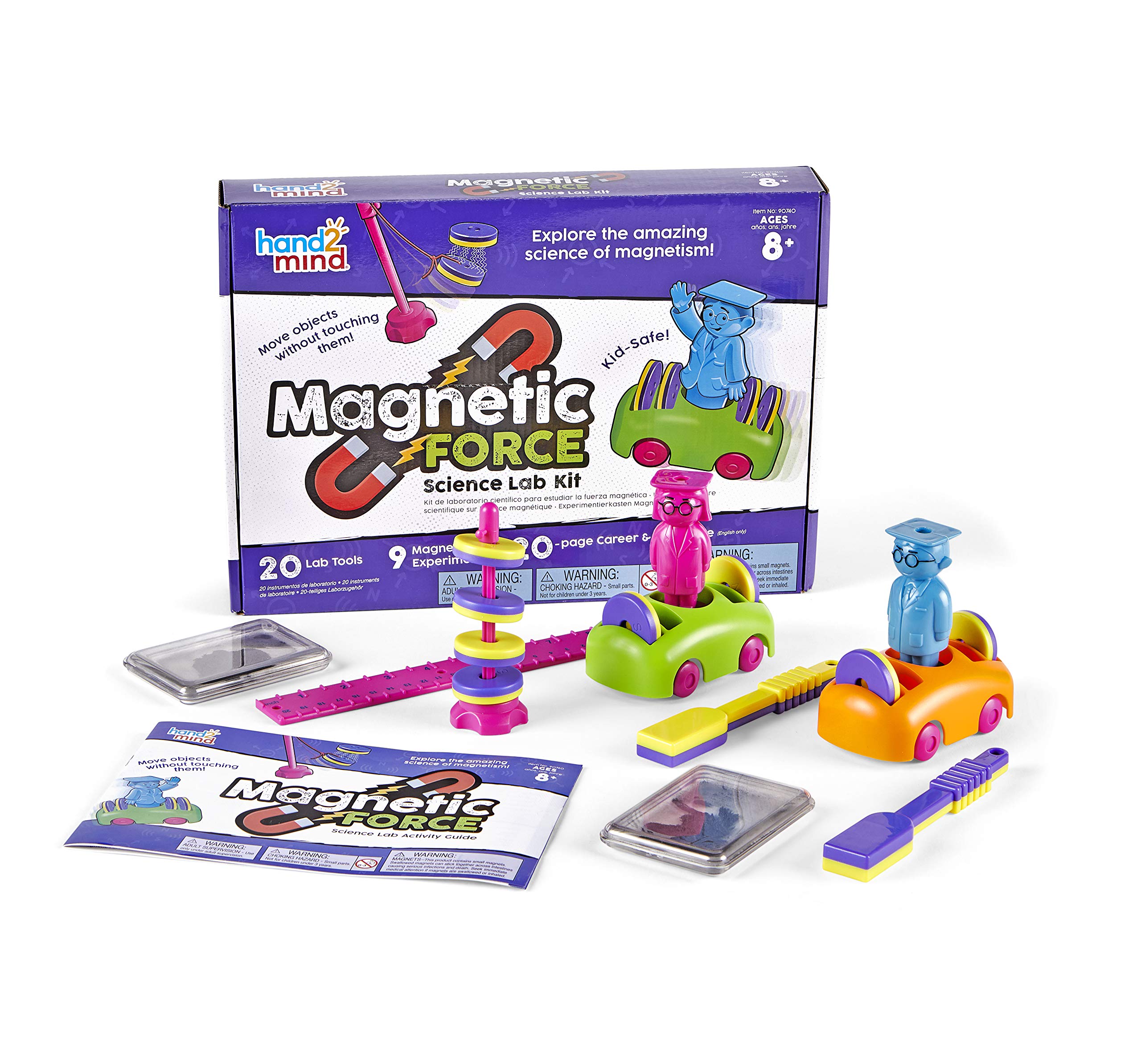
- Provides nine experiments and 20 lab tools.
- Activities include magnetic levitation and making a compass.
- Includes a 20-page fact-filled guide.
Best For: Ages 8–12 kids curious about magnetic force, levitation, and compasses.
Dan&Darci Rock Collection for Kids
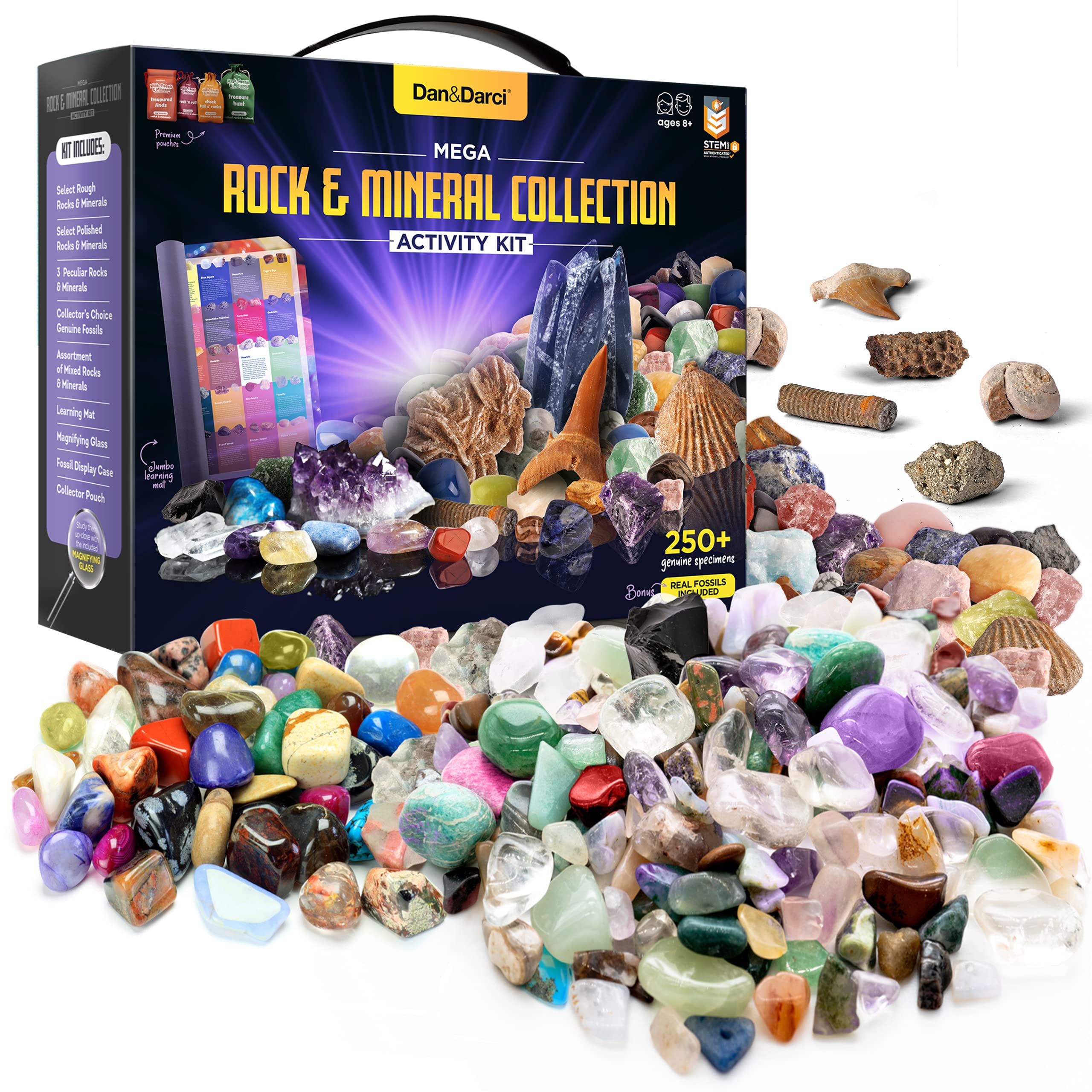
- Includes more than 250 rocks, fossils, minerals, and gems.
- Comes with a learning mat for comparing specimens.
- Includes a magnifying glass and fossil display case.
Best For: Children ages 6 and up who enjoy sorting and identifying rocks, minerals, and fossils.
Learning Resources Super Magnet Lab Kit
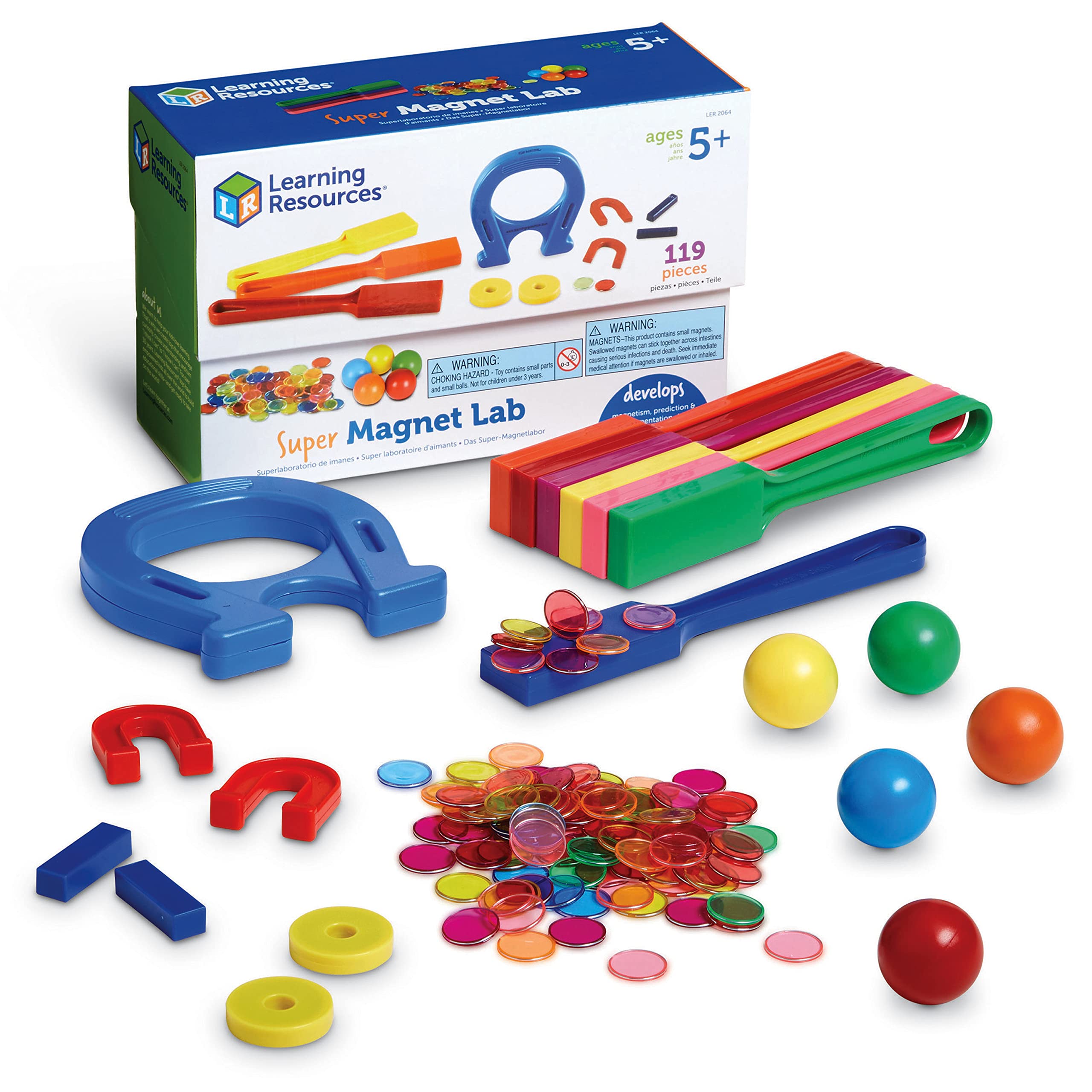
- The product title identifies a 119-piece set for ages 5 and up.
- Includes several kinds of magnets and magnetic pieces.
- Designed for use by groups in Grade 1 and up.
Best For: Teachers, homeschool groups, or families who want a larger set for shared magnet exploration.
Learning Resources Primary Science Lab Set, Pink
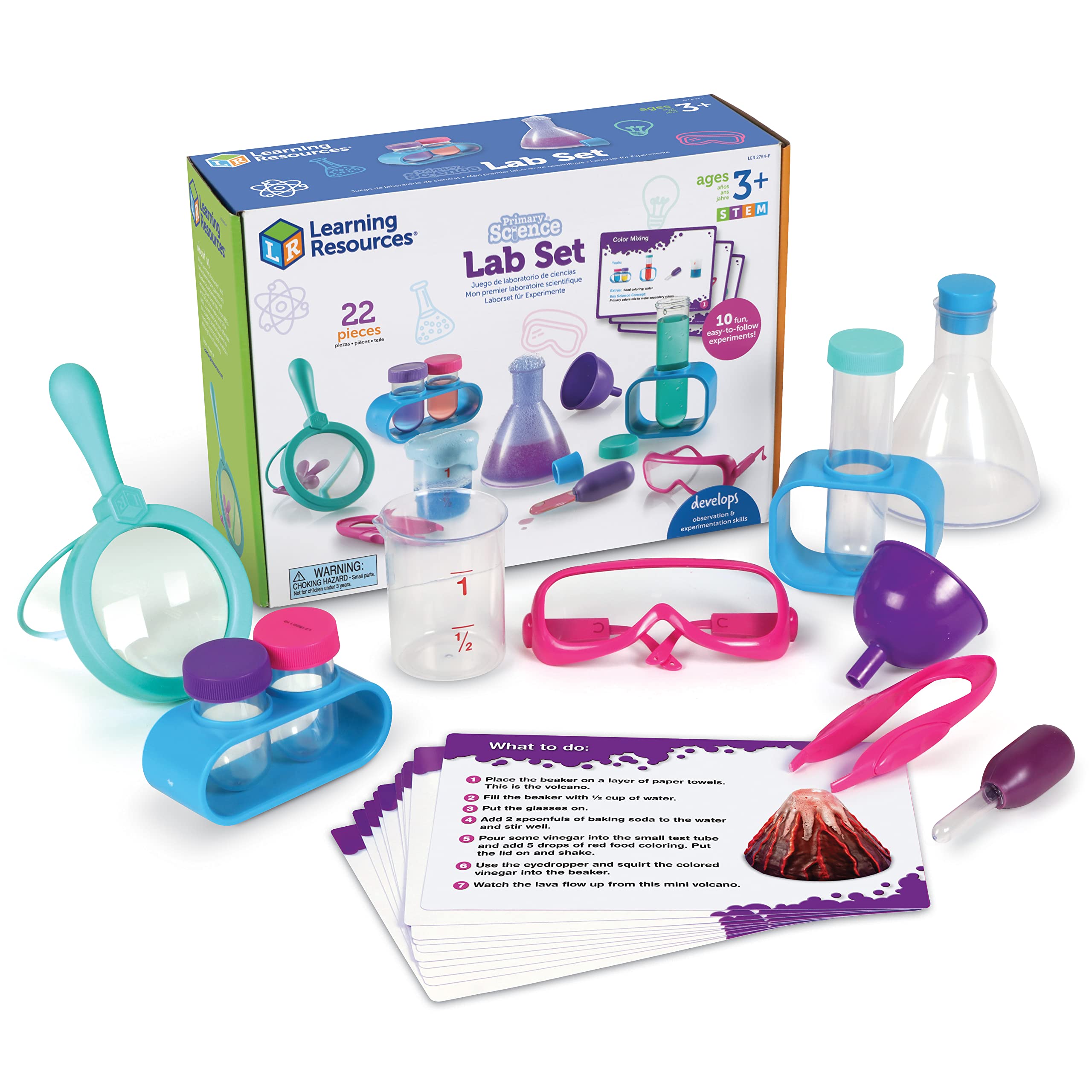
- Includes 22 pieces such as flasks, test tubes, and droppers.
- Activity cards encourage children to describe steps and results.
- Made for children ages 3 and up.
Best For: Children ages 3 and up who are beginning to observe, predict, and experiment.
Learning Resources Beaker Creatures Bubbling Volcano Reactor
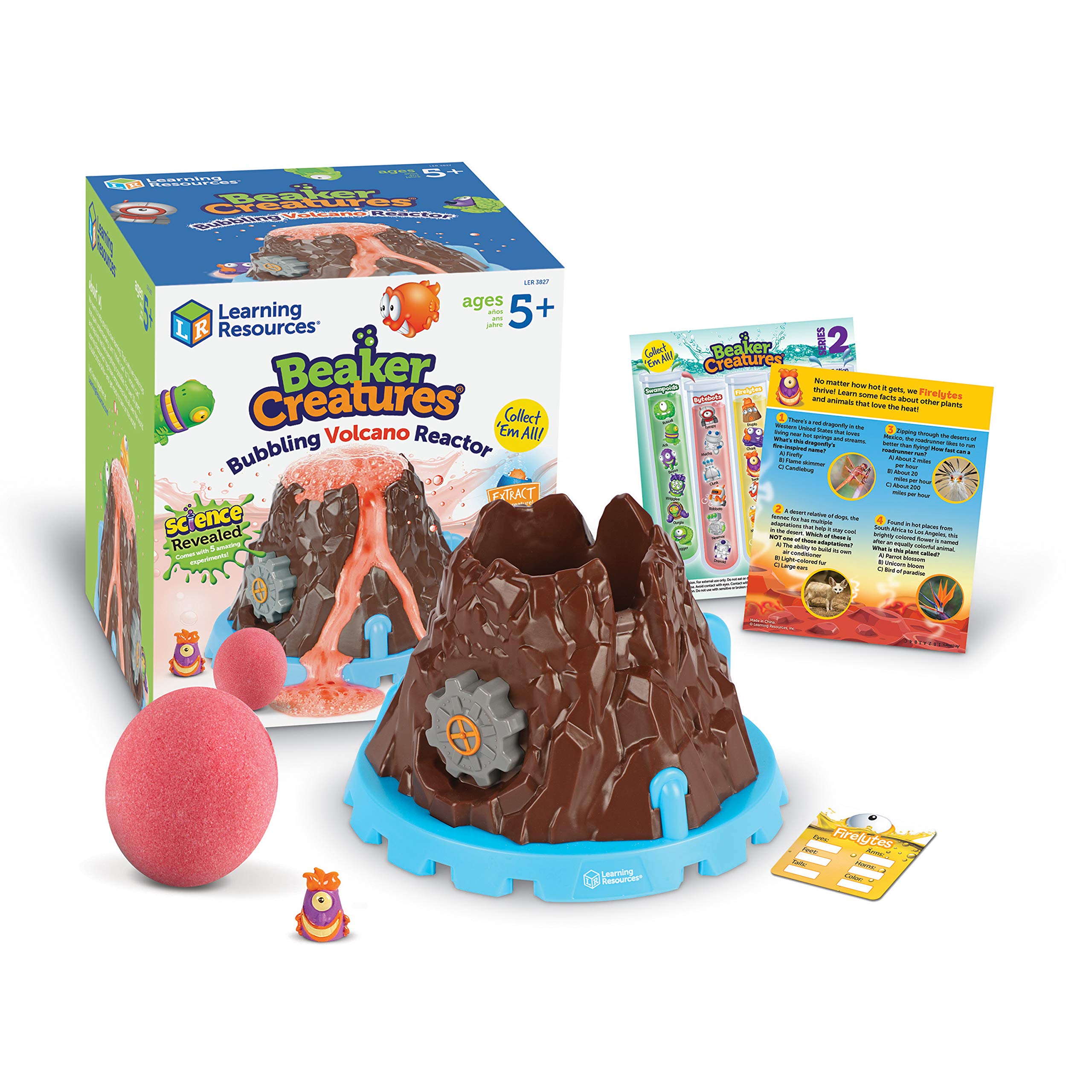
- Includes five fizzing and foaming experiments.
- Comes with one mystery creature in a Reactor Pod.
- Includes a classification card and science-fact mini-poster.
Best For: Ages 5 and up kids who enjoy bubbling experiments with a collectible science element.
Learning Resources Beaker Creatures Alien Experiment Lab
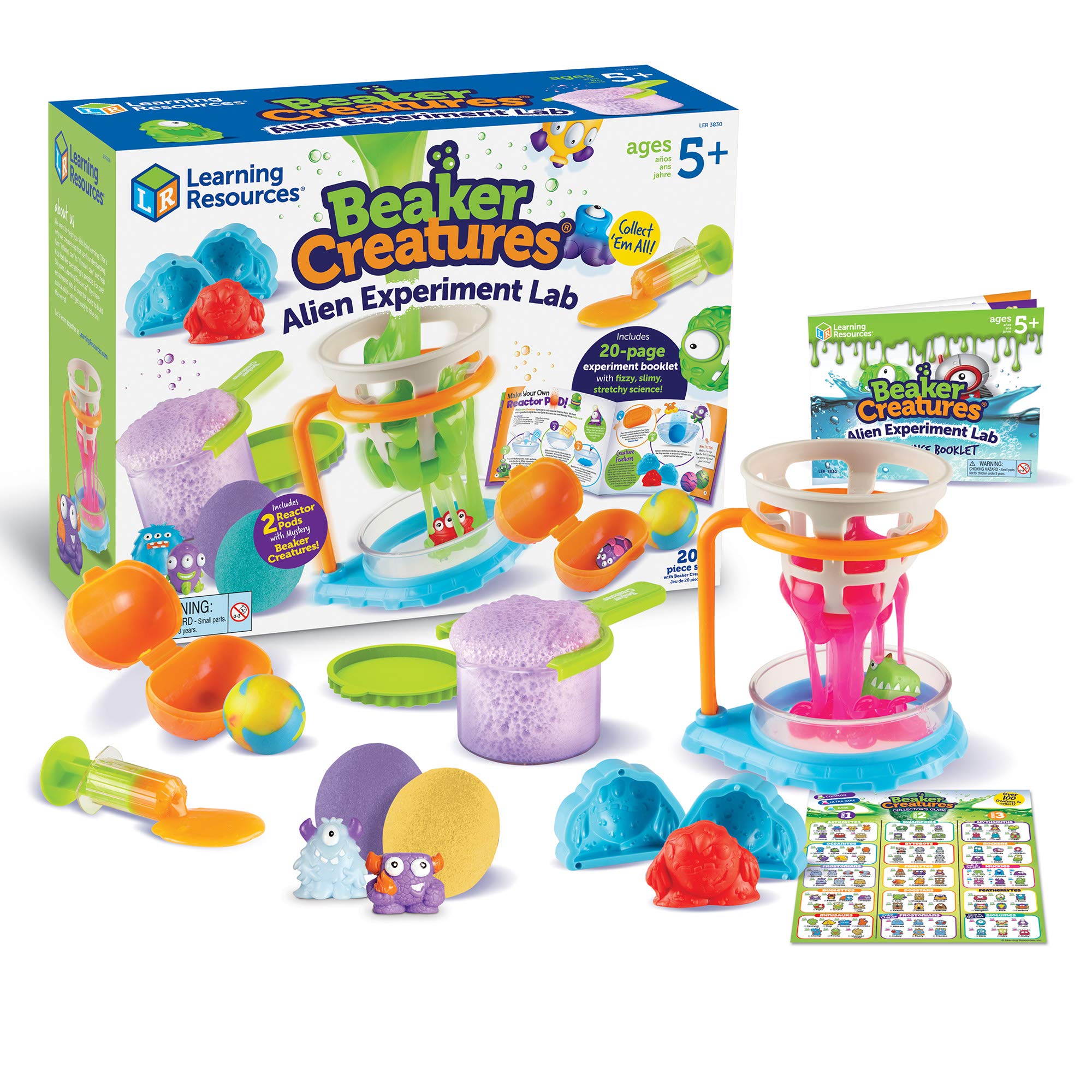
- Includes an 18-piece set for ages 5 and up.
- Includes a full-color experiment booklet packed with hands-on science.
- Includes two mystery Beaker Creatures collectibles.
Best For: Ages 5 and up kids who like short experiments, slime, and collectible creatures.
Dan&Darci Light-up Crystal Growing Kit
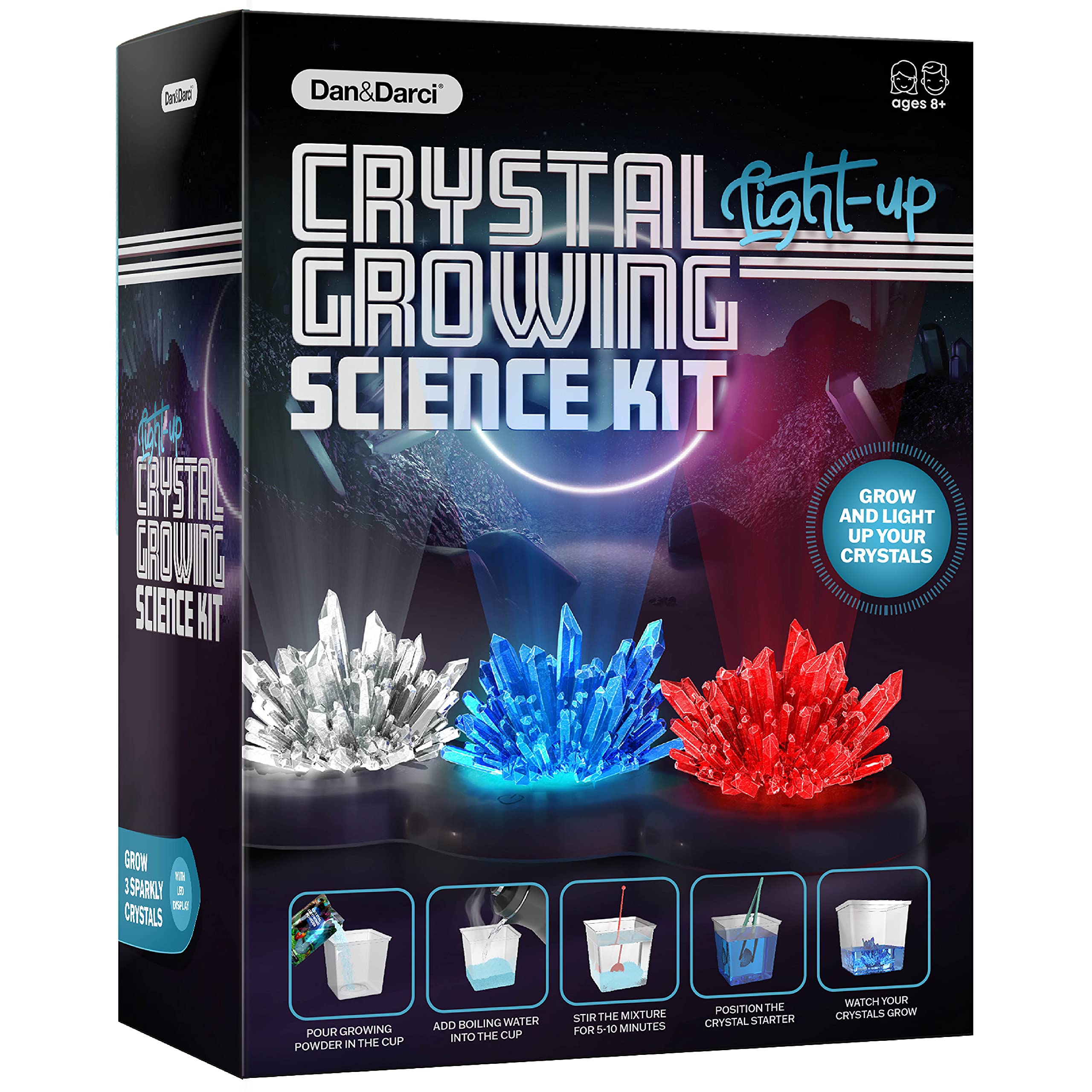
- Provides red, blue, and clear crystal-growing materials.
- Includes an LED display and Micro-USB cable.
- The illustrated guide explains how crystals form.
Best For: Ages 8–12 kids interested in growing crystals and displaying the results.
Dan&Darci Light-Up Terrarium Kit
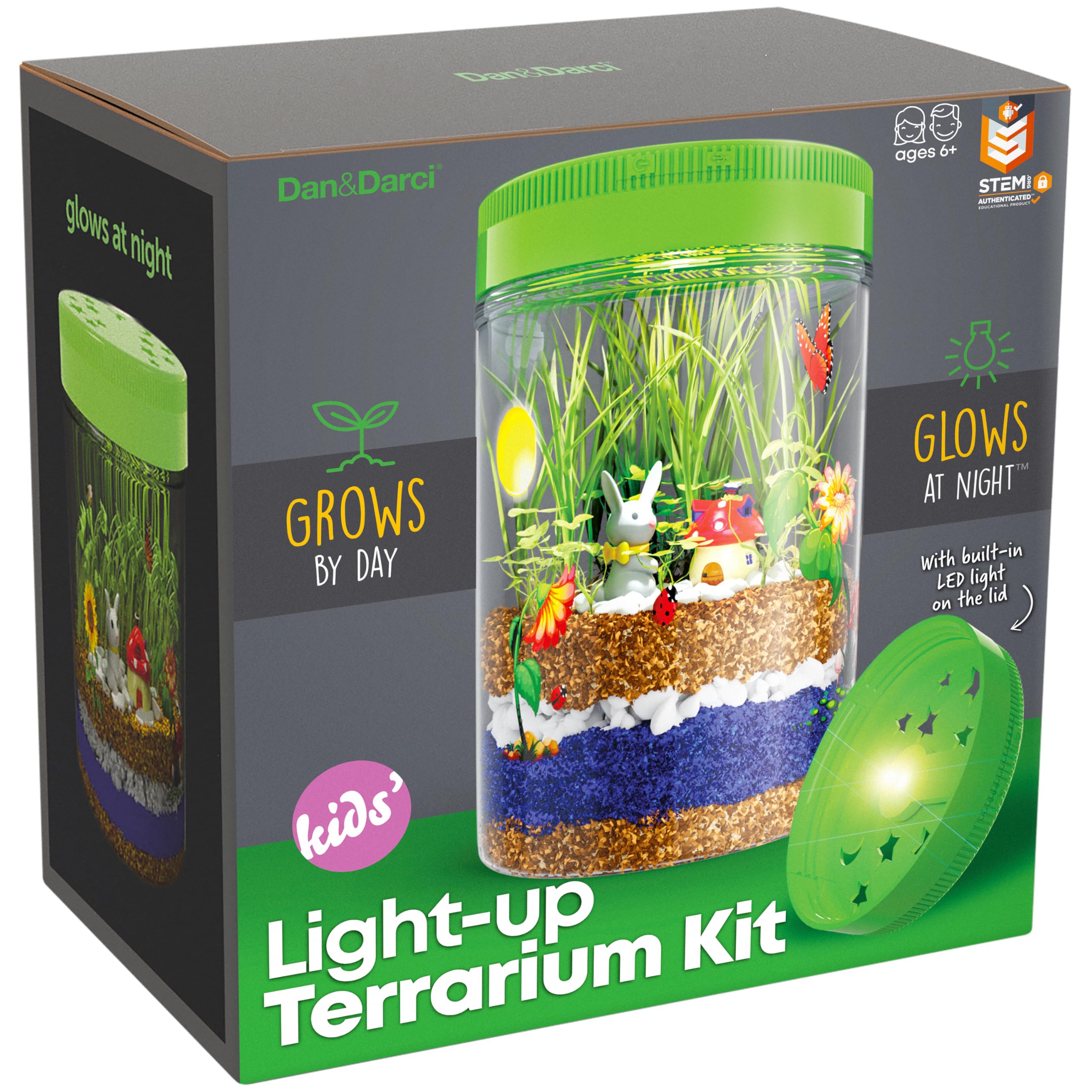
- Includes soil, sand, river rocks, and wheatgrass and chia seeds.
- A built-in LED under the lid illuminates the terrarium.
- The kit includes a 4 by 6 inch terrarium jar.
Best For: Ages 6–12 kids who want to build a miniature garden and watch it grow.
Dan&Darci Dig a Dozen Dino Egg Kit
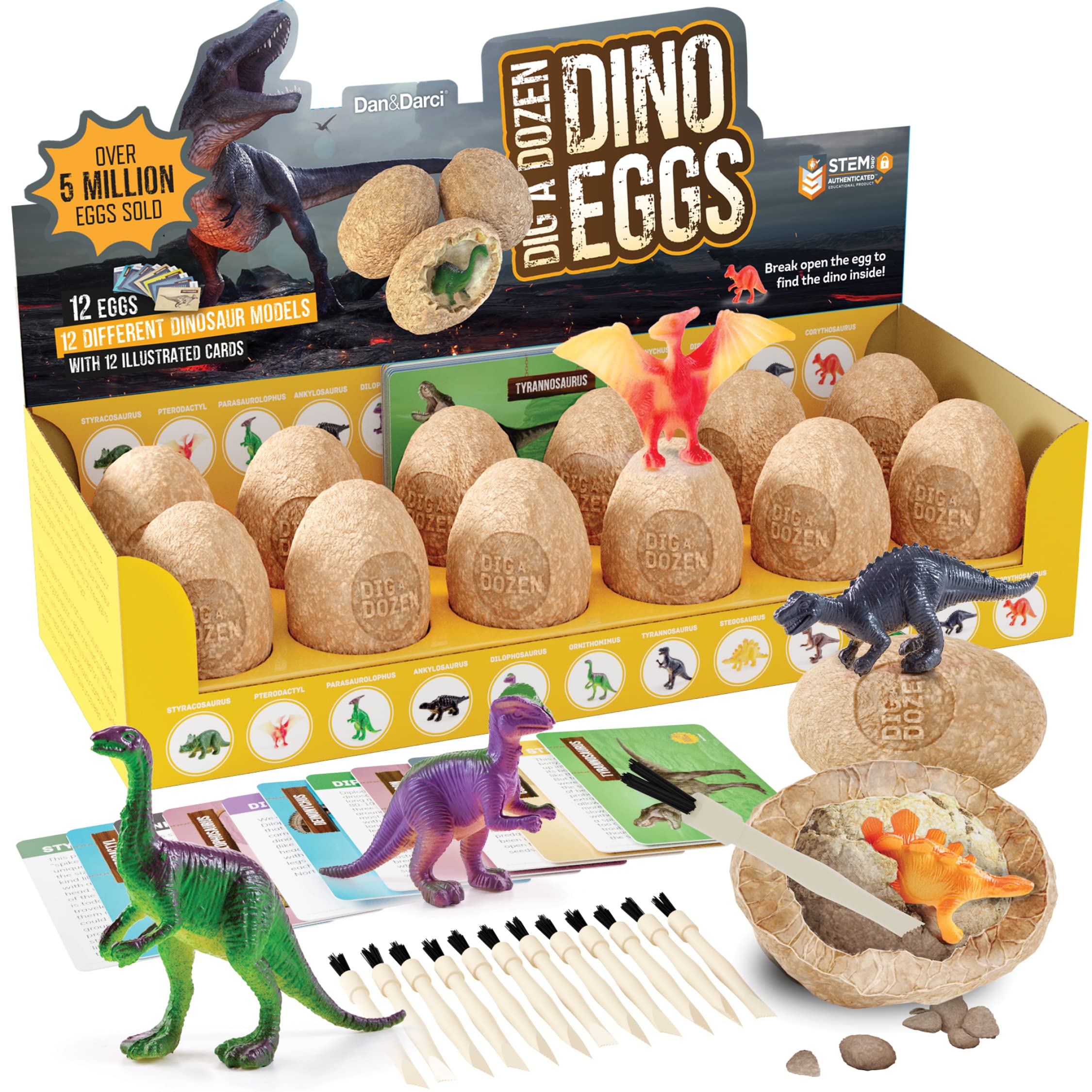
- Includes 12 eggs with surprise dinosaurs.
- Chisels and brushes support the excavation activity.
- Each dinosaur has a full-color learning card.
Best For: Children ages 3–12 who enjoy excavation play and dinosaur facts.
Best All-Around Experiment Set
Learning Resources Primary Science Deluxe Lab Set - 45 Pieces, Ages 3+, Experiments for Kids, STEM Toys, Sensory Tube, Microscope for Students
This 45-piece set gives young children a broad introduction to observing and experimenting. It includes a microscope, test tubes, safety glasses, and other tools sized for little hands.
The guide offers 20 step-by-step experiments using common household ingredients for activities such as mixing colors and making rainbow ice. That combination makes it a flexible starting point for families who want more than one activity type.
Its age guidance begins at three, though the records do not spell out which experiments need adult help or what household materials each one requires.
Best For: Young children exploring simple science activities with hands-on tools.
| Pros | Cons |
|---|---|
|
|
Choose this set if you want a mix of observation tools and guided activities for an early learner. The 20 experiments provide more direction than a kit built around a single subject, while the microscope and safety glasses add pretend-lab appeal.
Before buying, check the activity guide’s individual steps and gather any household ingredients needed. The records do not identify experiment-by-experiment supervision needs, so plan to review activities with a young child.
Best Focused Magnet Experiments
hand2mind Magnetic Science Kit for Kids 8-12, Kids Science Kit with Fact-Filled Guide, Make Magnets Float and Build a Compass, STEM Toys, 9 Science Experiments
This kit centers its activities on magnetism, with nine experiments and 20 lab tools. Children can explore how to make magnets float, move a train using magnetic levitation, and create a compass.
A 20-page fact-filled guide adds scientific principles and pictures, which gives the experiments a useful learning companion. Its focused topic can suit a child who already likes magnets or wants a coherent set of activities around one idea.
The records do not identify the individual tools or explain whether any extra materials are needed, so check the guide and kit contents before starting.
Best For: Ages 8–12 kids curious about magnetic force, levitation, and compasses.
| Pros | Cons |
|---|---|
|
|
Pick this for a school-age child who wants several experiments on one science topic. Its nine activities and detailed guide offer more structure than a set of loose exploration tools, while the levitating-train and compass activities give the theme variety.
Check the guide for activity prerequisites and decide whether the child will need an adult nearby. For younger children, the kit’s 8–12 age range may make another option a better fit.
Best for Rock and Fossil Collecting
Dan&Darci Rock Collection for Kids - Includes 250+ Bulk Rocks, Gemstones & Crystals + Genuine Fossils and Minerals - 2 Lbs. - Geology Earth Science STEM Toys Activity, Gifts for Boys & Girls Ages 6+
This geology collection gives young collectors many specimens to examine rather than centering on one experiment. It includes more than 250 rocks, gemstones, crystals, fossils, and minerals, plus a learning mat for comparing finds.
A magnifying glass, fossil display case, and collector’s pouch support looking closely and keeping selected pieces together. The range of rough and polished specimens makes it useful for informal sorting and discussion at home or in a group.
The records do not give a specimen-by-specimen identification key, so check what reference information comes with the learning mat before choosing it for structured lessons.
Best For: Children ages 6 and up who enjoy sorting and identifying rocks, minerals, and fossils.
| Pros | Cons |
|---|---|
|
|
Choose this when a child is drawn to collecting and comparing natural specimens more than following a single experiment sequence. The large assortment and learning mat invite sorting, while the magnifier and display case support closer inspection and keeping finds.
Before buying, consider whether the child will be satisfied with specimen exploration or needs a more detailed identification guide for school assignments. The stated total weight is two pounds, so expect a collection with pieces of varied sizes.
Best for Group Magnet Activities
Learning Resources Super Magnet Lab Kit - 119 Pieces, Ages 5+, STEM ,Toys for Kindergartner, Science Learning Activities for Kids,Back to School Supplies,Teacher Supplies
The Super Magnet Lab is a 119-piece magnet set intended for classroom, homeschool, and home exploration. Its mix includes magnetic chips, wands, marbles, and several types of magnets, alongside a teacher’s guide and storage box.
Those varied pieces support activities around attraction, repulsion, and testing which materials respond to magnets. The product description says the set is designed for up to 25 students in Grade 1 and up, making it especially relevant for shared learning.
Because the contents differ between notes and product description, confirm the included components before relying on a specific piece count or planning a lesson.
Best For: Teachers, homeschool groups, or families who want a larger set for shared magnet exploration.
| Pros | Cons |
|---|---|
|
|
This is a practical candidate for group activities or a household that wants many magnet types available at once. The guide and storage box make it more classroom-oriented than a compact experiment kit.
However, the records give conflicting piece counts and describe different components, so verify the exact package contents before planning activities around a particular item. If you need a clearly enumerated set of experiments for one child, the hand2mind kit has more specific activity details.
Best First Science Lab for Preschoolers
Learning Resources Primary Science Lab Set Pink - Experimentation and Observation for Kids, STEM Projects, Science Kits, Experiments, Pretend Play Scientists, Toddler Project Chemistry Toy
This 22-piece lab set introduces early science through familiar tools and guided activities. It includes flasks, test tubes, droppers, tweezers, and a magnifying glass, while activity cards prompt children to describe steps and results.
The set is intended for ages three and up and can be used at home, in classrooms, or in therapy settings. Its emphasis on observation and language makes it a useful choice for a caregiver who wants to talk through what a child notices.
Check whether the included cards provide enough direction for your child, since the records do not detail the experiments themselves.
Best For: Children ages 3 and up who are beginning to observe, predict, and experiment.
| Pros | Cons |
|---|---|
|
|
Choose this for a preschool-age child who benefits from an adult narrating simple observations and results. The activity cards give shared play a language-building angle, and the range of tools supports pouring and close looking.
It is less fully specified than the deluxe set, whose record identifies 20 step-by-step experiments. Before deciding, compare the card-based activities with the level of written guidance your household wants.
Best for Fizzy, Repeatable Reactions
Learning Resources Beaker Creatures Bubbling Volcano Reactor - Ages 5+ Science Kits for Kids, STEM Toys for Kids, Fun Science Experiments for Kids
This compact volcano-themed science kit offers five fizzing and foaming experiments that can be performed again and again. It also includes one mystery Beaker Creature Reactor Pod, a classification card, and a mini-poster with science facts.
The mix of repeatable reactions and a collectible discovery gives the activity a playful hook while retaining some informational material. Its record does not spell out the materials needed for each experiment, so check the instructions before setting aside a work area.
This option fits a child drawn to dramatic reactions more than broad coverage of several science topics.
Best For: Ages 5 and up kids who enjoy bubbling experiments with a collectible science element.
| Pros | Cons |
|---|---|
|
|
Pick this for a child who is motivated by fizzing reactions and a surprise collectible. Five repeatable experiments create a clear activity theme, but the set covers a narrower range than a larger lab kit.
Check what household ingredients each experiment needs and whether adult involvement is appropriate for your child. If the creature itself is the main attraction, compare this with the Beaker Creatures Alien Experiment Lab, which includes two collectibles and a booklet.
Best Science Story and Experiment Mix
Learning Resources Beaker Creatures Alien Experiment Lab, 18 Piece Set, Ages 5+,Science Exploration, Science Kit for Kids, Fun Science Experiments for Kids | Science Exploration Games, Fun Experiments for Kids, 18 pieces, Ages 5+
The Alien Experiment Lab combines hands-on activities with a science-fiction creature theme. It includes an 18-piece set, an experiment booklet, and two mysterious Beaker Creatures collectibles in Reactor Pods.
Activities include making Reactor Pods and soaking creatures in slime, giving children tangible tasks alongside the booklet’s broader science exploration. This is a good fit for a child who enjoys both doing and collecting.
The records do not list all materials or describe the experiments’ steps, so check the booklet details before expecting a particular activity or planning what else to have on hand.
Best For: Ages 5 and up kids who like short experiments, slime, and collectible creatures.
| Pros | Cons |
|---|---|
|
|
Choose this set if the child enjoys imaginative themes and wants both experiments and collectible figures. The full-color booklet gives the activity a stronger reading component than the volcano reactor, while the two mystery creatures add an unboxing element.
The records do not identify every experiment or the supplies each uses, so check the booklet contents or prepare to review directions together. For a straightforward series of repeatable bubbling reactions, the volcano set has clearer activity details.
Best Crystal Display Project
Light-up Crystal Growing Kit for Kids - Science Kits for Kids Age 8-12 - 6 7 8 9 10 Year Old Boy Birthday Gifts - Gifts for Girls - STEM Toys for 7 Year Old Boys, Experiment Crafts for Age 10-12 Years
This crystal kit turns a chemistry-themed activity into a small display project. It includes three growing cups, three powder bags in red, blue, and clear, crystal starters, and an illustrated 12-page guide.
Once the crystals are ready, an LED display lets children show them with light; a Micro-USB cable powers the display. The process unfolds over time rather than ending in one sitting, making it suited to a child who enjoys checking progress and keeping a finished project.
The records do not specify how long growth takes, so consider whether your child is comfortable with a wait between setup and display.
Best For: Ages 8–12 kids interested in growing crystals and displaying the results.
| Pros | Cons |
|---|---|
|
|
Choose this for a child who likes a project with a visible result to keep and display. Three growing cups allow several color options, while the illustrated guide adds background on crystal formation.
The main tradeoff is the waiting period: the records do not give a growth timeline, which matters if this is meant as a quick gift activity. Check the display power setup as well, since the included cable is identified but an adapter is not.
Best Nature-Themed Growing Project
Dan&Darci Light-Up Terrarium Kit for Kids - STEM Science Kit - Educational DIY Toy for Boys & Girls - Birthday Gift - Craft Project Idea for Ages 6 7 8 9 10 11 12 Year Old - Craft for Boys
This kit lets children assemble a small terrarium using a jar, soil, sand, river rocks, and seeds. The included wheatgrass and chia seeds give the project a growing component, while a light under the lid turns the finished jar into a glowing display.
A spray bottle, planting stick, stickers, and miniature decorations round out the activity. The jar is identified as 4 by 6 inches, which helps set expectations about the finished size.
The product notes advise fully charging the lid and using a standard USB cable with a maximum 5W adapter, so follow those charging directions before use.
Best For: Ages 6–12 kids who want to build a miniature garden and watch it grow.
| Pros | Cons |
|---|---|
|
|
Pick this when the child wants to build and tend a miniature garden rather than complete a one-time experiment. The seeds, planting tools, and light-up lid connect natural growth with a finished display.
It needs some patience as the plants grow, and the jar’s stated dimensions help clarify that this is a small project. Follow the charging directions in the notes, which specify a standard USB cable and a maximum 5W adapter.
Best Dinosaur Dig Activity
Dan&Darci Dig a Dozen Dino Egg Kit for Kids - Basket Stuffers - Dinosaur Toys Gift 3-12 Year Old - 12 Eggs & Surprise Dinosaurs - Science STEM Activities - Boy Toy Party Gifts for Boys & Girls
This kit turns dinosaur discovery into a hands-on excavation activity. It includes eggs, each with a toy dinosaur, plus chisels and brushes for digging them out.
Matching learning cards describe each dinosaur’s history and characteristics, adding a reading and identification step after the reveal. The individual eggs can suit group play or multiple short activities, rather than one large excavation.
The title gives an age range of three to twelve, but the records do not explain how much adult help younger children may need with the tools or cleanup, so plan the activity around the child.
Best For: Children ages 3–12 who enjoy excavation play and dinosaur facts.
| Pros | Cons |
|---|---|
|
|
Choose this for a dinosaur fan who will enjoy the digging process as much as the toy reveal. Twelve eggs make it easy to spread the activity across play sessions or share it with a group, and the learning cards give each discovery an educational follow-up.
Compared with the jumbo egg option, the eggs are separated rather than gathered inside one large piece. Review the activity setup and cleanup needs before handing the tools to a younger child.
How to Choose Science Kits For Kids
How We Picked Science Kits for Kids
The kits here offer hands-on activities connected to science ideas. Options include experiments, materials for observing or sorting, and projects children can build and revisit.
Interests include magnets, crystals, geology, plants, insects, reactions, and dinosaurs.
Age guidance helped match complexity, while included tools and activity guides showed how much structure each kit offers. We favored options with identified activities or learning materials.
Products that were mainly costumes, general play tools, anatomy displays, or coding toys were left out because they did not fit the experiment and discovery intent as closely.
Comparing Science Kits for Kids
The kits vary in how much they guide the activity. The Primary Science Deluxe Lab Set has 20 step-by-step experiments, while the pink Primary Science Lab Set uses activity cards to prompt observation and discussion.
The hand2mind kit focuses on nine magnet experiments, and the Super Magnet Lab supplies a broader assortment for group exploration, though its records give conflicting contents that buyers should confirm.
Other choices revolve around a project or subject. The crystal kit grows specimens for display; the terrarium combines planting with a light-up jar; the rock collection supports sorting and close inspection.
Beaker Creatures kits add collectibles to reactions and slime activities, while the dinosaur egg kit structures play around excavation and matching facts. Consider whether a child wants a sequence of experiments, an ongoing project, or materials for open-ended discovery.
| Product | Standout features | Best for |
|---|---|---|
| Learning Resources Primary Science Deluxe Lab SetCheck Price |
| Young children exploring simple science activities with hands-on tools. |
| hand2mind Magnetic Science KitCheck Price |
| Ages 8–12 kids curious about magnetic force, levitation, and compasses. |
| Dan&Darci Rock Collection for KidsCheck Price |
| Children ages 6 and up who enjoy sorting and identifying rocks, minerals, and fossils. |
| Learning Resources Super Magnet Lab KitCheck Price |
| Teachers, homeschool groups, or families who want a larger set for shared magnet exploration. |
| Learning Resources Primary Science Lab Set, PinkCheck Price |
| Children ages 3 and up who are beginning to observe, predict, and experiment. |
| Learning Resources Beaker Creatures Bubbling Volcano ReactorCheck Price |
| Ages 5 and up kids who enjoy bubbling experiments with a collectible science element. |
| Learning Resources Beaker Creatures Alien Experiment LabCheck Price |
| Ages 5 and up kids who like short experiments, slime, and collectible creatures. |
| Dan&Darci Light-up Crystal Growing KitCheck Price |
| Ages 8–12 kids interested in growing crystals and displaying the results. |
| Dan&Darci Light-Up Terrarium KitCheck Price |
| Ages 6–12 kids who want to build a miniature garden and watch it grow. |
| Dan&Darci Dig a Dozen Dino Egg KitCheck Price |
| Children ages 3–12 who enjoy excavation play and dinosaur facts. |
Choosing a Science Activity by Age and Interest
For preschoolers, look at tool size, the level of guidance, and whether an adult can join the activity. The two Primary Science sets begin at age three, but they describe different formats: one has 22 pieces and activity cards, while the deluxe set includes a 20-experiment guide.
Age ranges are a starting point; check the actual steps and supervision needs before setup.
For older children, a focused topic can help sustain attention. Magnet kits offer ways to explore attraction and levitation, while crystal growing introduces a process that takes place over time.
Children who prefer nature may enjoy identifying rocks or planting seeds, whereas dinosaur fans may be more engaged by excavation and matching cards. Pick a theme the child already wants to explore, then check how much reading, waiting, and adult participation it involves.
Check Materials, Reuse, and Setup
A kit’s included contents shape how quickly it can be used. Some sets identify their activity materials in detail, such as the rock collection’s magnifier, learning mat, pouch, and display case.
Others mention household ingredients or activity guides but do not list every experiment’s supplies. Review directions and gather prerequisites before setting aside time for an activity.
Think about what happens after the first session. The volcano reactor specifies repeatable experiments, the magnet sets offer many components for new comparisons, and crystal or terrarium projects can become displays.
Collectibles and excavation kits may work well across separate play sessions. For the rechargeable terrarium light, follow the included charging guidance; for the Super Magnet Lab, confirm the exact component contents because the records describe inconsistent piece counts.
Which Science Kit Fits Your Child?
Choose the deluxe lab set for a broad selection of guided activities, or the pink lab set for early observation and conversation. Pick a focused magnet kit when magnetic force is the main interest, and the larger Super Magnet Lab when several children will share the materials.
The crystal kit suits a child who enjoys growing and displaying a result; the terrarium is a nature-themed alternative.
For collecting and close looking, consider the rock collection. For bubbling reactions and themed play, compare the Beaker Creatures options: the volcano reactor gives five repeatable experiments, while the Alien Experiment Lab adds a 20-page booklet and two mystery creatures.
Dinosaur enthusiasts can dig through the 12 eggs and use the learning cards to identify discoveries. Before checkout, match the stated age to the child, verify any extra materials, and check that the activity’s pace suits them.