For curious learners, a good science gift can turn a question into an experiment, a closer look, or a page of notes.
These six picks span hands-on activities, observation tools, and practical study companions for different ages and interests.
6 Science Gift Ideas for Curious Learners
Light-up Crystal Growing Kit for Kids

- Grow red, blue, and clear crystals, then display them on the included light-up stand.
- The illustrated booklet explains how crystals are formed.
- The kit includes growing cups, crystal powder, starters, and an LED display.
Best Gift For: Young science fans who enjoy growing and displaying crystals.

TOMLOV DM9B Digital Microscope
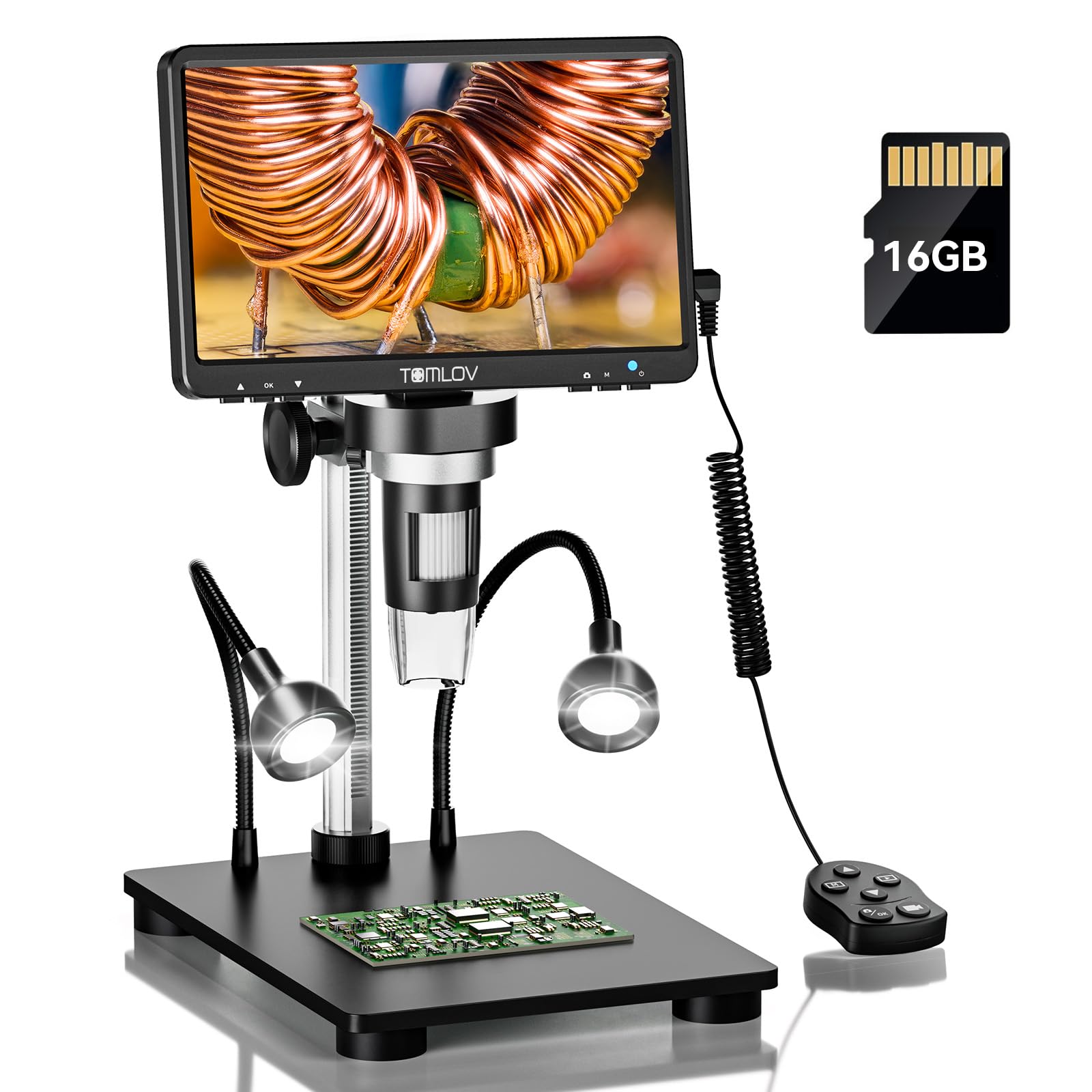
- The microscope offers a magnification range from 5X to 1200X.
- Its rotatable screen supports viewing on the microscope itself.
- A Micro SD card stores photos and videos.
Best Gift For: Students and adult learners curious about examining tiny details.
Memoking T02 Sticker Printer, 6 Rolls
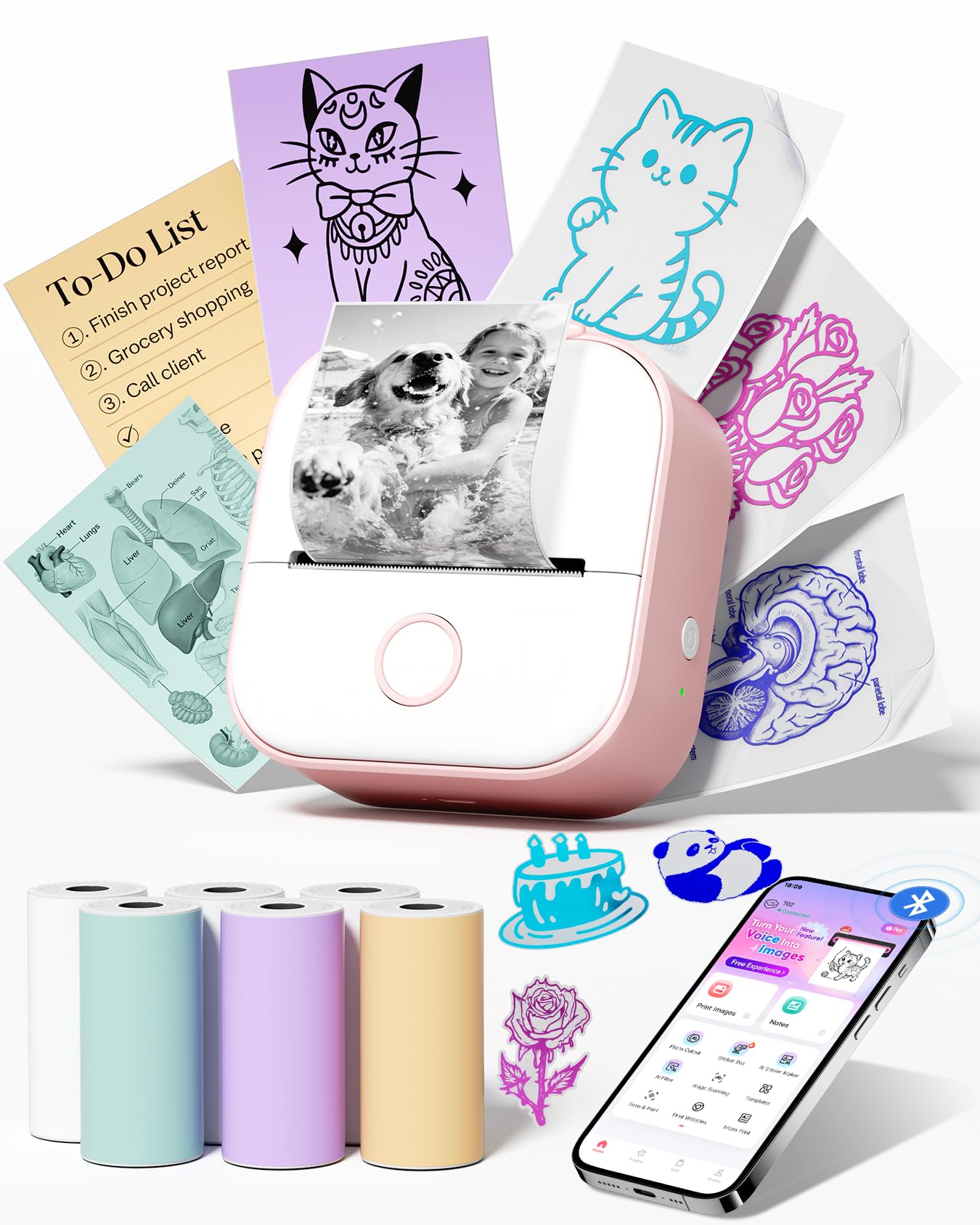
- Print study graphics for subjects including chemistry and physics.
- It connects to iOS and Android devices through Bluetooth.
- The printer comes with six rolls of thermal paper.
Best Gift For: Students who like organizing study notes and science diagrams.
Whitelines Graph Notebooks, 3-Pack

- The set includes three spiral notebooks with graph paper.
- Each notebook has 70 sheets of graph paper.
- The app removes the paper background from writing or drawings.
Best Gift For: Science students who keep graph paper notes and sketches.
SmartMax My First Safari Animals STEM Set
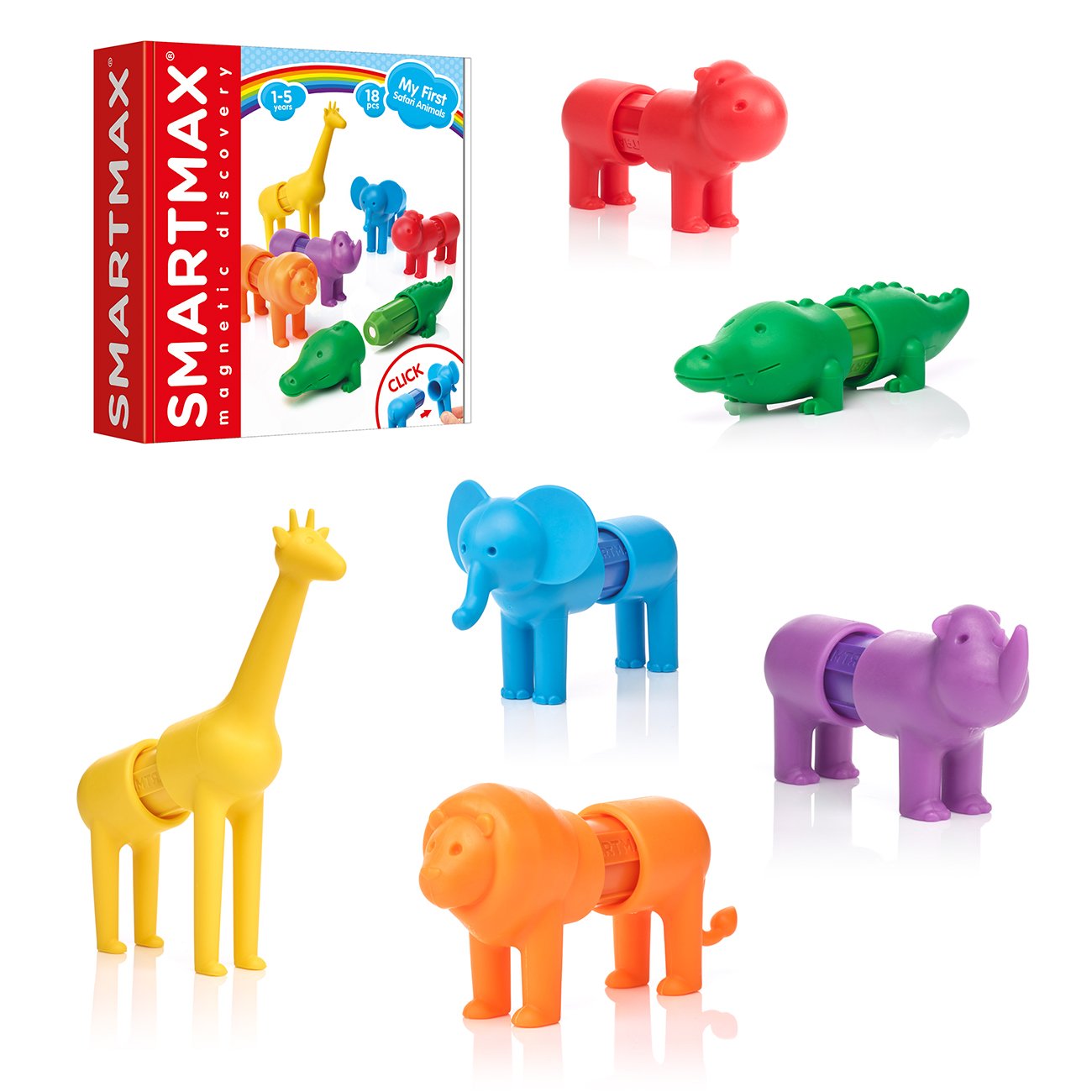
- Children can build six safari animals or mix and match pieces.
- The set contains 18 colorful pieces.
- The magnetic building sets are compatible with each other.
Best Gift For: Young children beginning to explore magnetism and building.
Learning Resources 1-2-3 Build It Robot Factory

- Children can create their own robot designs with the build-it-yourself toy.
- The activity develops early engineering and critical-thinking skills.
- The pieces are designed for little hands to handle.
Best Gift For: Toddlers who enjoy making robot creations and practicing early building skills.
Choosing birthday gifts for science lovers
For birthday gifts for science lovers, start with the recipient’s age and the way they like to explore. A child who enjoys mixing, building, or watching something change may want an activity they can begin with an adult, while a student who already keeps notes may appreciate tools that support a regular study habit.
Think about whether the gift should invite a shared activity or offer independent exploration. Growing crystals and building robots naturally create moments to talk through what is happening; a microscope invites close observation, while graph notebooks or a pocket printer can support classwork and personal projects.
Match the gift to the recipient’s current interests rather than assuming every science fan wants the same subject. A budding geologist may be drawn to examining rocks, while a younger learner may be more excited by magnetic pieces or colorful crystals.
If you are unsure, choose a flexible activity that leaves room for questions and experimentation.
Balance budget and usefulness
Set a comfortable budget before browsing and consider what else the recipient needs to use the gift. A smaller activity or notebook can feel complete on its own, while a device may call for compatible supplies or a computer or phone the recipient already owns.
Check the current product details and compatibility before ordering.
A higher-cost present can make sense when it will be used repeatedly or shared by siblings, classmates, or a parent and child. For a one-time birthday surprise, a compact project may be more practical.
Consider whether the recipient has a place to work, store materials, or display a finished creation.
When several people are contributing, agree on a budget and choose one useful gift rather than adding extras that may go unused. For birthday gifts for science lovers, a thoughtful match to the learner’s habits often matters more than choosing the most elaborate-looking option.
Personalize and present the gift
Make the present personal by pairing it with a simple note naming the question or activity that made you think of them. For example, invite a young learner to choose an object to inspect or ask a student to keep a page for observations.
These small prompts make birthday gifts for science lovers feel connected to the person receiving them.
For a child, consider including time for an adult to join the first session, especially when the activity involves following steps or handling small components. For a student, a handwritten message inside a notebook or a few suggested topics can give the gift a warm, individual touch without taking over their project.
Presentation can hint at the experience ahead: wrap a building set with a sketch of a robot, or add a card inviting the recipient to record what they notice. Keep the packaging practical so the gift can be opened and put to use without a lot of extra materials.
Plan for quick birthday shopping
If you are shopping close to the celebration, check current delivery estimates early and keep a backup plan that does not depend on a specific arrival date. A printable card describing the planned gift can make a useful stand-in if shipping timing is uncertain, provided you are comfortable giving the item later.
Before placing an order, confirm the intended age range, device compatibility, and any dimensions that matter for the recipient’s desk or storage space. For gifts involving an app or connected device, verify that the recipient can use the required platform.
These checks can prevent a rushed choice from becoming a frustrating surprise.
For a local fallback, look for a science activity or stationery item the recipient can use right away, then pair it with a personal invitation to explore together. Focus on a specific interest—building, observing, or recording ideas—and leave enough time to prepare a simple card or wrapping.
Make the gift useful after the birthday
A science-themed present can become more meaningful when it encourages the recipient to keep asking questions after the celebration. Suggest a small follow-up, such as drawing what they observed, explaining how a creation works, or writing down a new question to investigate.
Let the recipient choose the direction so the activity stays enjoyable.
For younger children, a grown-up can help set up a clear workspace and talk through the steps without rushing to provide answers. Older learners may prefer room to explore independently, with a notebook or digital tool nearby for capturing ideas.
A little flexibility helps the gift fit different levels of confidence and curiosity.
If you are unsure which direction to choose, revisit what the person already enjoys doing: making things, looking closely, or organizing what they learn. That clue can guide your selection and presentation, and make the gift feel considered well beyond the birthday itself.