For a child who likes asking how things work, a hands-on gift can turn holiday downtime into a chance to explore, build, and experiment.
These five picks range from crystal growing and microscopes to magnetic dinosaurs, robot building, and playful sorting activities, with options for different ages and interests.
5 Christmas Gift Ideas for Kids Who Love Science
Light-up Crystal Growing Kit
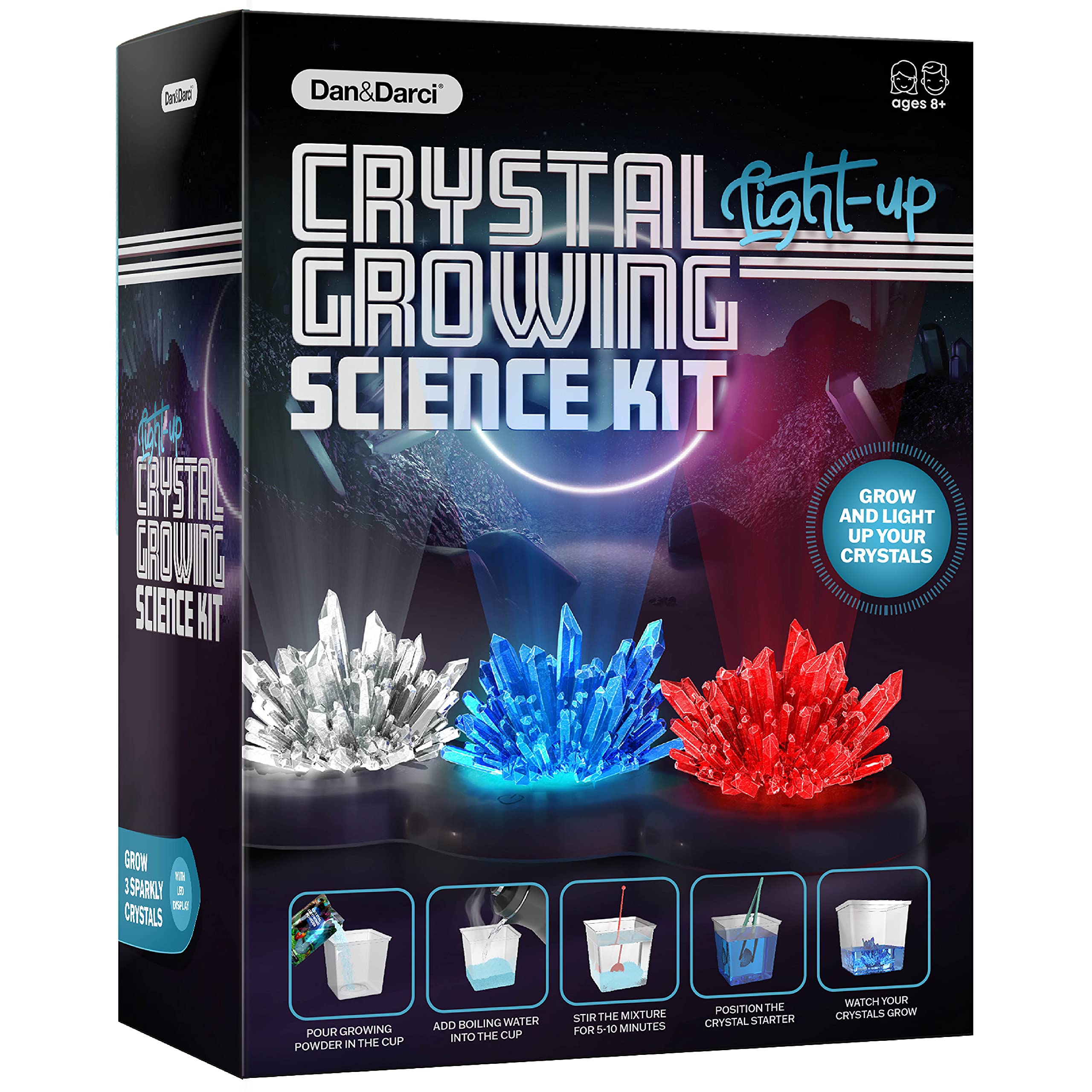
- Grow red, blue, and clear crystals with a hands-on activity.
- The included LED display lights up the finished crystals.
- A learning guide explains how crystals are formed.
Best Gift For: A young experimenter who would enjoy growing crystals and displaying them afterward.

GeoSafari My First Microscope
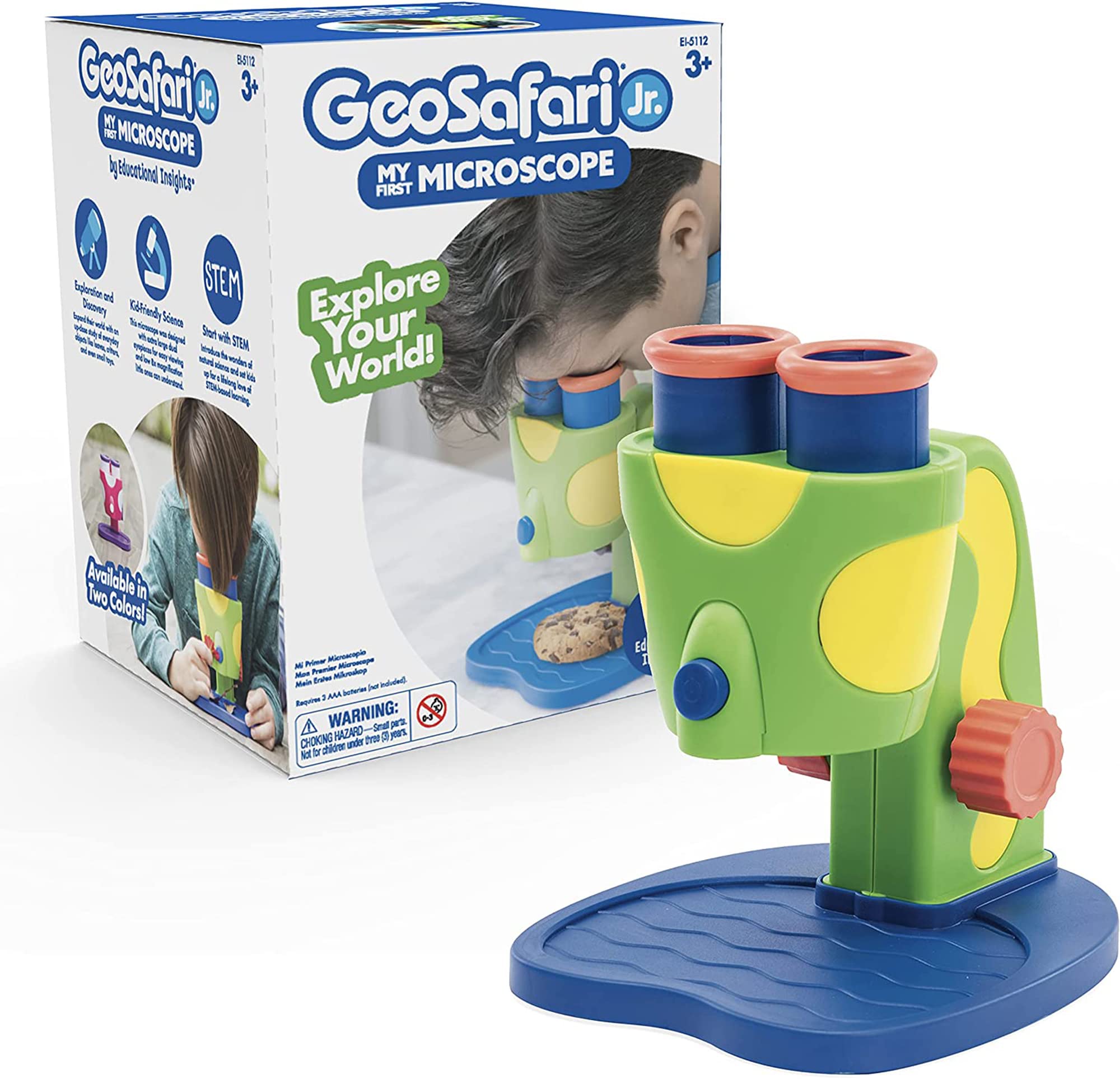
- Large eyepieces let kids look without closing one eye.
- The overhead LED light illuminates samples on the tray.
- Prepared slides are included; three AAA batteries are needed but not included.
Best Gift For: A young child ready to explore prepared slides and build curiosity about the world.
SmartMax My First Dinosaurs Magnetic Building Set
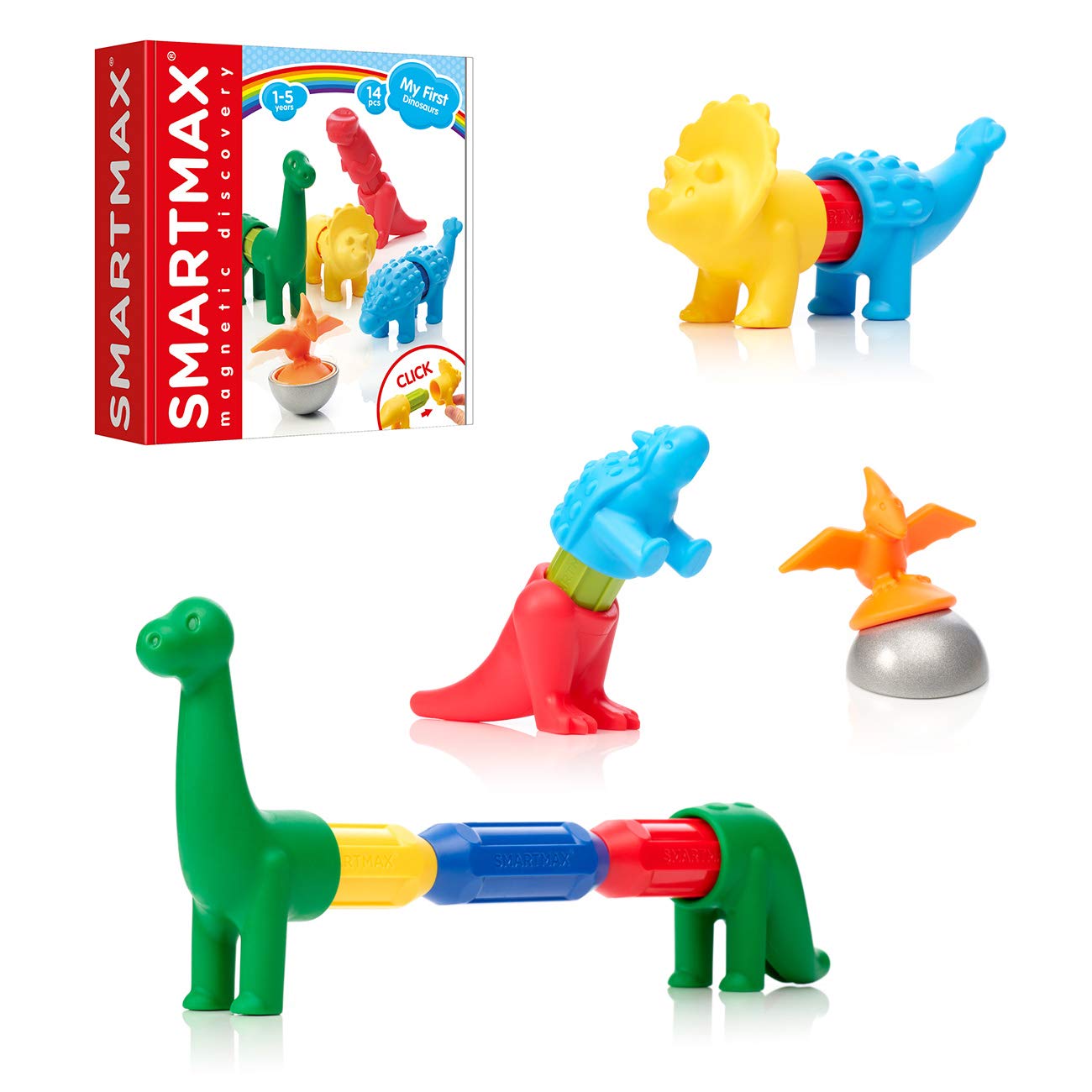
- Build familiar dinosaurs or invent mixed-up creations.
- Clicking magnetic pieces introduce early magnetism and problem-solving.
- The set includes colorful magnetic bars and soft dinosaur pieces.
Best Gift For: A little dinosaur fan who enjoys fitting pieces together and making new creations.
1-2-3 Build It Robot Factory
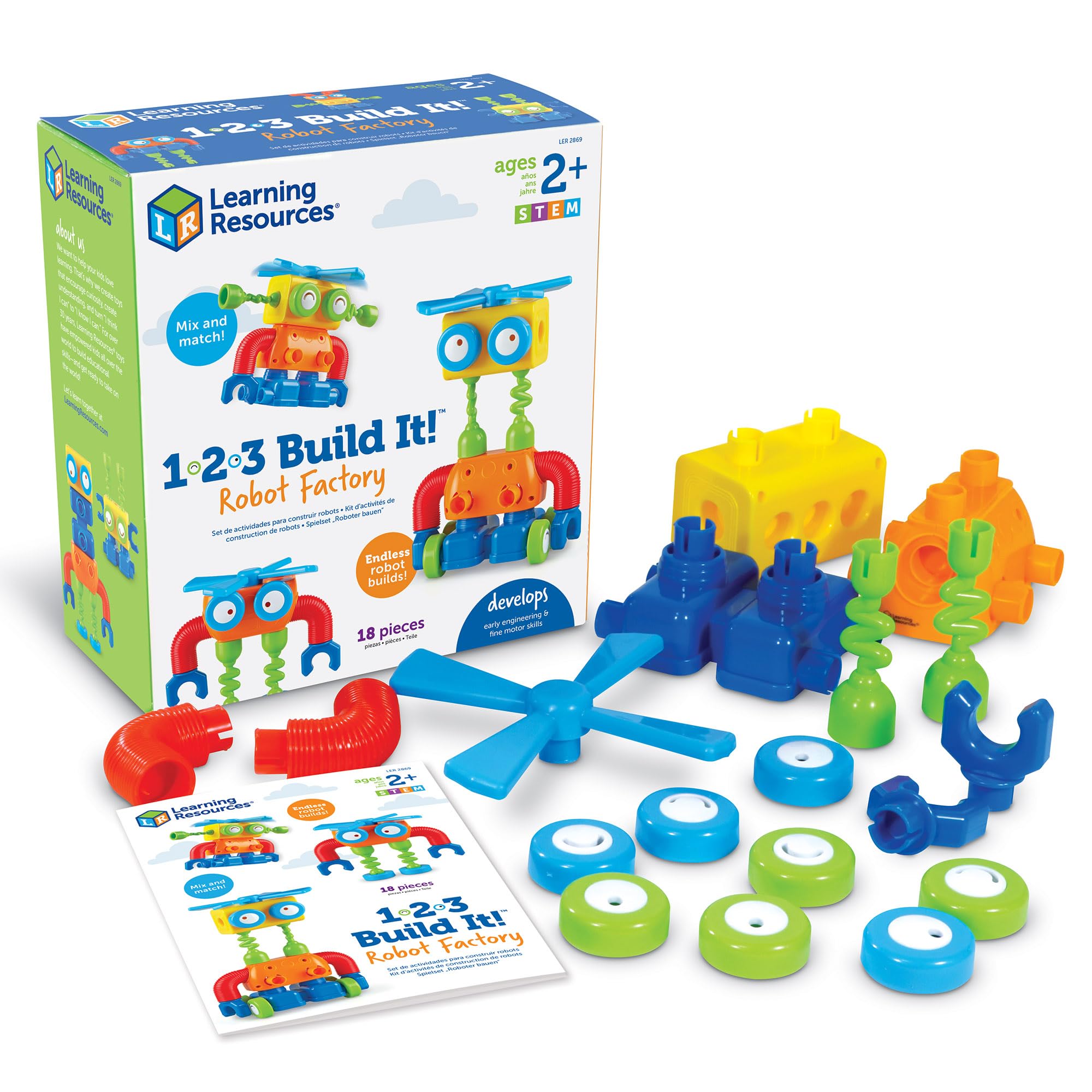
- Build imaginative robot creations from easy-to-handle pieces.
- Building play supports early engineering and critical-thinking skills.
- Works with other 1-2-3 Build It! sets.
Best Gift For: A toddler who likes hands-on building and imaginative robot play.
Super Sorting Pie
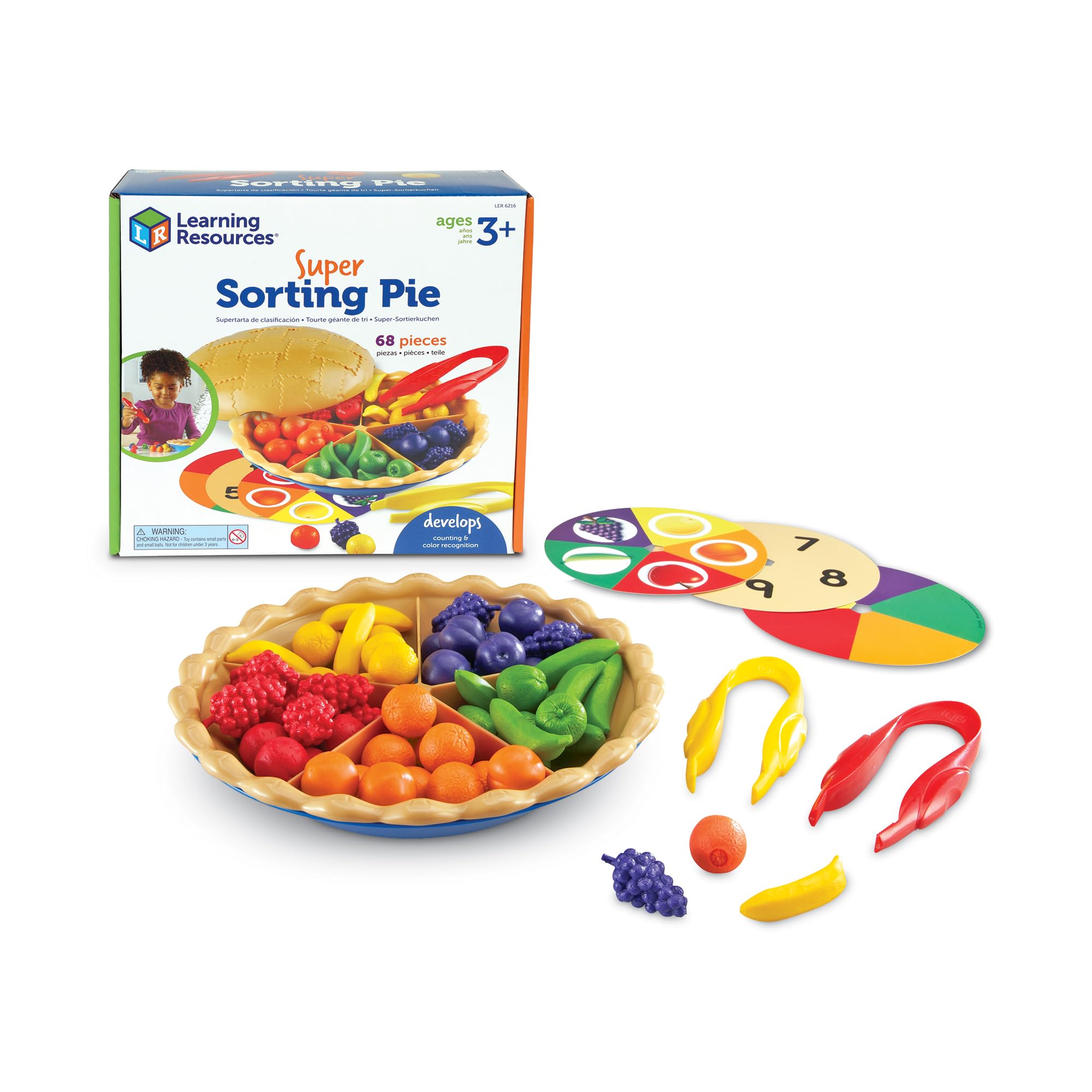
- Fruit counters, sorting cards, and a divided pie plate make learning hands-on.
- Jumbo tweezers give little hands a chance to practice grasping.
- Two tweezers allow children to play together.
Best Gift For: A preschooler who enjoys sorting colorful pieces and practicing early counting.
Choosing Christmas gifts for kids who love science
Start with the kind of discovery the child already enjoys. A kid who likes watching changes unfold may be drawn to growing crystals, while a child who asks what tiny objects look like up close may enjoy looking through a microscope.
Building and sorting make good choices for children who prefer to learn by handling pieces and trying ideas themselves.
Age and attention span matter as much as the theme. A younger child may be more comfortable with large pieces and simple, repeatable play; an older child may want to follow a sequence and see a project develop.
Check the age guidance and any setup needs before choosing, and consider whether an adult will need to help.
Balance the budget with the whole activity
For Christmas gifts for kids who love science, think about what makes the gift ready to use. Some activities include the central materials and a guide, while others need batteries or benefit from an adult nearby.
Check the current product details so you can account for any extra items before wrapping it.
A smaller, focused activity can be a thoughtful present on its own, especially for a child who likes short bursts of play. A building toy may see more repeat use if the child enjoys inventing new combinations.
When comparing options, consider how often the child might return to it, how much setup it requires, and whether the household already has compatible pieces or supplies.
Personalize the gift and make it inviting
Match Christmas gifts for kids who love science to a specific curiosity. Pair a crystal-growing activity with a handmade card asking what colors they want to explore, or invite a dinosaur fan to invent a new creature from the building pieces.
A microscope gift can come with a small notebook for sketches and questions, without assuming what the child will find.
Presentation can turn an educational toy into an occasion. Wrap the main gift with a simple note that suggests a first activity, such as choosing a name for a robot or sorting pieces by color.
If the child will need help, include a note for the parent or caregiver so the activity can become shared holiday time.
Make the gift work for the household
Before buying, check that the gift suits the child’s stage and the space available for play. A project that spreads out on a table may need a place to remain undisturbed, while small pieces call for a plan for storage.
Keep siblings in mind too: a gift that supports taking turns or building together can fit a shared play setting.
For families with several children, look for activities that invite conversation and cooperation. Ask whether the child likes following instructions, experimenting freely, or alternating between the two.
These preferences can help narrow the choice without making the present feel like schoolwork.
Last-minute Christmas shopping advice
If you are shopping close to the holiday, compare current prices, compatibility, dimensions, and delivery estimates before placing an order. Check whether batteries or other supplies are included, and confirm that any companion set or accessory is already on hand if the child expects to use it.
Availability and arrival timing can change, so use the current checkout information.
A gift does not need elaborate packaging to feel considered. Add a short handwritten prompt, such as “What would you like to investigate first?” or “Can you build a creature no one has seen?” That gives the child an easy starting point and makes the present feel chosen for their curiosity.