For a history lover, the pleasure of a good book can extend to the whole reading space: a comfortable place to settle in, tools for keeping notes, and ways to organize a growing collection.
These eight gift ideas bring together practical reading companions and study accessories for different interests, routines, and budgets.
8 Gift Ideas for History Lovers
Glocusent Rechargeable Neck Reading Light

- Choose among three color temperature modes and adjustable brightness for different reading settings.
- Its adjustable arms let the reader set a comfortable angle around the neck.
- The rechargeable light is designed to give up to 80 hours of use in general reading with a single head.
Best Gift For: A history reader who likes to read in bed or keep both hands free while following a book.

VASAGLE 5-Tier Bookcase
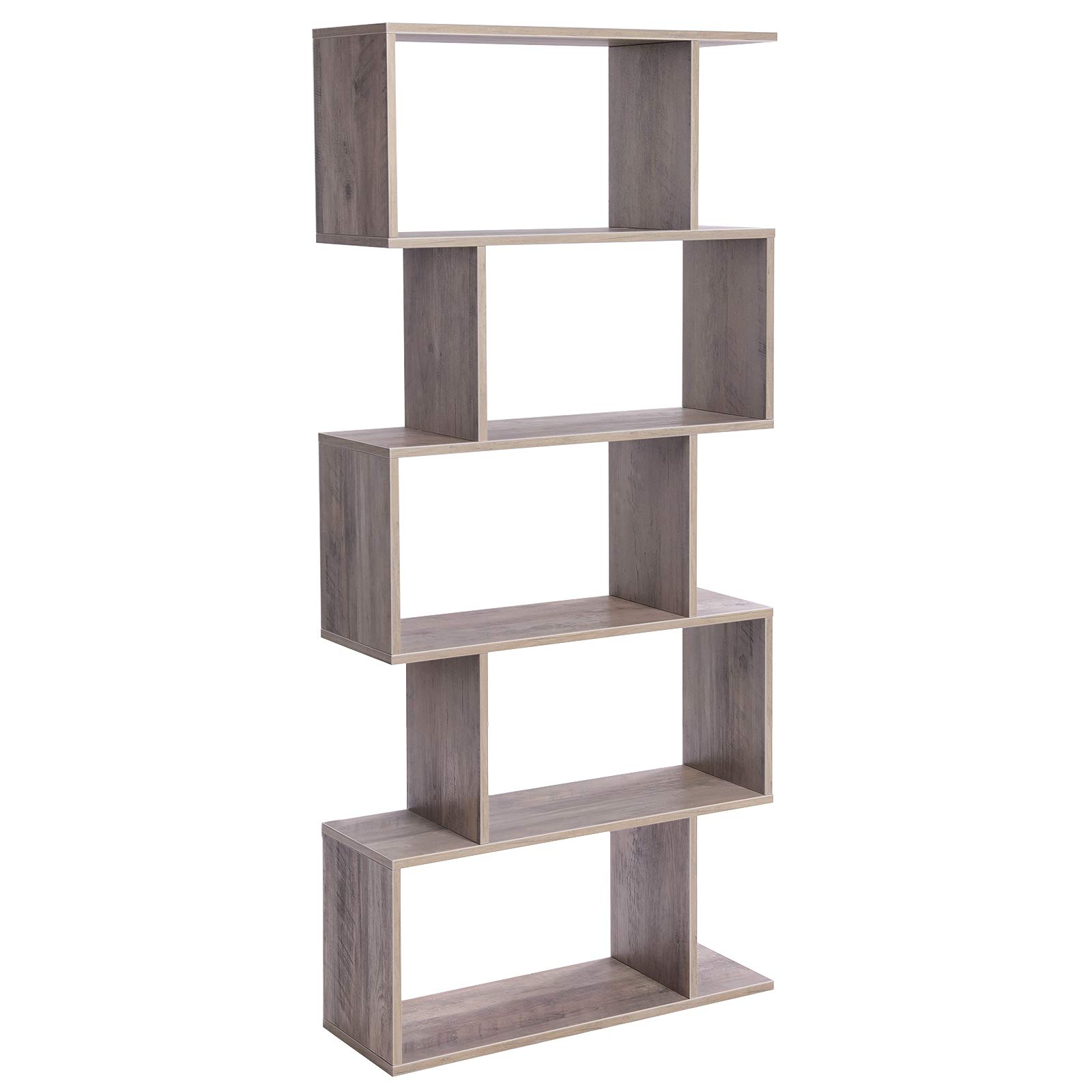
- Open storage gives books and display pieces visible shelf space.
- Each shelf supports up to 22 lb.
- Labeled parts and clear instructions are included for assembly.
Best Gift For: A history enthusiast who wants open shelf space for books and study materials at home.
Mr. Pen Aesthetic Magnetic Bookmarks, 12-Pack
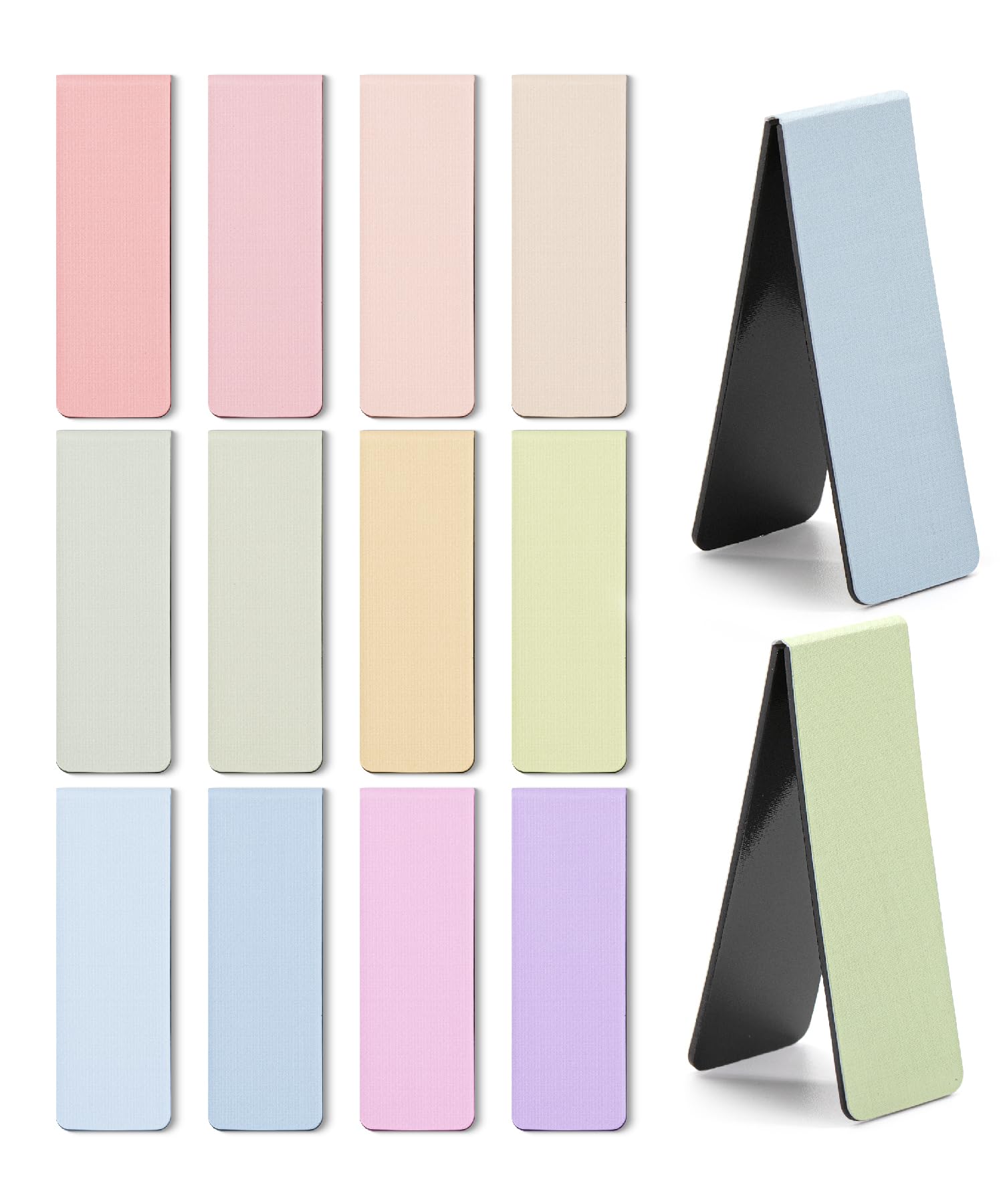
- The 12-pack includes a variety of soft pastel colors for color-coding reading materials.
- Magnetic closures help the bookmarks stay in place on a page.
- The slim design is made to avoid bulking up a book.
Best Gift For: A history reader, student, or researcher who wants to keep track of several books or sections.
Clever Fox Dotted Journal, A5
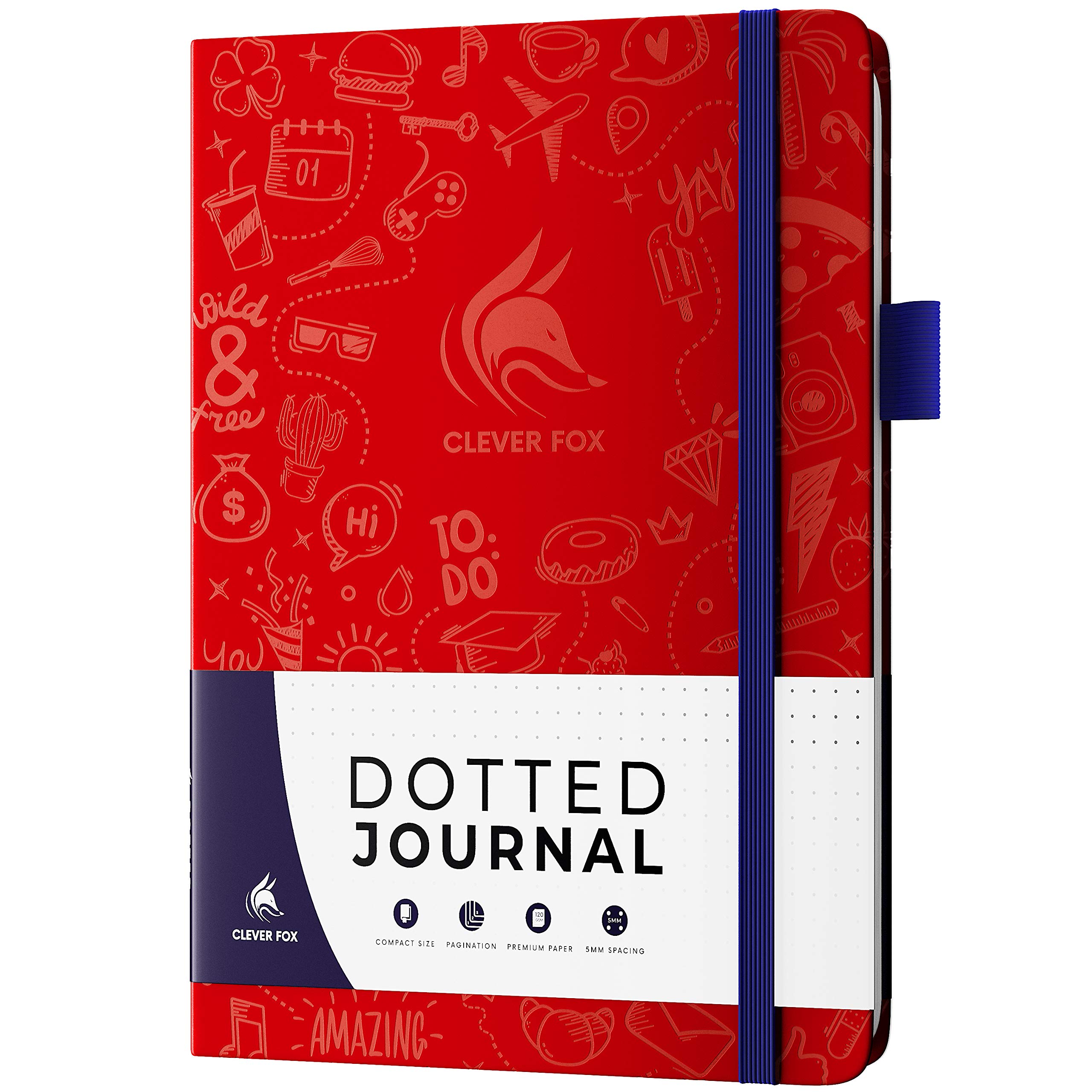
- The notebook has a durable eco-leather hardcover and lay-flat binding.
- It includes a pen loop, elastic band, ribbon bookmarks, a notes pocket, and stickers.
- Numbered dotted pages, a key, and an index page help organize entries.
Best Gift For: A history lover who enjoys organizing reading notes, sketches, or project plans in a notebook.
Cross Classic Century 23KT Gold Plated Ballpoint Pen

- The ballpoint pen has a slim profile and a metal body.
- It uses a swivel-action mechanism and is refillable.
- It arrives in a gift box for presentation.
Best Gift For: A history enthusiast who appreciates a polished writing gift for journaling or note-taking.
Kölbs Full-Support Reading Pillow, Tall
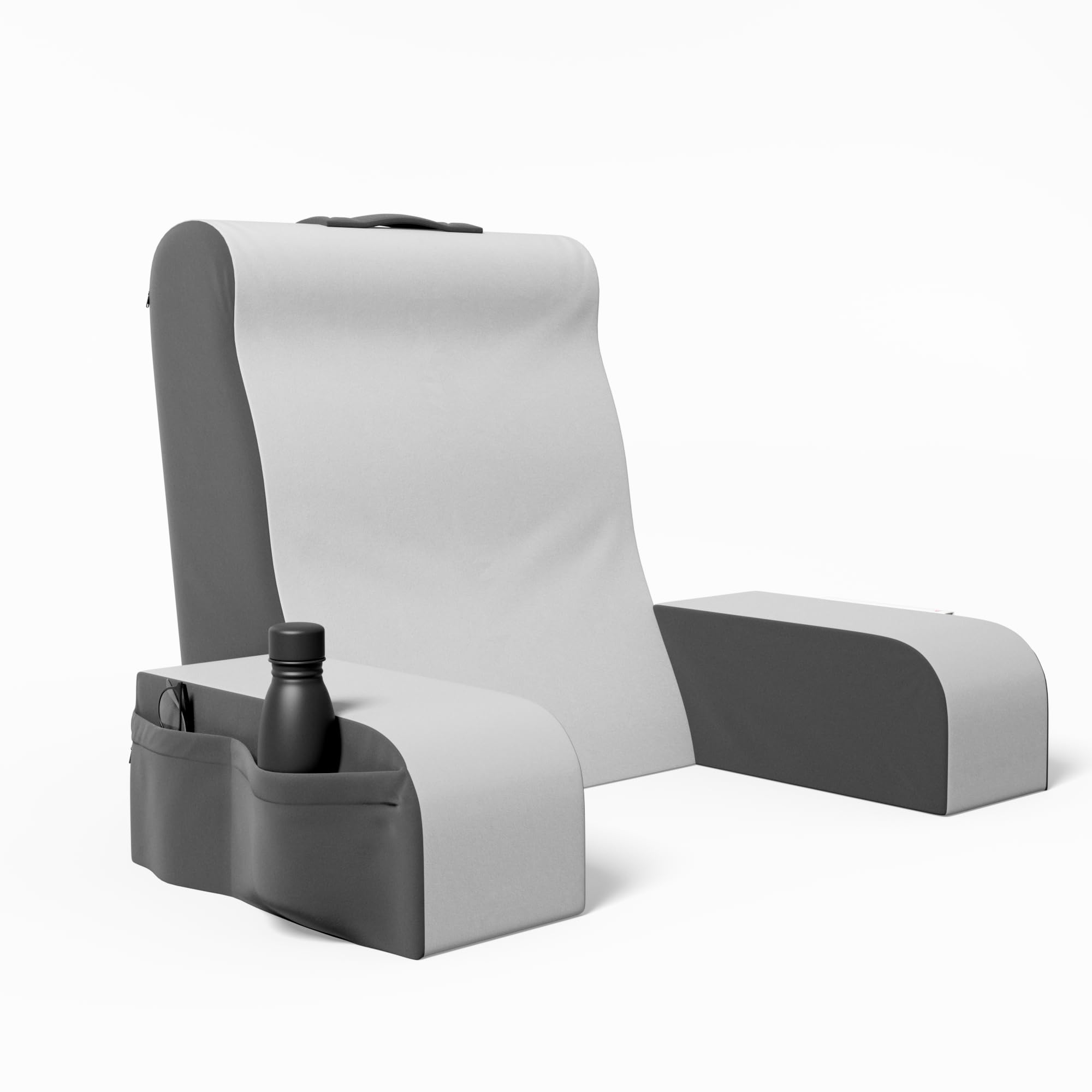
- Structured solid foam provides support with soft cushioning.
- Arm rests add comfort and stability while seated.
- The removable plush velvet cover can be washed.
Best Gift For: A history reader who likes sitting upright in bed or on a sofa with a book.
10X Rectangle Magnifying Lamp with Light
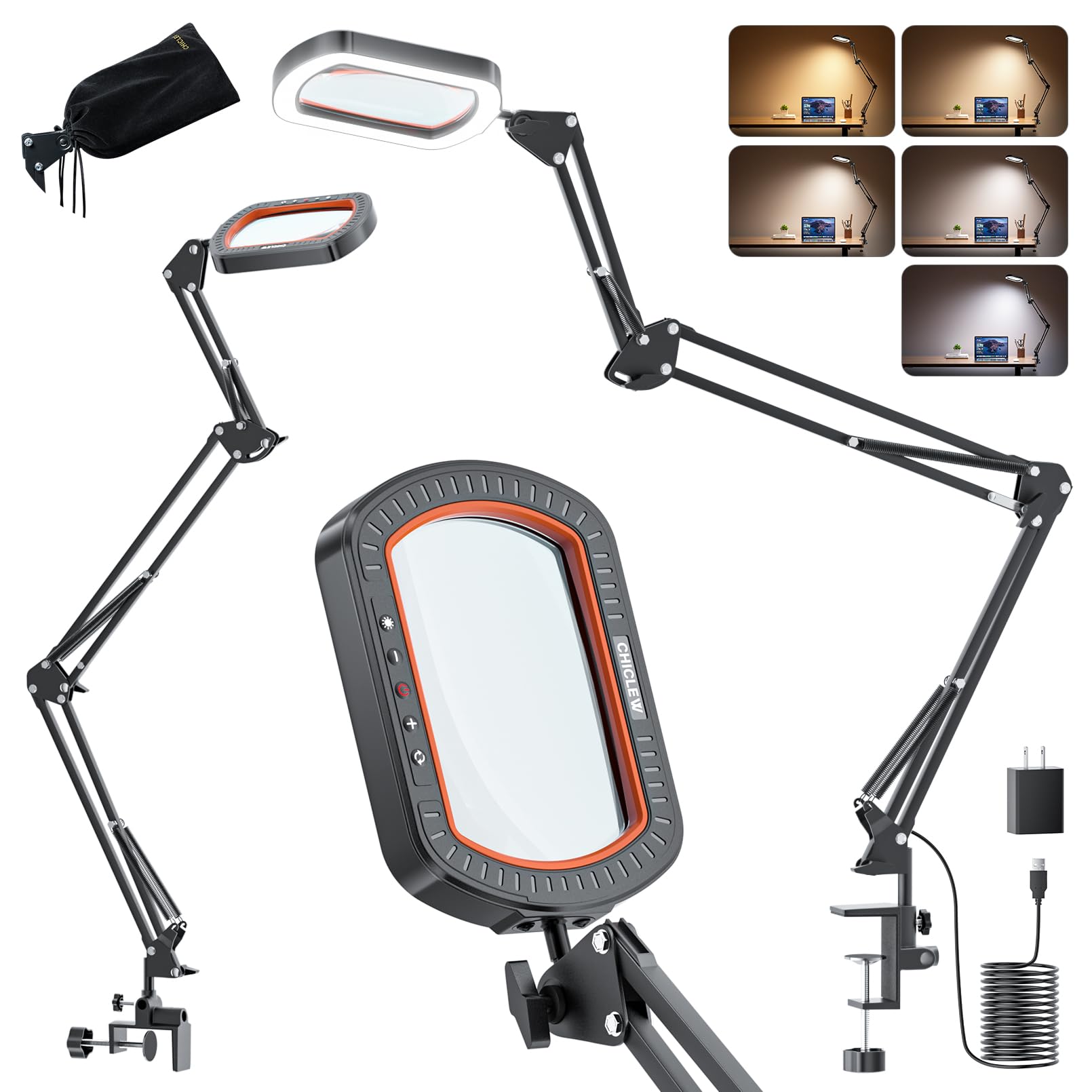
- The rectangular magnifier uses genuine glass lenses.
- Its three-arm design illuminates a wider area without shadows or flickering.
- The lamp has five color modes and smooth brightness control.
Best Gift For: A history lover who reads small print or works with detailed materials at a desk.
Mr. Pen Heavy-Duty Metal Bookends, Black, 16-Pack
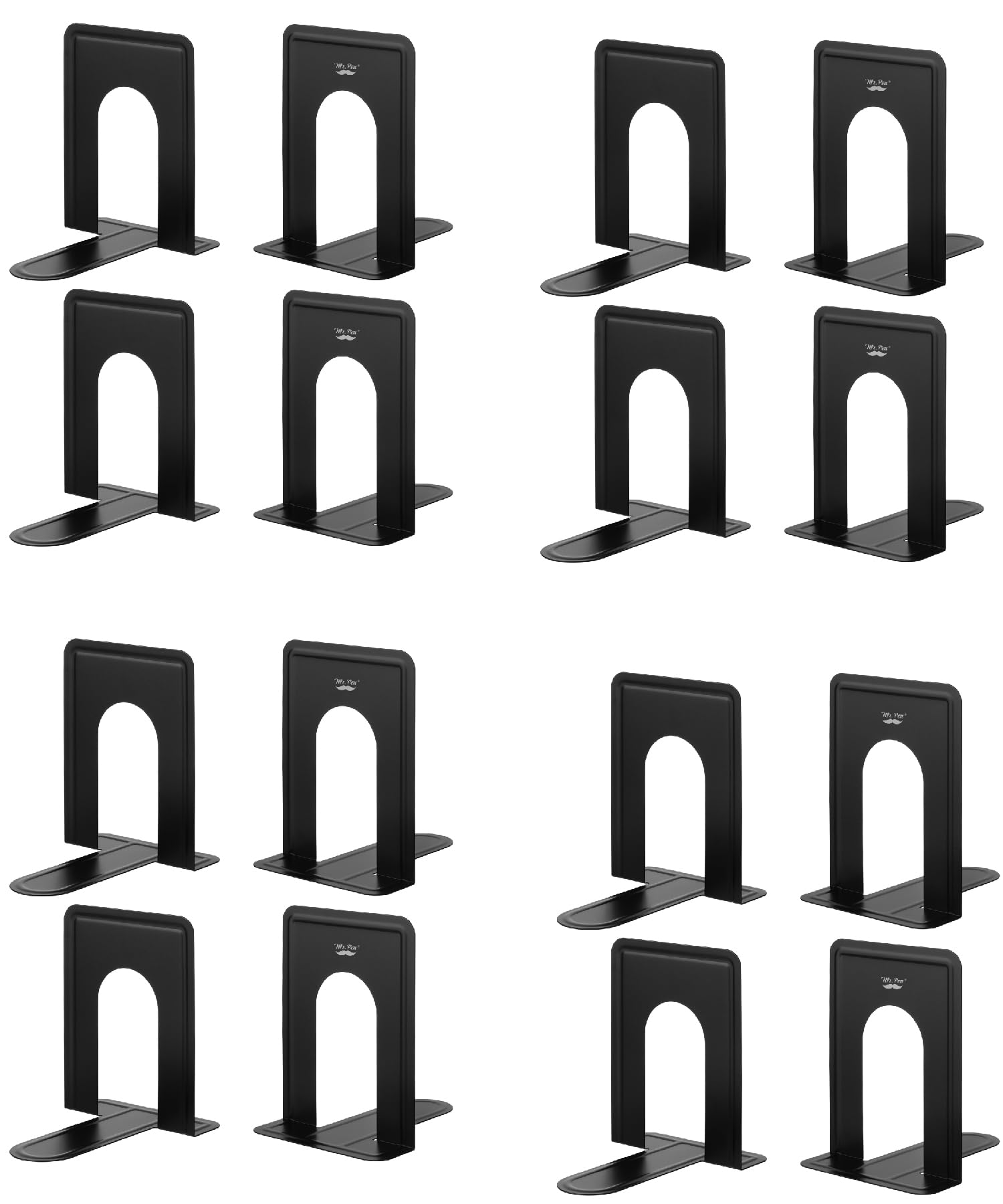
- The set includes 16 black metal bookends.
- Heavy-duty metal construction is designed to support books and other shelf items.
- They can help keep books, magazines, or binders upright and organized.
Best Gift For: A history reader who wants to keep books, files, or binders upright on a shelf.
Choosing gifts for history lovers
When choosing gifts for history lovers, start with how the person actually spends time with the subject. Someone who reads long biographies at night may appreciate a comfortable setup, while a researcher who keeps several books open may value ways to mark pages or organize notes.
Consider where their reading happens. A dedicated desk, a favorite sofa, and a bedside routine call for different kinds of comfort and organization.
Think about the space they have before choosing a large shelf or a desk accessory, and whether they prefer keeping their collection visible or tucked away.
For a reader who already owns plenty of books, an accessory can feel more personal than adding another volume without knowing their interests. A useful gift can support the habits that make history enjoyable, whether that means reading, note-taking, or keeping a collection orderly.
Balance budget and usefulness
For gifts for history lovers, think in terms of the role a present will play rather than its size. A small page marker or notebook can be a considerate choice for a casual occasion, while a larger comfort or storage item may suit someone whose reading routine is central to daily life.
A useful budget plan starts by deciding what the gift should solve. If the recipient already has a comfortable reading spot, a notebook or pen may be enough; if they are creating a study corner, a larger furnishing could be more appropriate.
Check current prices before deciding.
For a gift with add-ons or a particular size, compare the full setup with the recipient’s needs. Check current product details, dimensions, and compatibility where relevant.
Qualitative budget choices help keep the focus on a suitable present rather than spending more simply because an item is larger.
Personalize the reading experience
Personalizing gifts for history lovers can be as simple as connecting the item to a period or topic they care about. Pair a practical reading companion with a handwritten note recommending a book, museum visit, or historical place you think they might enjoy, without assuming they share every interest you do.
Presentation can make a useful object feel chosen with care. Wrap a notebook with a note about recording reading discoveries, or place a small accessory inside a card that explains why it reminded you of their reading habits.
Keep the message about them, rather than making claims about what they ought to study.
If you know their preferred authors, eras, or reading format, use that knowledge to guide the gesture. A gift that fits an established routine often feels more thoughtful than one chosen only for its theme.
When uncertain, choose something practical that leaves room for their own interests.
Make the gift easy to use
Think through what the recipient will need on the day they unwrap the gift. For a reading or desk item, check whether the setup includes the accessories they need and whether it suits the place they plan to use it.
Verify dimensions and compatibility before buying when either could affect fit.
For a shared home or smaller room, consider whether the gift has a clear place to live. A book organizer may need shelf space; a reading aid should suit the recipient’s routine and preferences.
A simple note explaining your thinking can help them see how the gift fits their interests.
If you are unsure about a larger or more specialized choice, ask someone close to the recipient about their space or habits. That small bit of context can prevent an awkward fit and help you choose an item they can enjoy without rearranging their routine.
Last-minute gift buying advice
When time is short, choose a gift that is straightforward to understand and use. Check the current delivery estimate for the recipient’s address before ordering, and allow room for delays if the date matters.
Avoid relying on assumptions about stock or arrival timing.
Read the current product details before checkout, especially if the recipient has specific preferences about size, setup, or compatibility. If a gift depends on a particular arrangement at home, confirm that it will fit.
A modest, well-matched choice can be more welcome than a rushed purchase with uncertain details.
A short personal note can complete a last-minute present, even when the item itself is practical. Mention a reading habit or interest that made you think of them, then let them decide how to use it.
Thoughtful timing and a clear reason for the gift make the gesture feel considered.