For kids who love science, a good gift can turn a question into something they can build, observe, or try for themselves.
These eight picks include hands-on discovery activities alongside useful supplies for drawing, organizing, and staying comfortable during study time.
8 Gift Ideas for Kids Who Love Science
Light-up Crystal Growing Kit for Kids
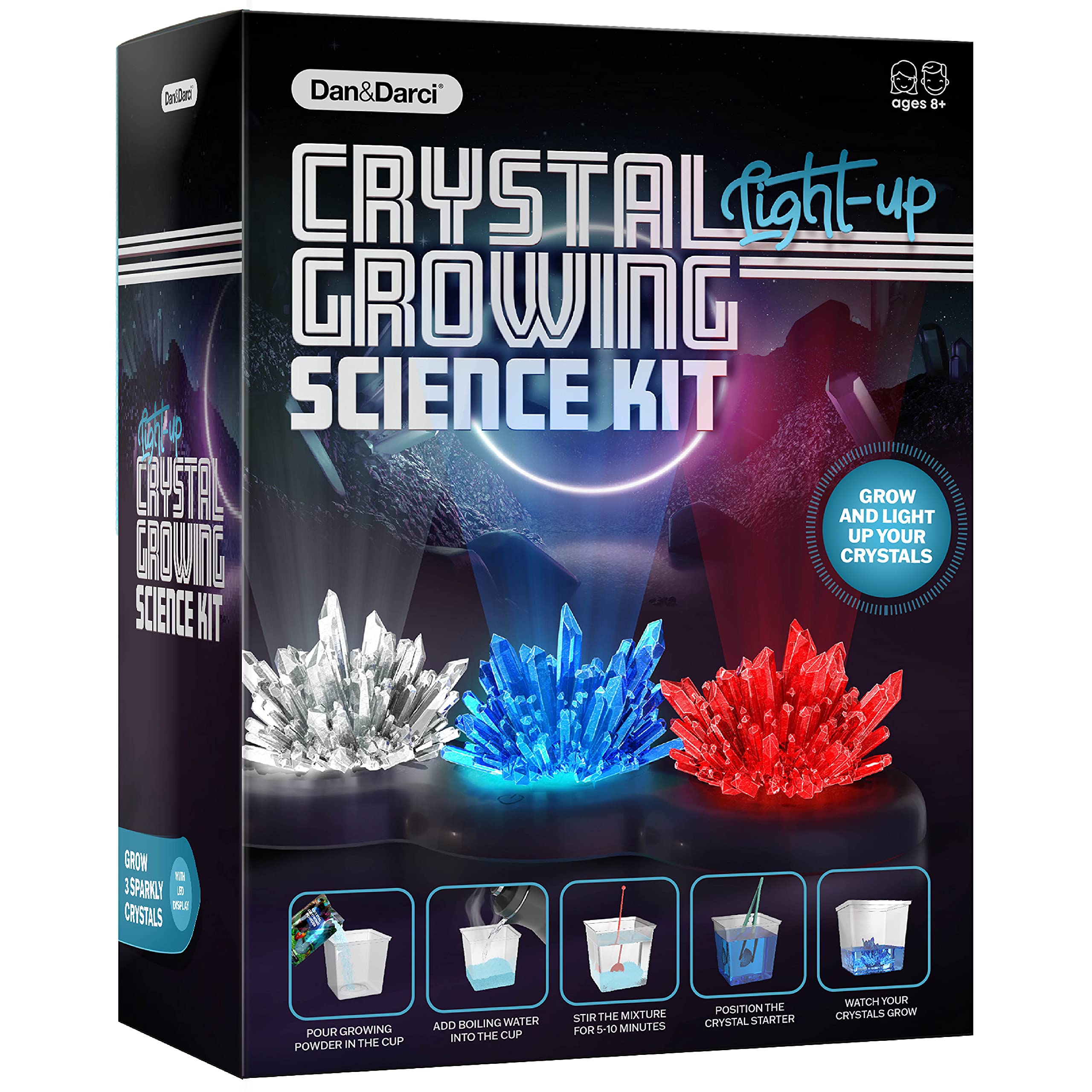
- Grow red, blue, and clear crystals with a hands-on activity.
- The included LED display lights up the finished crystals.
- An illustrated booklet explains how crystals are formed.
Best Gift For: A young science fan who enjoys watching a hands-on experiment unfold and displaying the result.

GeoSafari My First Microscope
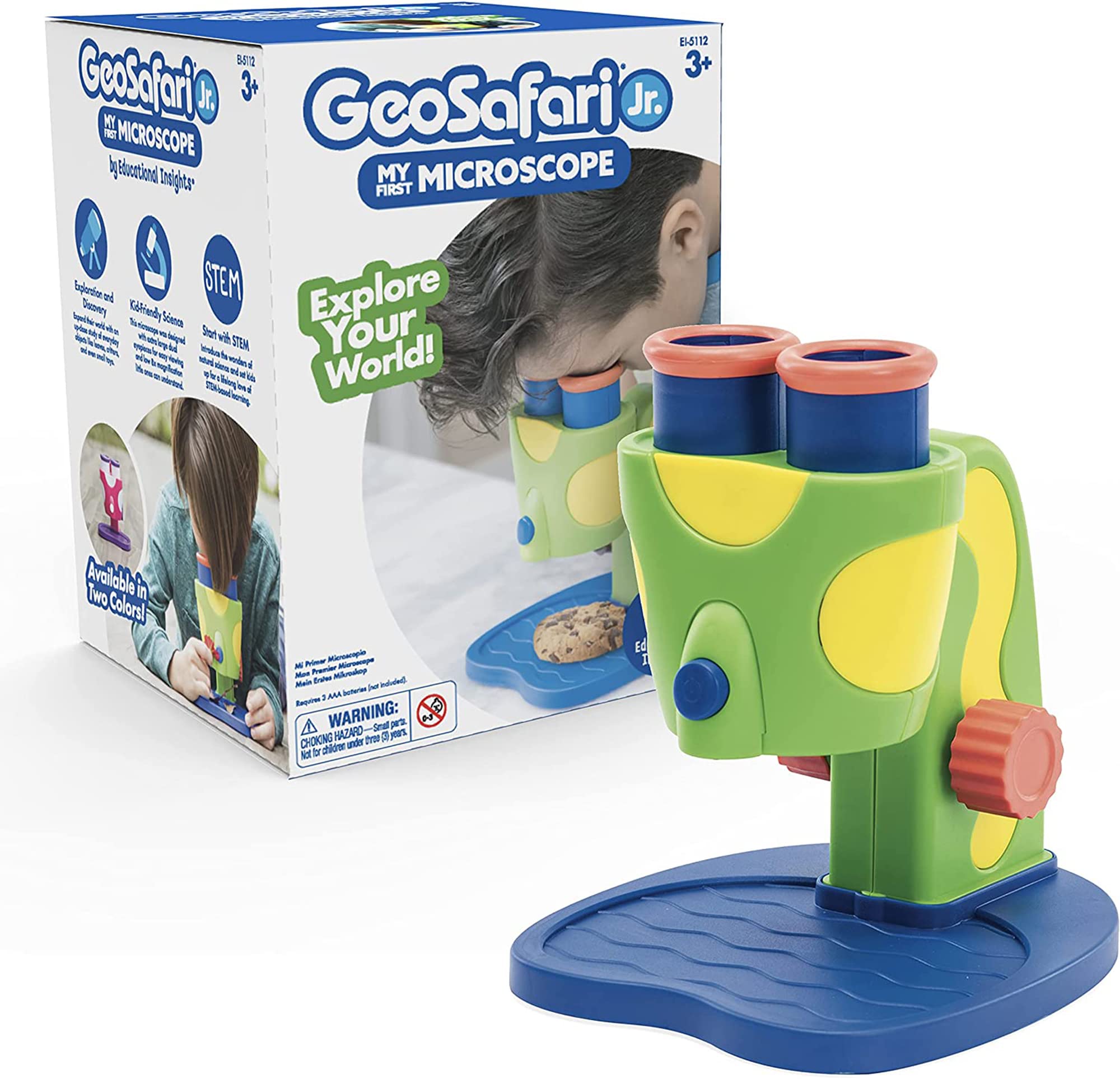
- Prepared slides give kids samples to explore.
- The overhead LED light illuminates the sample tray.
- Large eyepieces make it easier for young children to look through.
Best Gift For: A young learner ready to explore prepared slides and look more closely at the world around them.
SmartMax My First Dinosaurs Magnetic Building Set
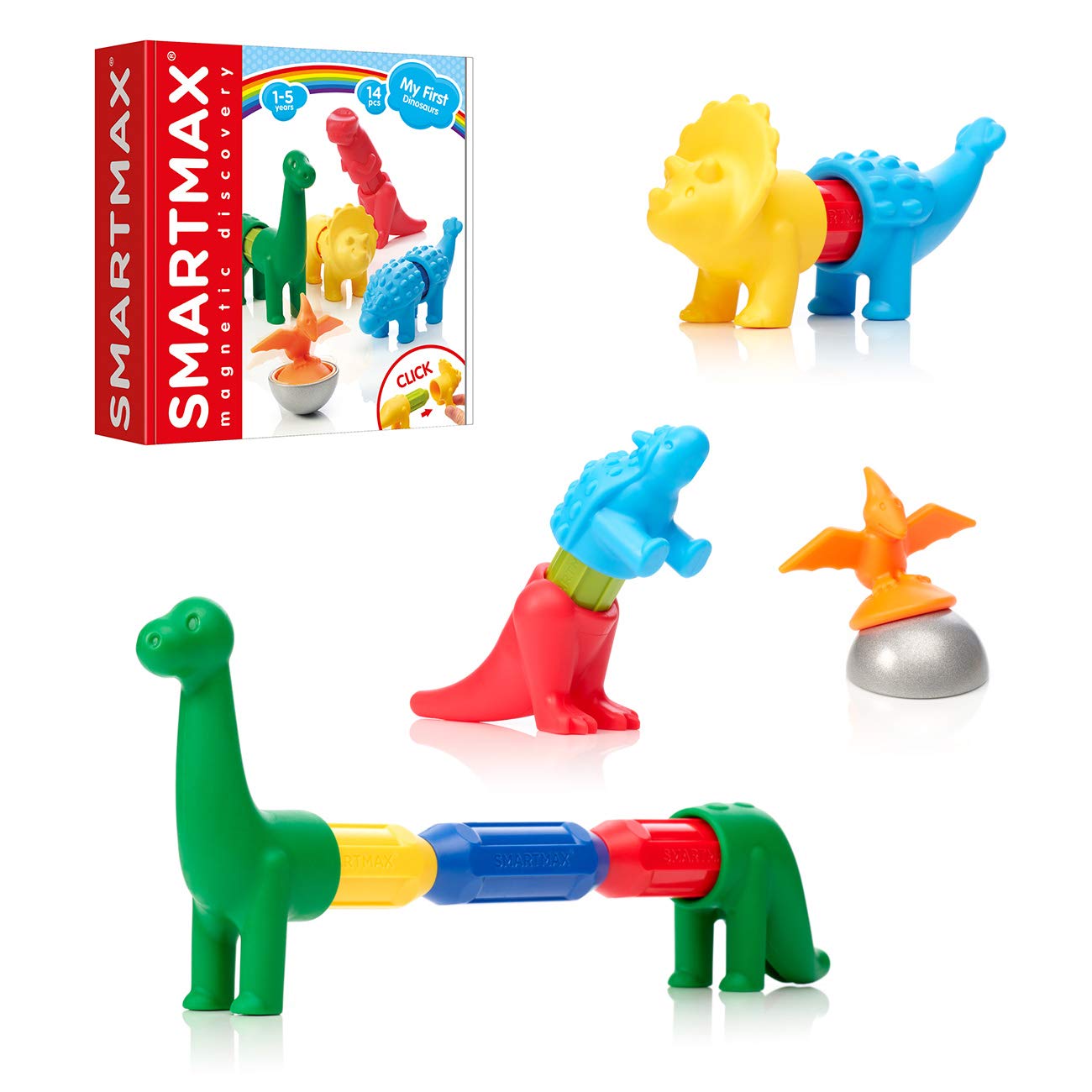
- Build dinosaurs or mix and match pieces into new creations.
- Connecting the pieces introduces early magnetism and problem-solving.
- The colorful pieces are designed for little hands.
Best Gift For: A young dinosaur fan who enjoys building, mixing pieces, and exploring how magnets connect.
Learning Resources 1-2-3 Build It Robot Factory
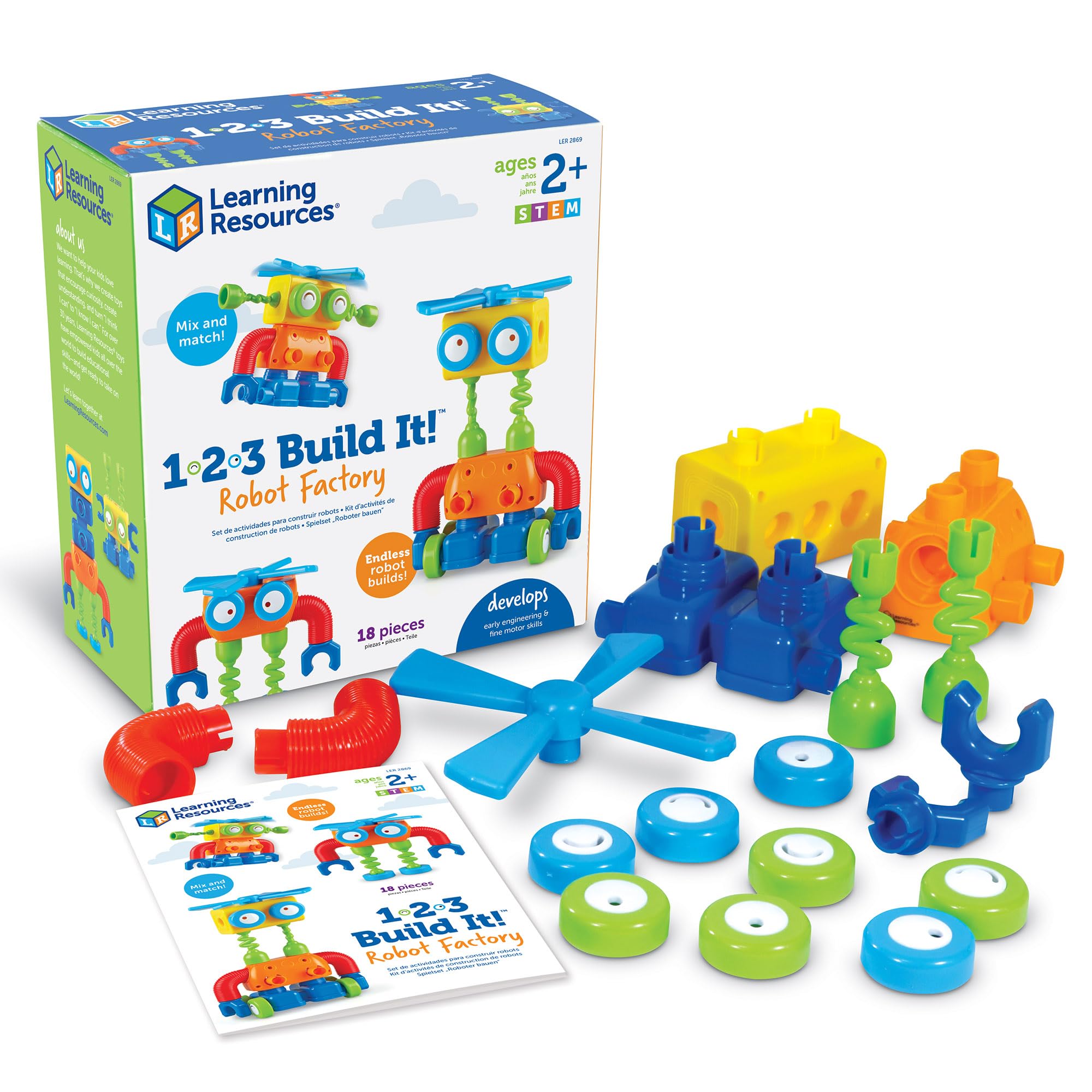
- Kids can craft their own robot creations.
- Building encourages early engineering and critical thinking.
- The pieces work with other sets in the same line.
Best Gift For: A young builder who likes making imaginative robot creations and practicing early engineering skills.
Minute Math Electronic Flash Card
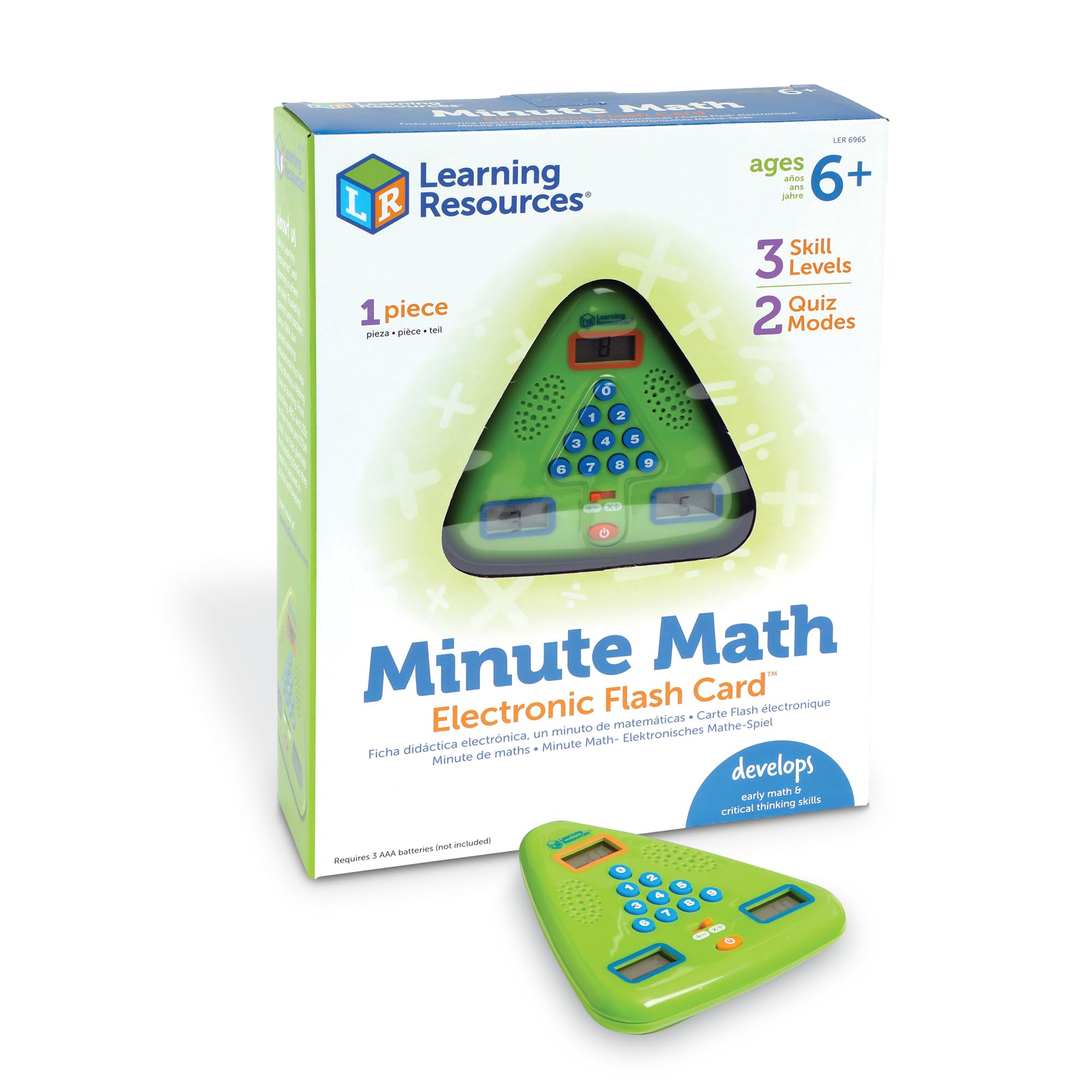
- Practice addition, subtraction, multiplication, and division.
- Timed challenges make practice feel like a quick game.
- A silent mode suits quiet practice in shared spaces.
Best Gift For: A student who enjoys short math challenges at home, in a classroom, or while waiting.
U.S. Art Supply 9"x12" Sketch Book, 2-Pack
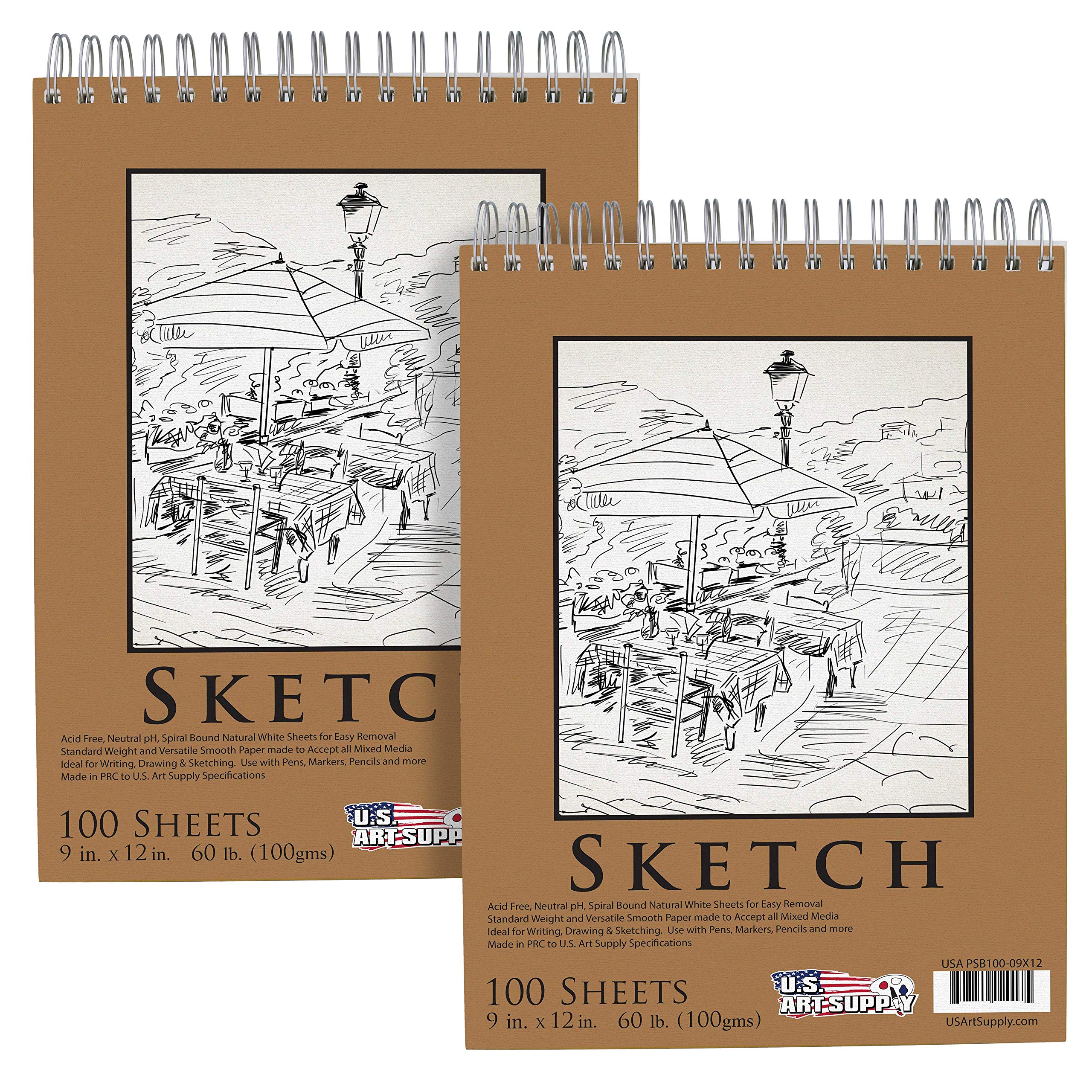
- The two sketch pads provide 200 sheets in total.
- Acid-free drawing paper suits many kinds of dry media.
- Top spiral binding makes pages easy to turn.
Best Gift For: A curious kid who likes drawing observations, keeping notes, or filling pages with ideas.
SKYDUE 360 Degree Rotating Desk Organizer
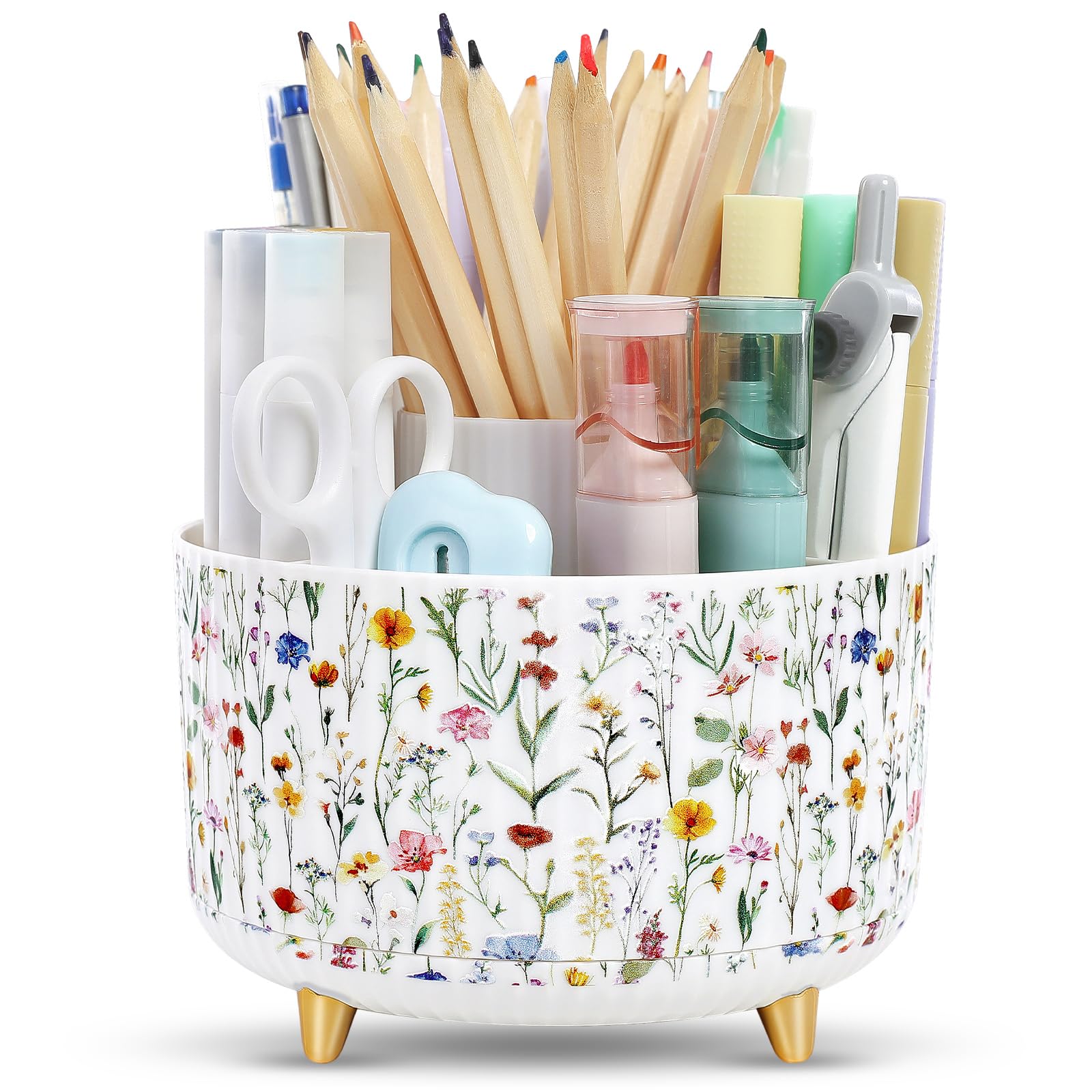
- Five compartments keep small supplies together while saving desktop space.
- The holder rotates to make writing tools easier to reach.
- It can organize office or art supplies.
Best Gift For: A student who would appreciate keeping pens, pencils, and small study supplies organized.
Gaiatop USB Desk Fan
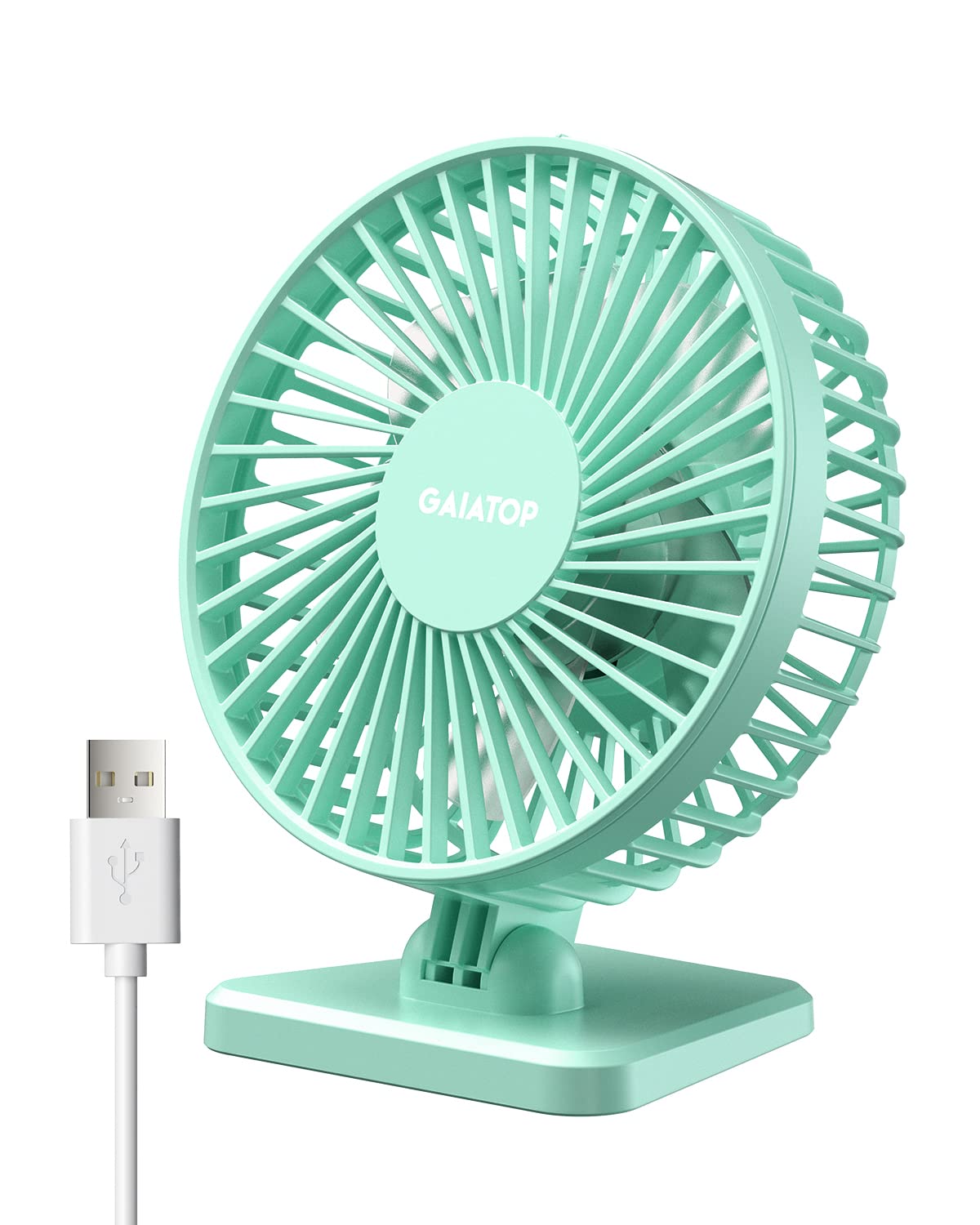
- Choose among three fan speeds.
- The fan head adjusts vertically to direct airflow.
- USB power works with compatible USB power sources.
Best Gift For: A student who wants a small fan for a desk, car, or travel setup.
Choosing Gifts for Kids Who Love Science
Start with how the child likes to explore. Some kids want to handle materials and watch a result take shape; others prefer looking closely, assembling pieces, or drawing what they notice.
A gift that matches their style is more likely to become part of their play and learning routine.
Age and adult involvement matter, too. Check the recommended age and instructions before choosing an experiment or building activity, and consider whether a grown-up will need to help set it up.
For a younger child, an inviting activity with accessible pieces may be easier to enjoy than a project that asks for long stretches of careful attention.
Think about where the gift will be used. A desk-friendly activity might suit a quiet afternoon at home, while supplies that support drawing or short practice sessions can fit into an existing study spot.
For gifts for kids who love science, a simple connection to their current questions can make the choice feel personal.
Balance the Budget With How It Will Be Used
Set a comfortable spending range before browsing and compare what each gift lets the child do. A kit with its core activity included may make a satisfying single present, while a useful everyday item can complement something they already own.
Check the actual price and package contents before deciding.
Consider whether there may be extra setup needs. For battery-powered or USB-powered items, check what is included and what power source the family already has.
For supplies, think about whether the child has a place to use and store them. These small checks help avoid surprises without turning the gift into a shopping list.
A modest present can still feel thoughtful when it suits the recipient. A compact activity for a curious younger child or a practical desk accessory for a student may be a better fit than stretching the budget for an elaborate gift they may not use.
Focus on usefulness, interest, and fit.
Personalize and Present a Science Gift
Add a note that connects the present to something the child has wondered about or made recently. You might invite them to observe, build, or draw something together, keeping the suggestion open so they can take the activity in their own direction.
A personal message can make even a practical gift feel chosen for them.
Presentation can set up an easy first use. Put a small sketch pad beside a pencil, or wrap a building activity with a card asking what they would like to create first.
Avoid promising a specific result from an experiment; the fun can come from trying, observing, and seeing what happens.
If the child already has related supplies, consider how the new gift will fit in. Check compatibility when combining sets, and ask a caregiver about space or existing materials when that would help.
These details make gifts for kids who love science feel considerate without assuming every child enjoys the same topic.
Make a Last-Minute Choice With Care
When time is short, narrow the options by age, interest, and where the child can use the gift. Read the current product details for contents and requirements, then check compatibility, dimensions, and delivery estimates before ordering.
Those practical checks are more useful than relying on a broad gift label.
If you are unsure about a specific science interest, choose a flexible activity or everyday item that supports learning time. A drawing surface, an organizer, or a simple building activity can be useful without needing to guess a child’s favorite branch of science.
Ask a parent or caregiver when a setup detail could affect the choice.
Keep the presentation simple if the package arrives close to the occasion. A handwritten card with a specific, warm invitation—such as exploring it together when there is time—can make the gift feel complete.
Leave room for the child to decide how they want to use it, and let curiosity lead.