A poet might welcome a fresh place to collect lines, a writing tool for everyday use, or a small reading companion. These six ideas span those habits, with options for planning, focused reading, and close work.
6 Gift Ideas for Poets and Word Lovers
Cross Edge Sonic Titanium Gel Ink Pen
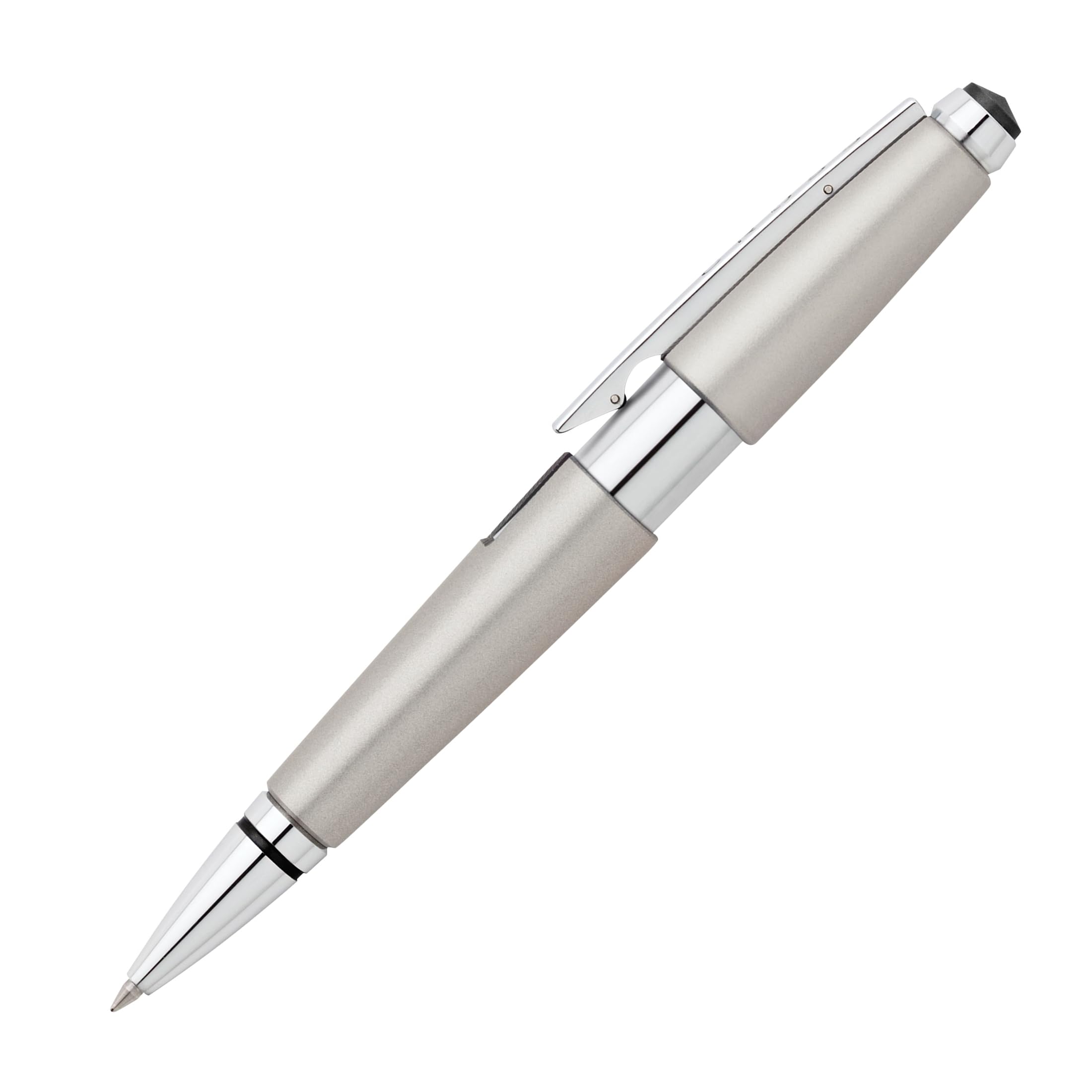
- A metal and resin body gives the pen a distinctive feel for a writing desk.
- The capless design slides open and snaps shut for easy access between notes.
- Its comfortable grip suits longer writing sessions.
Best Gift For: A poet who likes a substantial pen for journaling or drafting at a desk.

Clever Fox Dotted Journal, A5
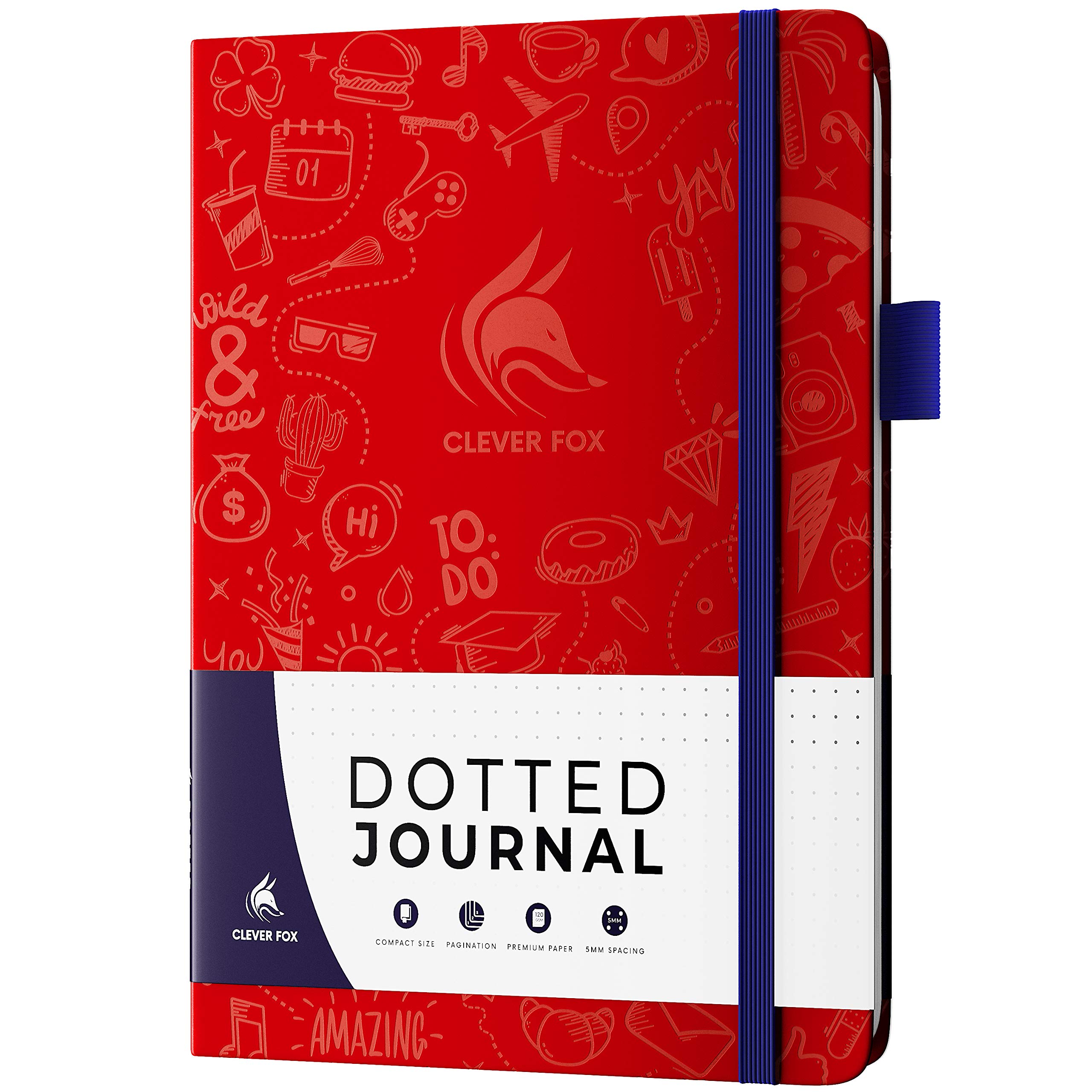
- The lay-flat binding supports comfortable writing across the open pages.
- A pen loop, elastic band, three ribbon bookmarks, and a pocket help keep writing tools and notes close.
- Numbered dotted pages include a key and index page for navigation.
Best Gift For: A poet who enjoys keeping drafts, fragments, or sketches together in one journal.
OTOTO Spaghetti Tale Bookmark
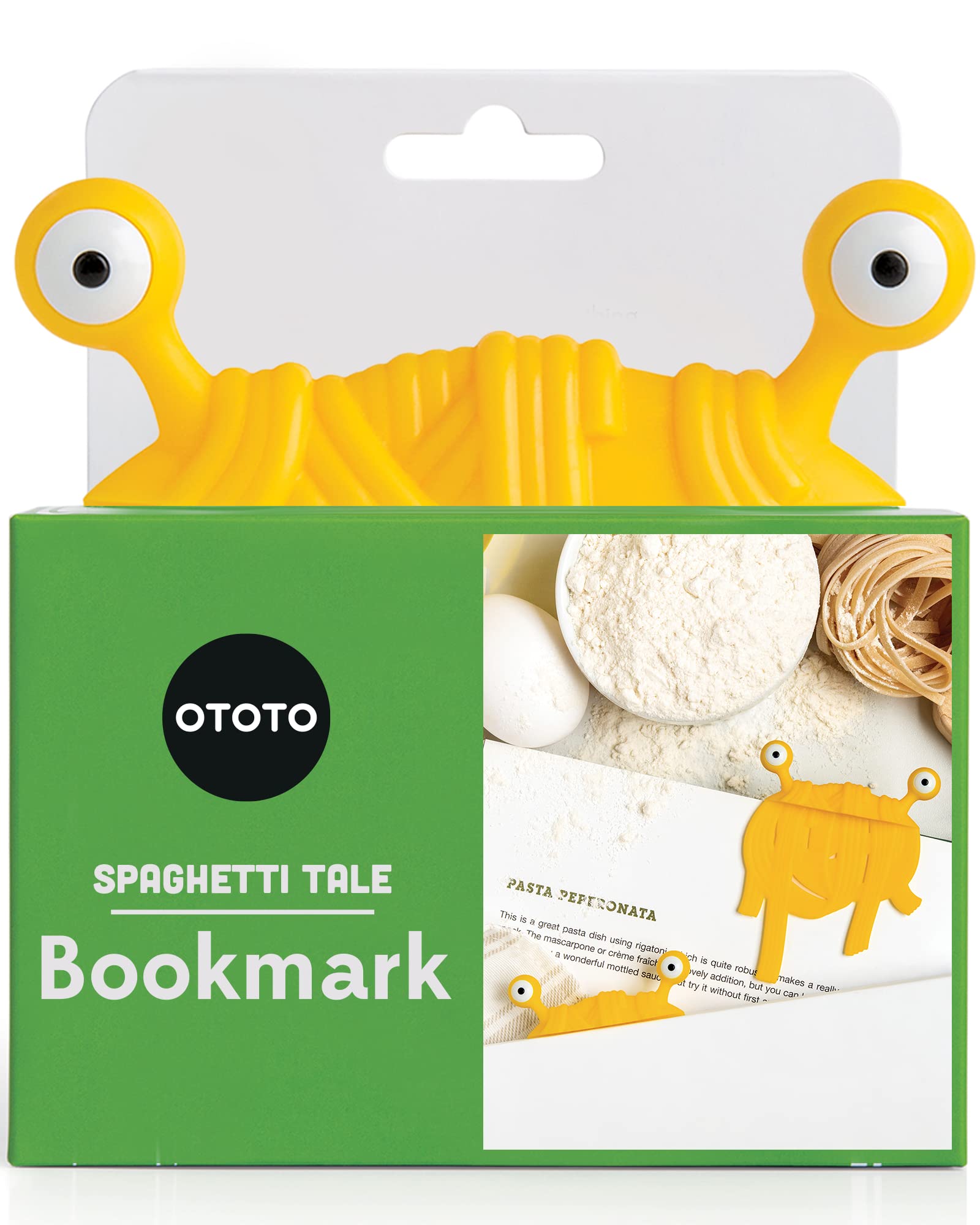
- Its striking yellow pasta monster design makes a lighthearted reading accessory.
- It doesn’t cover a large space on the page.
- Durable plastic makes it a playful alternative to improvised page markers.
Best Gift For: A reader or poet who would enjoy a quirky companion for books in progress.
Glocusent Rechargeable Neck Reading Light

- Choose from three color temperature modes, each with three brightness levels.
- Adjustable arms let the reader set a comfortable angle.
- A narrow beam is designed to focus light on the reading area.
Best Gift For: A poet who reads in bed or wants hands-free light for reading.
Clever Fox Planner PRO Light, Undated

- Undated pages let the owner begin using the planner at any time of year.
- Its layouts cover monthly, weekly, and daily planning.
- A quick-start guide and planning stickers are included.
Best Gift For: A poet who wants to make room for writing alongside monthly, weekly, and daily plans.
10X Rectangle Magnifying Lamp with Light
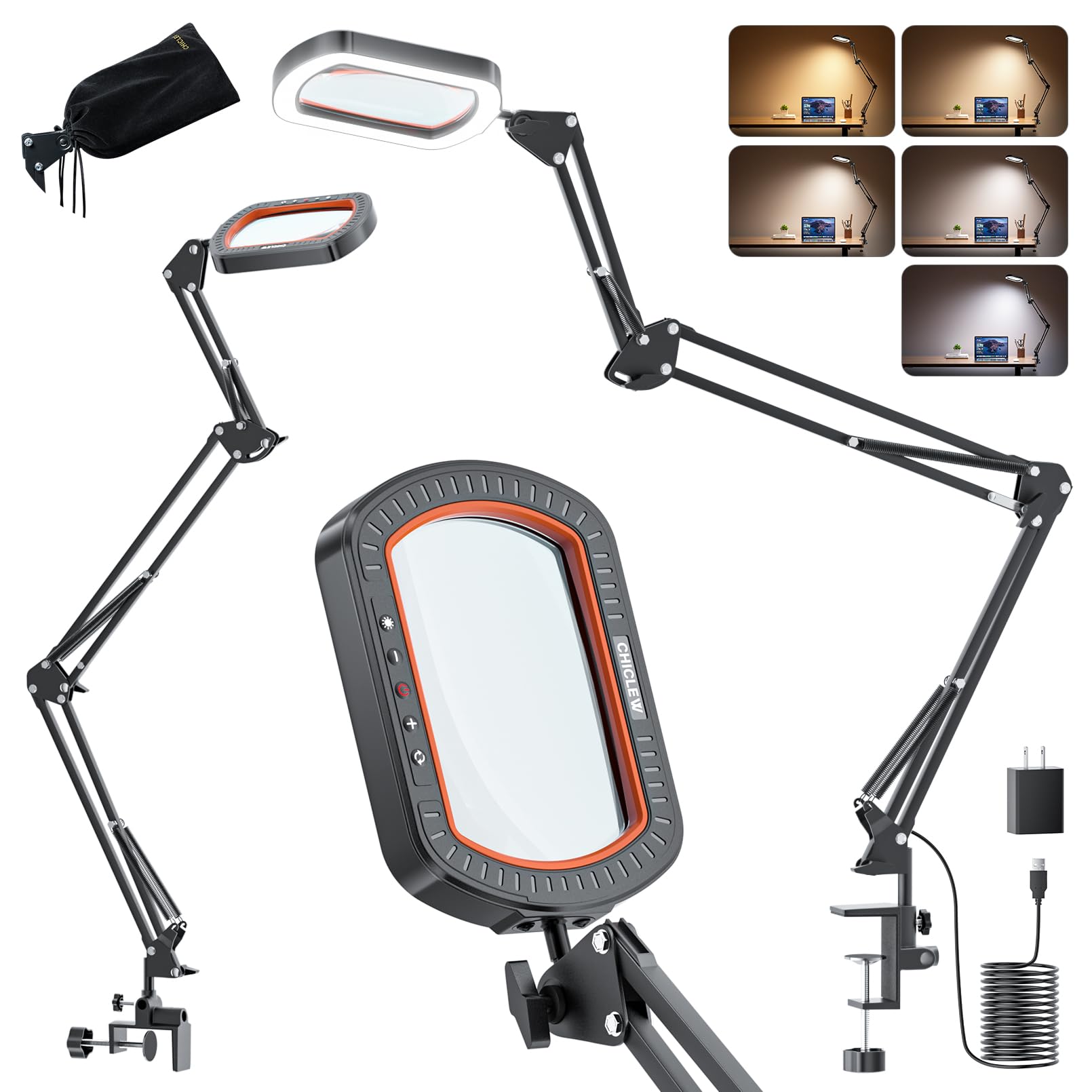
- A rectangular glass lens provides a broader viewing area for close work.
- Five color modes and smooth brightness control help tailor the illumination.
- A clamp and flexible arm allow positioning at a desk or table edge.
Best Gift For: A poet who reads small print or works with detailed paper projects at a desk.
1. Match gifts for poets to their daily habits
Choosing gifts for poets starts with noticing when writing happens. Someone who catches phrases on the move may value a compact journal and a pen that is easy to reach; a poet who settles in for long sessions may appreciate a more deliberate desk setup.
Think about whether their pages are mostly drafts, reading notes, sketches, or plans.
A small accessory can feel personal when it connects to a known routine. If they often read before bed, a hands-free light may suit that moment; if books are always nearby, a playful bookmark can accompany their current read.
Choose around what they already enjoy rather than assuming every poet wants the same tools.
When you are unsure, consider an item that leaves room for the recipient’s own process. A blank journal can hold fragments without prescribing a method, while a planner can support someone who likes structure.
The most considerate choice is the one that fits the way they make time for words.
2. Balance the budget with the occasion
Set a comfortable spending range before shopping, then decide whether you want one focal present or a small pairing. A lower-commitment accessory can make a warm thank-you on its own, while a more substantial writing or desk item may suit a birthday or milestone.
Price alone does not determine how closely a gift fits its recipient.
For a bundle, pair complementary habits instead of adding items just to make the package larger. A journal and pen work naturally together; a bookmark can accompany a favorite book; a reading light can go with a note about a quiet evening.
Check current prices and product details before deciding how to combine items.
If the poet already has favorite stationery, look for a useful change of format or a small reading companion. Conversely, a practical desk gift is more likely to be appreciated when the recipient has space and interest for it.
Keep the budget qualitative, and let the person’s routine guide the final choice.
3. Personalize gifts for poets with a note and presentation
A short handwritten message can make gifts for poets feel especially considered. Include a line about a poem, book, or writing habit you admire, or explain why the gift reminded you of them.
The note need not be poetic itself; a specific memory or sincere encouragement often says more than an elaborate flourish.
Presentation can suit the recipient without becoming a project. Wrap a journal with a ribbon and tuck in a card, or place a bookmark inside a book you know they want to read.
If giving a light or desk accessory, include a simple note suggesting the moment you imagined it being used, such as a calm reading hour.
For a group gift, invite each person to contribute one brief message or favorite line, with permission if quoting someone else’s writing. That creates a keepsake alongside the practical item.
Keep the wrapping easy to open and the message visible, especially if the present is being handed over during a busy gathering.
4. Choose a useful gift without overprescribing
Poets’ working styles differ: some like dated schedules, some prefer open pages, and others keep ideas in notebooks already. Before choosing a structured tool, consider whether the recipient enjoys tracking goals and appointments.
If you do not know, a more flexible option can be easier to welcome and adapt.
Think about the setting, too. A reader who shares a bedroom may prefer a focused light, while someone with limited desk space may not want a larger work accessory.
Check current dimensions and compatibility for anything that needs a particular surface, device, or writing setup. These quick checks help prevent an otherwise thoughtful gift from becoming inconvenient.
Avoid treating a creative hobby as a request for productivity. A planner may help a person who likes schedules, but it should not imply that their writing needs to become more efficient.
A notebook, reading aid, or small personal touch can communicate support without telling them how to use their time.
5. Last-minute buying advice for thoughtful choices
For a last-minute purchase, first confirm the exact version, color, and format you intend to give. Check current product details, compatibility, dimensions, and delivery estimates before placing an order.
Availability and arrival timing can change, so leave a backup plan if the gift is needed for a particular date.
A locally available book, card, or stationery item can complement a main gift if shipping timing is uncertain. You could also give a clear note describing the present you chose and follow with the item later.
That keeps the gesture thoughtful without making a promise about when a parcel will arrive.
Before wrapping, make sure any included pieces are present and the package is ready to use or easy to set up. Add a brief personal message and keep any receipt or exchange information discreetly available.
Practical preparation helps the recipient focus on the care behind the gift and enjoy it at their own pace.